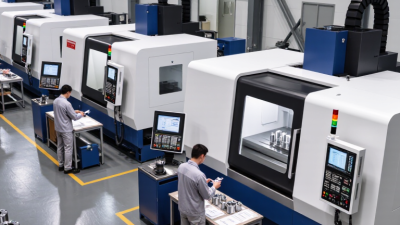
2026 Top Food Contract Manufacturing Companies?

Choosing the top food contract manufacturing companies for 2026 requires more than comparing factory size or website claims. This guide examines practical capabilities, including formulation support, pilot production, ingredient sourcing, packaging, and quality control. It focuses on manufacturers that can turn a tested recipe into consistent retail products.

Details matter. A clean production floor, traceable ingredient records, and responsive technical support often reveal more than polished marketing. We consider certifications, audit readiness, allergen controls, production flexibility, and experience with specific categories such as snacks, beverages, sauces, supplements, and frozen foods. We also examine minimum order quantities, lead times, equipment, and communication standards. These factors can strongly affect a brand’s launch schedule and operating costs.

The 2026 market will not have one perfect supplier for every company. A startup may need small pilot runs, while an established retailer may require automated lines and nationwide distribution. This comparison therefore treats food contract manufacturing as a strategic partnership, not a simple purchasing decision. Public information can change, and some capabilities require direct verification. That limitation deserves attention. Companies should request current certifications, sample products, facility details, and written service terms before signing an agreement. Site visits, quality discussions, and realistic production trials can expose gaps early. The strongest manufacturers usually combine technical expertise with dependable communication and measurable quality systems. Still, performance can vary by facility, product, and project size. A careful review remains necessary.
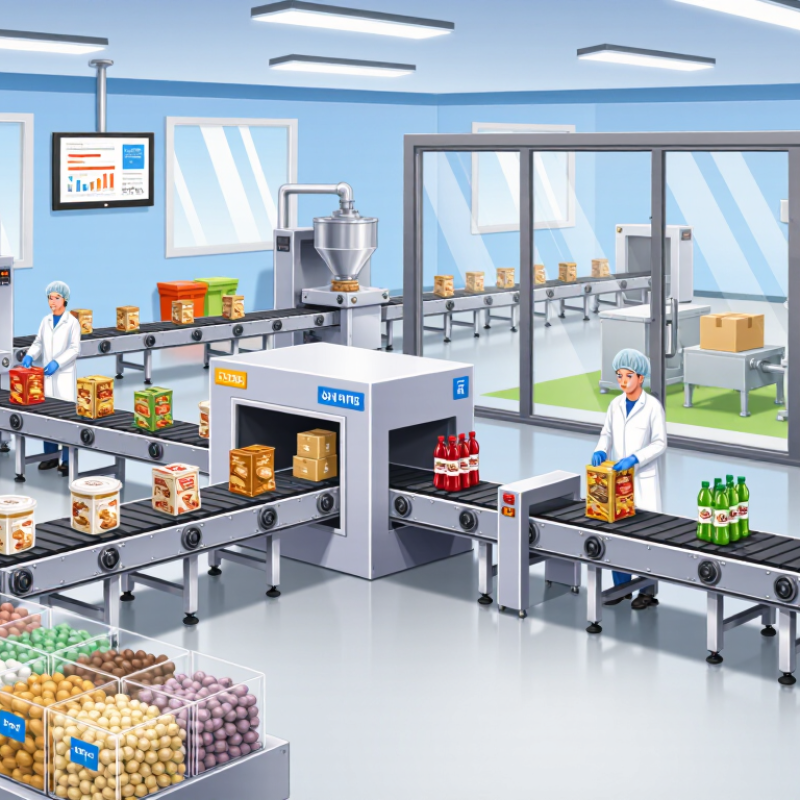
2026 Top Food Contract Manufacturing Companies?

What Food Contract Manufacturing Means in 2026

What Food Contract Manufacturing Means in 2026

Food contract manufacturing now means more than renting a production line. It combines formulation, sourcing, processing, packaging, testing, and traceability. According to Fortune Business Insights’ 2024 market report, the global food contract manufacturing market was valued at approximately USD 120 billion in 2023. The report also forecasts steady growth through 2032, driven by outsourcing and demand for faster product launches.

In 2026, capable partners must provide measurable control. A buyer may review allergen-segregated rooms, digital batch records, environmental monitoring, and mock-recall results. These details matter when one delayed ingredient can stop a full shift. The Global Food Safety Initiative continues to influence supplier expectations through recognized certification schemes. Certification helps, but it does not replace daily discipline.

The best manufacturing relationship is collaborative. Product developers should test viscosity, filling accuracy, shelf stability, and package performance under real factory conditions. PMMI’s 2024 packaging industry research highlights automation, labor efficiency, and flexible equipment as major investment priorities. Smaller production runs are becoming more practical, although changeovers still create waste and scheduling pressure. That problem deserves more honesty. A factory may offer impressive technology yet struggle with communication, forecasting, or small-batch attention. Buyers should examine corrective-action records, service-level data, and site-specific capacity before signing. A polished presentation is not evidence.
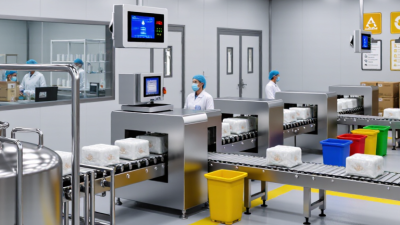

2026 Top Food Contract Manufacturing Companies? — What Food Contract Manufacturing Means in 2026

Food contract manufacturing enables brands to outsource formulation, processing, packaging, and compliance. Allergen-control requirements are a key factor when evaluating manufacturing partners across global markets.

The chart compares the number of mandatory allergen categories that food manufacturers must manage or declare in selected markets. Counts are based on current regulatory lists from the U.S. FDA, the European Commission, the Canadian Food Inspection Agency, and Food Standards Australia New Zealand.

How the Leading Companies Are Evaluated

Leading food contract manufacturers should be evaluated through evidence, not polished presentations. Grand View Research projects the global food contract manufacturing market to grow at about 9.6% annually through 2030. That growth increases capacity, but it also raises quality risks. Review audited food-safety records, recall history, allergen controls, and corrective-action speed. Ask to see production-floor evidence, such as labeled allergen zones, calibrated thermometers, and batch records.

Operational consistency matters just as much. The 2023 ISO Survey recorded more than 1.5 million ISO 9001 certificates worldwide, yet certification alone cannot prove strong food performance. Evaluate yield loss, on-time delivery, complaint rates, and change-control discipline. A reliable partner should explain how it handles a late ingredient, a failed test, or a sudden forecast change. Briefly.

Traceability deserves close attention. The FDA Food Traceability Rule emphasizes documented critical tracking events and faster access to supply-chain records. Request a mock trace exercise and measure the response time. The result should identify affected lots, ingredients, operators, and shipment destinations.

Site visits remain valuable because spreadsheets can hide practical weaknesses. I have seen impressive systems fail when temporary staff lacked clear line instructions. Evaluation should therefore include training observations, sanitation changeovers, and realistic production trials. Cost still matters, but the lowest quotation may reflect missing controls rather than genuine efficiency.

Top Food Contract Manufacturing Companies in 2026

Top Food Contract Manufacturing Companies in 2026

Top food contract manufacturing companies in 2026 will compete through reliability, flexibility, and transparent production systems. Strong partners support product development, pilot batches, ingredient sourcing, processing, packaging, and distribution preparation. Their facilities should demonstrate practical experience with allergen controls, sanitation, traceability, and documented quality checks. Certifications matter, but daily discipline matters more.

The best manufacturers can scale a recipe without damaging its texture, flavor, or shelf stability. They also explain minimum order quantities, lead times, testing requirements, and production risks clearly. A factory visit can reveal useful details, such as clean line transitions, organized storage, and accurate batch records. No partner is perfect. Even experienced teams may misjudge demand, packaging performance, or early production costs. Honest communication helps correct these problems before they become expensive.

Tips: Request samples from a production-scale run, not only laboratory trials. Review recent audit findings and corrective actions. Ask how rejected batches are handled and recorded. Confirm ownership of formulas, testing data, and packaging specifications before signing. Compare complete costs, including setup charges, warehousing, testing, and freight. A cheaper proposal may create slower launches or inconsistent quality later. Also, speak with the technical team, not only the sales representative. Their answers often show how seriously they manage real manufacturing challenges.

2026 Top Food Contract Manufacturing Companies? - Top Food Contract Manufacturing Companies in 2026

Rank Provider Profile Primary Product Categories Manufacturing Formats Food-Safety Certification Framework Typical Production Scale Packaging Capability Geographic Service Coverage Best-Fit Use Case
1 Provider Profile A Dry foods, cereals, nutrition mixes, powdered beverages Blending, milling, dry mixing, agglomeration GFSI-recognized systems such as BRCGS, SQF, or FSSC 22000; site verification required Pilot batches through high-volume commercial production Pouches, sachets, jars, tubs, cartons, bulk bags North America with export support Shelf-stable powdered products
2 Provider Profile B Nutrition bars, granola, clusters, snack products Slab forming, extrusion, baking, enrobing, cutting HACCP-based preventive controls; certifications vary by facility Small commercial runs to large retail programs Flow wrap, pillow packs, cartons, display-ready cases United States and Canada Retail and functional snack launches
3 Provider Profile C Sauces, dressings, marinades, condiments Batch cooking, hot-fill, cold-fill, emulsification HACCP, allergen-control programs, traceability, environmental monitoring Pilot-scale development to multi-million-unit programs Glass, plastic, squeeze bottles, tubs, pouches North America and selected international markets Ambient and refrigerated sauces
4 Provider Profile D Frozen meals, prepared foods, protein-based dishes Cooking, portioning, blast freezing, assembly HACCP, preventive controls, cold-chain monitoring, allergen management Regional foodservice volumes to national retail supply Trays, bowls, cartons, film-sealed containers Primarily North American cold-chain networks Frozen retail and foodservice meals
5 Provider Profile E Bakery items, cookies, crackers, baked snacks Mixing, depositing, baking, cooling, decorating GMP, HACCP, allergen segregation, metal detection, finished-product testing Seasonal production through continuous high-volume lines Flow wrap, trays, cartons, resealable bags United States, Canada, and export-capable operations Branded and private-label baked goods
6 Provider Profile F Confectionery, chocolate products, coated snacks Tempering, molding, coating, depositing, cooling GFSI-aligned food-safety programs; temperature and humidity controls Limited-edition runs to year-round retail production Foil, flow wrap, boxes, bags, gift formats North America and international distribution support Premium and seasonal confectionery
7 Provider Profile G Beverages, concentrates, functional drinks Blending, pasteurization, hot-fill, aseptic or retort processing HACCP, process validation, water-quality controls, laboratory testing Pilot beverage development to high-speed filling Cans, bottles, cartons, pouches, bag-in-box Regional, national, and export-oriented supply chains Shelf-stable and refrigerated beverages
8 Provider Profile H Nutraceutical foods, vitamins, gummies, capsules, functional powders Blending, encapsulation, tableting, gummy depositing, powder filling cGMP, HACCP, identity testing, potency testing, batch traceability Small-batch innovation through established e-commerce volumes Bottles, blister packs, sachets, jars, stick packs North America with international compliance support Functional and wellness product launches

Note: Certification status, production capacity, minimum order quantities, and export eligibility are facility-specific and should be confirmed through current audit certificates, technical specifications, and commercial quotations.

Services, Technologies, and Product Categories

2026 Top Food Contract Manufacturing Companies: Services, Technologies, and Product Categories

Food contract manufacturers now offer more than mixing, filling, and packaging. Their services may include recipe development, pilot testing, sourcing, quality control, and regulatory documentation. A capable partner can scale a sauce from kitchen trials to automated production without losing texture. Advanced facilities use high-shear mixers, aseptic filling lines, retort systems, and rapid allergen-changeover procedures. These technologies support sauces, ready meals, beverages, snacks, supplements, frozen foods, and refrigerated products.

Tips: Ask for batch records, testing standards, and clear minimum order quantities. Visit the production site when possible. Observe hygiene zones, ingredient storage, and line-cleaning practices. Request samples from a pilot run, not only polished presentations. Small details matter.

Product category fit should guide the selection. A beverage specialist may understand carbonation, sediment control, and hot-fill stability better than a general facility. A frozen-food producer needs strong temperature control and packaging that survives distribution. Shelf-life testing should reflect real storage conditions, including temperature changes during transport. Certifications are useful, but they do not replace detailed audits. No facility is perfect. Even experienced manufacturers can underestimate lead times, packaging delays, or formula changes. A written escalation process can prevent a minor issue from becoming a costly recall.

Quality, Compliance, and Supply Chain Standards

For 2026, food contract manufacturing will be judged beyond price and capacity. Quality systems must control each step, from approved suppliers to final pallet release. The World Health Organization estimates that 600 million people become ill from unsafe food annually. Its report also links foodborne disease to about 420,000 deaths each year. This makes preventive controls essential. Strong manufacturers use validated sanitation, allergen segregation, environmental monitoring, and documented corrective actions. The GFSI Benchmarking Requirements, Version 2024, also reinforces risk-based certification, traceability, and continual improvement. A certificate helps, but it cannot replace daily discipline.

Supply chain reliability needs equal attention. The UNEP Food Waste Index Report 2024 estimated 1.05 billion tonnes of food waste in 2022. Poor forecasting, weak temperature control, and slow release decisions contribute to avoidable losses. A dependable partner should provide lot-level traceability, calibrated sensors, backup suppliers, and tested recall procedures. In practice, one missing handoff record can weaken an otherwise excellent audit. Perfect dashboards are not proof of perfect operations. That uncomfortable gap deserves review.

Tips: Request recent audit findings, not only certificates. Ask for mock-recall timing and evidence. Check temperature logs across receiving, storage, and dispatch. Review supplier approval records and change-control procedures. Test three consecutive production lots before scaling. No checklist catches every failure. Regular site visits still matter.