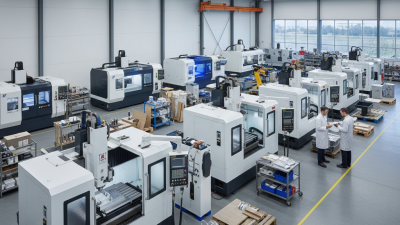
2026 Best CNC Contract Manufacturing Services to Consider?
In the evolving world of CNC contract manufacturing, choices abound. Companies looking to optimize production must carefully evaluate their partners. Scott Williams, a leading expert in the industry, once noted, "Choosing the right CNC contract manufacturer can make or break your project."
2026 brings exciting opportunities yet unique challenges. The landscape is populated with numerous providers, each claiming to offer the best solutions. Factors such as precision, speed, and materials used play critical roles. Companies must align their needs with a manufacturer’s capabilities, ensuring they choose wisely.
It's easy to overlook essential details. For instance, quality control processes can vary greatly. Some manufacturers may lack the rigorous standards needed for specific industries. Understanding these nuances is vital for a successful partnership. In this competitive market, vigilance and research can lead to fruitful collaborations that elevate production efficiency and success.
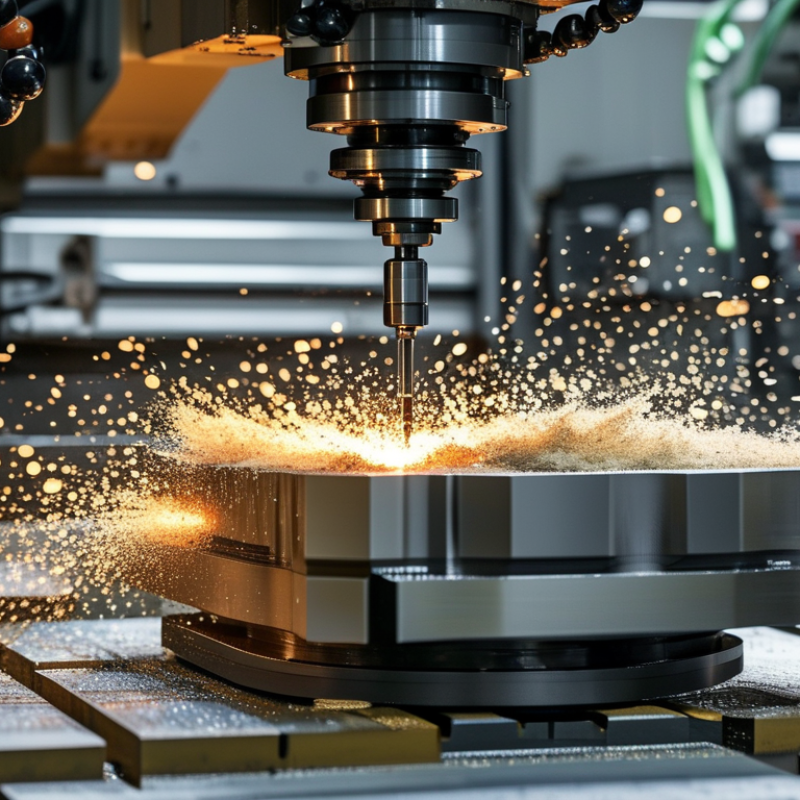
Overview of CNC Contract Manufacturing Services
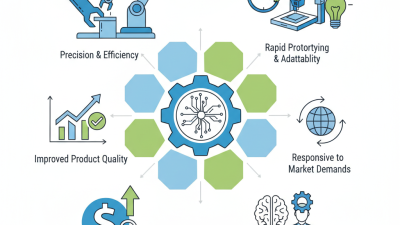
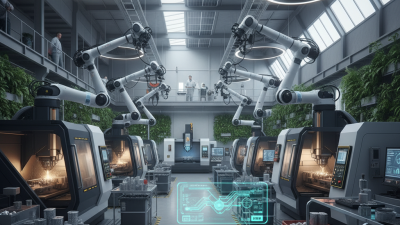
CNC contract manufacturing services provide precision and efficiency in creating complex components. Many industries rely on these services for producing parts that require exact specifications. These services combine advanced technology with skilled craftsmanship to achieve high-quality results.
When selecting a CNC contract manufacturer, consider their technical capabilities and experience. A manufacturer’s expertise in machining various materials is crucial. Some manufacturers struggle with intricate designs or specific material types. It’s essential to assess their portfolio and previous projects. Effective communication is also vital. Misunderstandings can lead to costly errors.
The ability to scale production is another factor. Some companies may not handle large orders efficiently. This can result in delays or compromised quality. Ensuring that your partner can meet your production needs is key. The right CNC contract manufacturer should not only produce high-quality parts but also adapt to changing demands.
Key Features to Look for in a CNC Manufacturing Partner
When searching for a CNC manufacturing partner, consider their expertise in handling different materials. A capable partner should work well with metals, plastics, and composites. It’s crucial to evaluate the variety in their portfolio. Diverse experience often leads to innovative solutions for complex projects.
Quality assurance must be a priority. Look for partners with rigorous testing processes. Consistent quality control measures ensure precision in parts. Ask potential partners about their certifications. This reflects their commitment to maintaining industry standards. Even minor discrepancies can lead to significant setbacks, so find a partner who understands this.
Communication plays a key role in the manufacturing process. A reliable partner should offer clear updates and be responsive to inquiries. Delays often stem from poor communication. Make sure they provide a point of contact throughout your project. Transparency in pricing is another consideration. Hidden fees can derail budgets, so clarity is essential. Finding the right CNC contract manufacturer requires thorough research and reflection on these critical factors.
Top Companies Offering CNC Contract Manufacturing in 2026
In 2026, the landscape of CNC contract manufacturing is evolving rapidly. A range of companies are stepping up, offering precision machining and reliable services. The demand for custom components is higher than ever. Manufacturers are looking for partners who can deliver quality and speed. Professionals in the field appreciate those who have both experience and technical know-how.
Some companies excel in specific materials. Others focus on diverse industries. However, not all are perfect. While many emphasize quality control, occasional lapses in communication can occur. This highlights the importance of thorough vetting before selection. Seeking out reviews and feedback from peers is essential.
Time is always a constraint in manufacturing. Deadlines can be challenging, and delays may happen. A reliable partner should anticipate these pitfalls. Transparency and adaptability are crucial traits. As we look ahead, identifying key players by their strengths and weaknesses will be vital for businesses wanting to thrive.
Comparison of CNC Machining Processes in Manufacturing Services
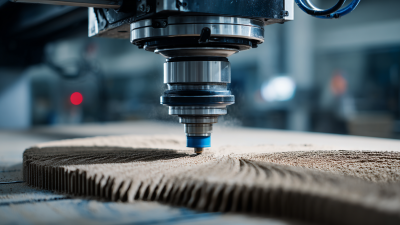
CNC machining processes are vital in modern manufacturing. Precision and efficiency are critical factors in selecting the right service provider. The most common methods include CNC milling, turning, and laser cutting. Each process offers distinct advantages. For instance, CNC milling excels in creating complex shapes, while turning is ideal for cylindrical parts.
A recent industry report highlighted that CNC machining operations account for approximately 30% of the global manufacturing market. With automation on the rise, businesses often report reduced production times and lower costs. However, some companies face challenges in maintaining quality across different machine types. Implementing strict quality control measures can minimize these issues.
When choosing a CNC service, consider the specific needs of your project. Different manufacturers may specialize in unique processes. It’s vital to assess their capabilities thoroughly. Always ask for samples of their previous work. Ensure they understand your design specifications.
**Tip:** Communicate clearly about tolerances and materials. This helps align expectations. A clear understanding can prevent costly mistakes later on. Remember, not all services are equal; some may lack the precision required for your project.
Comparison of CNC Machining Processes
Future Trends in CNC Contract Manufacturing to Watch
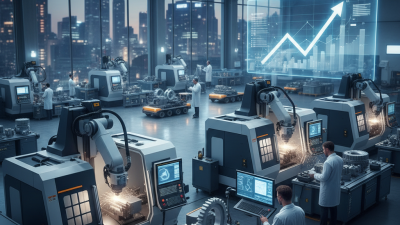
The CNC contract manufacturing sector is poised for substantial evolution. According to a recent report by the Global Industry Analysts, the CNC machining market is expected to reach $89 billion by 2026. This growth is driven by increasing automation and the need for precision manufacturing. Many companies are integrating smart technologies, such as IoT, into their processes. This helps in reducing operational costs while improving production efficiency.
Another notable trend is the shift towards sustainability. Manufacturers are seeking eco-friendly materials and processes. A study from Allied Market Research shows that the demand for sustainable CNC solutions is rising by 15% annually. However, the industry must address challenges related to the lifecycle of manufacturing equipment. Many facilities still rely on outdated technology, which can hinder progress. Transitioning to modern practices requires investment, training, and a shift in mindset.
Customization is also gaining traction. Clients want tailored solutions for their unique demands. According to a survey by IndustryWeek, 78% of manufacturers believe customization will become a key competitive edge by 2026. This trend raises questions about standardization and cost efficiency. Balancing customization with scalability can be complex, indicating a need for thoughtful strategic planning. The future holds promise but also requires careful navigation of these emerging trends.
2026 Best CNC Contract Manufacturing Services to Consider
| Service Type |
Materials Offered |
Technologies Utilized |
Lead Time |
Quality Certifications |
| CNC Milling |
Aluminum, Steel, Plastic |
3-axis, 5-axis |
2-4 weeks |
ISO 9001, AS9100 |
| CNC Turning |
Brass, Stainless Steel |
CNC Lathes |
3-6 weeks |
ISO 9001 |
| Sheet Metal Fabrication |
Steel, Aluminum |
Laser Cutting, Bending |
2-3 weeks |
ISO 9011, RoHS |
| CNC Prototyping |
Various Plastics, Composites |
3D Printing, CNC |
1-2 weeks |
ISO 13485 |
| Robotics Integration |
Varied Materials |
Automated CNC Systems |
4-6 weeks |
ISO 9001, CE |