Best UPVC Pipe Coupling for Global Trade and Sourcing Tips?
When it comes to global trade, sourcing the right materials is crucial. One such essential component is the UPVC Pipe Coupling. These couplings are widely used in various plumbing and construction applications. Their popularity stems from their durability, resistance to corrosion, and cost-effectiveness. However, not all UPVC couplings are created equal.
Choosing the best UPVC Pipe Coupling for your needs requires careful consideration. Quality varies significantly across manufacturers. It is vital to evaluate specifications and reliability. Inspecting certifications and reviews can provide valuable insights. Partnering with trusted suppliers can also enhance sourcing efficiency.
In the ever-evolving market, challenges persist. Quality control is paramount, yet difficult to achieve consistently. Different regions may have varying standards, complicating sourcing efforts. Maintaining a balance between cost and quality is essential, yet often tricky. Reflecting on these factors can lead to better decisions in your procurement process.
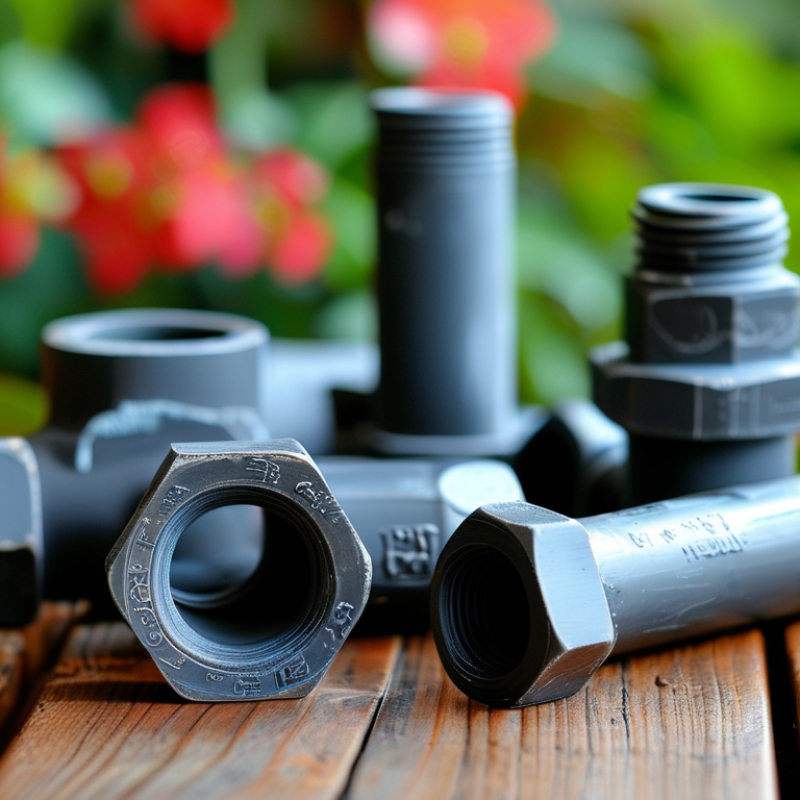
Best UPVC Pipe Coupling Types for Different Applications
When it comes to UPVC pipe couplings, choosing the right type is crucial for various applications. Different projects may require specific features. For plumbing systems, solvent-weld couplings are often used. They provide a strong, leak-free connection that stands the test of time under pressure. For low-pressure applications, compression couplings may be suitable. These couplings offer easy installation and disassembly, which can be a significant advantage in maintenance scenarios.
In industrial settings, flanged couplings are commonly employed. They allow for better flexibility, especially in larger systems. Choosing the correct size and pressure rating is essential. Moreover, some users may overlook the importance of compatibility with existing pipes. It’s vital to ensure all parts fit together seamlessly to avoid future leaks. On the other hand, certain applications, like drainage, might be better suited to flexible couplings. These adapt to movement, which can prevent breakage during shifts in the landscape.
Reflecting on the variety of INPVC couplings, it becomes clear that not every coupling fits every need. Buyers must consider the unique requirements of their projects. This isn’t always straightforward. Sometimes the stakes are high, and a wrong choice can lead to costly repairs. Allocate time to understand what each type offers. This effort can save risks and enhance long-term efficiency in any piping system.
Key Factors to Consider When Choosing UPVC Pipe Couplings
When selecting UPVC pipe couplings for various applications, several factors play a crucial role. One key consideration is the diameter compatibility. Ensure that the coupling fits snugly with the pipes to prevent leaks. Inadequate sizing can lead to failures in pressure systems. Moreover, the strength of the UPVC material is essential. It should withstand the intended pressure and environmental conditions without deforming.
Next, checking the chemical resistance of UPVC is vital for specific uses. UPVC can handle various chemicals, but some aggressive substances may cause degradation. Thus, understanding the intended fluid or gas being transported is necessary. Also, consider the ease of installation. Some couplings come with unique designs facilitating faster setups. The right coupling can save time and labor costs.
Another aspect involves the manufacturing standards. Reliable couplings must meet industry specifications and certifications. This ensures durability and performance. Lastly, sourcing from reputable suppliers can provide better assurances. It fosters reliability and offers access to expert advice. Choosing wisely is essential for long-term success in your projects.
Top Global Suppliers and Manufacturers of UPVC Pipe Couplings
When sourcing UPVC pipe couplings, it's crucial to find top global suppliers and manufacturers. According to a recent industry report, the global UPVC market is projected to reach $20 billion by 2027, with a compound annual growth rate of 6.5%. This growth highlights the increasing demand for efficient plumbing solutions across various sectors.
Leading suppliers are often evaluated based on quality, production capacity, and compliance with international standards. It's vital to assess suppliers' certifications, as these reflect their commitment to quality control. Manufacturers with ISO 9001 certification are generally more reliable. Additionally, geographic considerations can influence costs and lead times.
Tips for sourcing effectively include visiting manufacturing facilities when possible. Direct interaction can provide insights into production processes. Always request samples to evaluate material quality. Consider suppliers that have robust customer support and clear return policies. These factors can significantly influence long-term business relationships. The choice of reliable couplings impacts not just immediate projects but also future endeavors. Understanding these nuances enhances sourcing decisions, fostering more informed partnerships.
UPVC Pipe Couplings Market Analysis
Effective Sourcing Strategies for UPVC Pipe Couplings
When sourcing UPVC pipe couplings, understanding the market landscape is crucial. Begin by researching reputable manufacturers with a strong track record. Look for suppliers that prioritize quality and consistency. Certifications can be a good sign. However, just because a product is certified does not guarantee reliability. Always seek feedback from existing users.
Networking with industry professionals can offer valuable insights. Attend trade shows or online webinars. Engage in discussions to understand emerging trends. Do not overlook the importance of local suppliers. Sometimes, they offer unexpected advantages, such as faster delivery times.
Price is essential, but not the only factor. A lower price might come at the cost of quality. Secure multiple quotes to compare. Be aware of hidden costs, including shipping and tariffs. Clear communication with suppliers can prevent misunderstandings. Questions about product specifications are essential. If a supplier hesitates to answer, consider this a red flag. Always prioritize transparency and clear agreements in any transaction.
Best UPVC Pipe Coupling for Global Trade and Sourcing Tips
| Dimension (mm) | Pressure Rating (BAR) | Connection Type | Color | Application |
| 20 | 10 | Socket | White | Water supply |
| 25 | 10 | Glue | Grey | Drainage |
| 32 | 6 | Threaded | Blue | Irrigation |
| 40 | 10 | Socket | White | Hot water |
| 50 | 6 | Glue | Grey | Sewage |
Quality Standards and Certifications for UPVC Pipe Couplings
When sourcing UPVC pipe couplings globally, understanding quality standards is crucial. Various international standards govern the manufacturing and performance of these products. The International Organization for Standardization (ISO) has developed the ISO 4422 standard, which outlines the specifications for PVC pipes and fittings. This standard ensures that the products meet safety and performance criteria essential for reliable usage in plumbing and construction.
Many countries also require certifications that align with local regulations. For instance, the American Society for Testing and Materials (ASTM) has specific guidelines for UPVC materials. These include the ASTM D1784, which details the properties of PVC compounds. Achieving these certifications can enhance credibility and marketability. However, not all manufacturers may comply fully, leading to quality discrepancies.
Furthermore, recent data indicates that a significant percentage of UPVC products fall short of these standards due to inadequate testing. A report from the World Plastics Council suggests that nearly 30% of imported UPVC pipe fittings do not meet basic quality expectations. Buyers should remain vigilant and conduct thorough inspections before purchase. This ensures that the couplings not only meet the required standards but are also durable and safe for long-term use.
