How to Choose the Best Waterjet Cutting Machinery?
Choosing the right waterjet cutting machinery is crucial for sustainable manufacturing. According to industry studies, the global waterjet cutting market is projected to reach $1.5 billion by 2026, growing at a compound annual growth rate (CAGR) of 6.8%. This growth is driven by the rising demand for high precision in various applications, including aerospace and automotive industries.
When selecting waterjet cutting machinery, consider key factors like cutting speed, material compatibility, and maintenance requirements. Detailed reports suggest that efficiency can vary significantly between models. It’s vital to thoroughly evaluate these aspects to avoid costly operational downtimes. Investing in the right machine can lead to higher productivity levels and lower operational costs.
However, the process isn't always straightforward. Many factors can complicate the decision. Users often overlook long-term maintenance costs or the potential for technological upgrades. This oversight can lead to frustration down the line. A careful assessment of current and future needs is essential for making the best choice in waterjet cutting machinery.
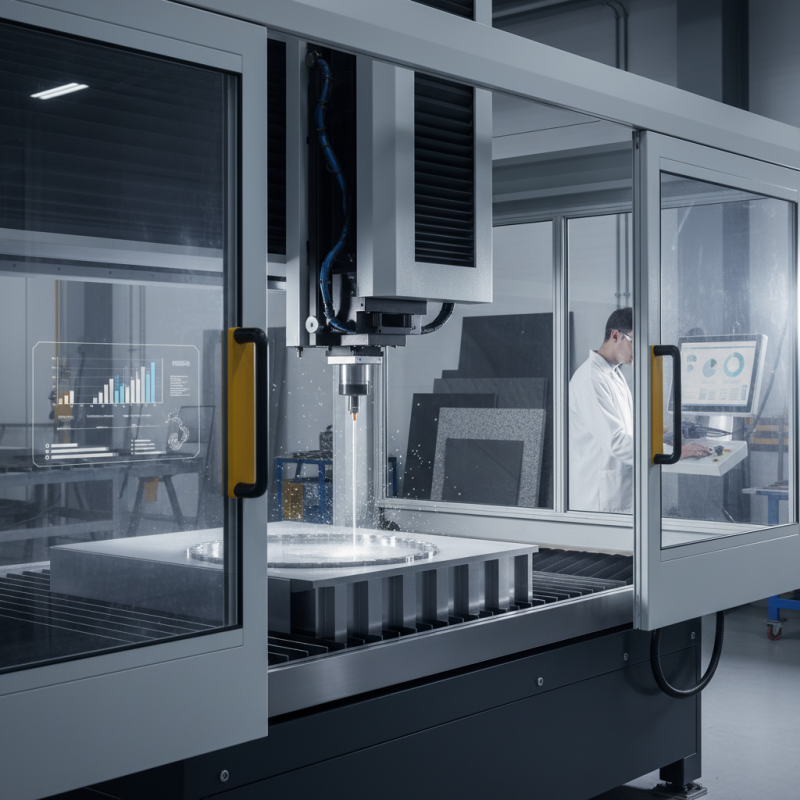
Types of Waterjet Cutting Machinery and Their Applications
Waterjet cutting machinery comes in various types, each suited for different tasks. Abrasive waterjet cutters work by mixing high-pressure water with abrasive materials. They excel in cutting hard materials like metal and stone. The versatility of this type provides endless possibilities for industries like automotive and aerospace. However, using abrasives can add complexity. This may lead to higher costs and the need for cleanup.
On the other hand, pure waterjet cutters are ideal for softer materials. They use only water and are effective for plastics and foams. These machines offer a cleaner cut, with minimal waste material. However, they have limitations and may not perform well on thicker materials. Users must consider material thickness when choosing this option.
Each type has specific applications and challenges. Understanding these nuances is key to making a better choice. Evaluating needs helps in selecting the right machine for optimal performance.
Key Factors to Consider When Selecting Waterjet Cutting Systems
Choosing the right waterjet cutting system involves understanding various key factors. Start by considering the material types you will be cutting. Different materials require different cutting speeds and pressures. Stainless steel, for example, demands a higher pressure than softer metals. Matching the machine to your specific needs is essential for efficiency.
Next, evaluate the bed size. A larger bed allows for bigger pieces, but it also takes up more space. Be honest about your workspace limitations. If you have a compact area, a smaller machine might be better, even if you occasionally need to cut larger materials. Moreover, assess the power requirements and ensure you can support the machine. Insufficient power could lead to performance issues.
Lastly, think about the software integration. A machine that is difficult to integrate with your existing software can hinder production. User-friendly software enhances precision and reduces mistakes, but don’t overlook training needs. Sometimes, machine features look great on paper but require time to master. Reflect on these details before making a decision; neglecting any aspect can lead to regrets later on.
Waterjet Cutting Machinery Comparison
Comparing Waterjet Technology: Abrasive vs. Pure Waterjet Cutting
When choosing waterjet cutting machinery, understanding the difference between abrasive and pure waterjet cutting is crucial. Abrasive waterjet cutting uses a mixture of water and abrasives, making it ideal for hard materials like metal and glass. In contrast, pure waterjet cutting uses only water, excelling in softer materials such as foam and rubber. Reports show that abrasive waterjets have a cutting speed averaging 2-5 times that of pure waterjets. This distinction can significantly impact your production rates.
Tip: Assess your material requirements. If cutting metals or dense materials, opt for abrasive waterjet cutting. If you need precision on softer substances, pure waterjet will suffice. Always consider the thickness of the material and desired finish as well.
Another point to ponder is operating costs. Abrasive waterjet systems require ongoing purchasing of abrasives, which can add up. Pure waterjet systems often have lower operational costs over time. However, pure waterjets may struggle with thicker materials and result in more kerf. By weighing these factors, you can avoid costly mistakes in your equipment choices.
Understanding the Costs Involved in Waterjet Cutting Machinery
Understanding the costs involved in waterjet cutting machinery is crucial for businesses looking to invest. The initial purchase price can vary greatly. Some machines offer lower upfront costs but might lack the precision needed for complex jobs. This could lead to higher operational costs over time.
Maintenance is another important aspect. Regular servicing is necessary to keep the machinery running optimally. Failure to maintain could lead to unexpected shutdowns. Such issues can be costly, both in repairs and lost production time. Operators should consider these hidden costs in their budget.
It's also essential to factor in the cost of consumables. Abrasives and water resources can add up. Some might overlook these ongoing costs. Inadequate budgeting can lead to financial strain. Understanding all costs involved helps in making an informed decision on the right machinery for specific needs.
How to Choose the Best Waterjet Cutting Machinery? - Understanding the Costs Involved in Waterjet Cutting Machinery
| Criteria | Description | Estimated Cost (USD) |
| Machinery Type | Abrasive Waterjet vs. Pure Waterjet | $50,000 - $200,000 |
| Cutting Thickness | Maximum thickness the machine can cut effectively | $5,000 - $20,000 |
| Pump Power | Higher power pumps offer faster cutting speeds | $10,000 - $30,000 |
| Maintenance Costs | Estimated annual maintenance and operational costs | $3,000 - $15,000 |
| Software Capabilities | CAD compatibility and programming options | $1,000 - $5,000 |
| Training and Support | Cost for operator training and technical support | $2,000 - $10,000 |
Maintenance and Support: Ensuring Longevity of Your Waterjet Equipment
Maintenance is crucial for the longevity of waterjet cutting machinery. Regular checks can prevent unexpected breakdowns. Scheduled maintenance helps identify wear and tear. It's important to clean the nozzles frequently. Clogged nozzles can affect cutting precision. Take time to inspect hoses and fittings for any leaks or damage. Simple actions can save time and money.
Support is another key element in ensuring equipment longevity. Having access to knowledgeable technicians is vital. They can offer insights into common issues. Staff should be trained regularly to handle basic maintenance. This knowledge empowers them to spot problems early. Documentation of maintenance records can also provide insight into recurring issues.
Consider environmental factors in your maintenance routine. Dust and debris can accumulate quickly. This is especially true in manufacturing settings. Implement a cleaning schedule that fits your operational tempo. Neglecting these aspects can lead to complications. Reflecting on these practices can lead to improved performance. Waterjet machinery deserves attention for it to thrive.
