How to Choose the Right Contract Manufacturing Organization?
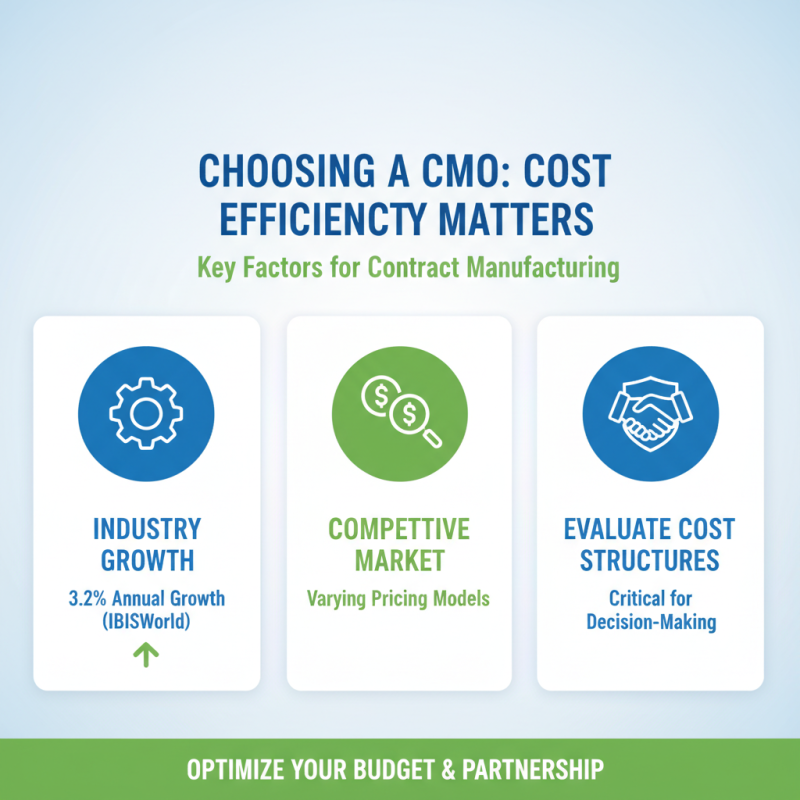
Choosing the right contract manufacturing organization (CMO) is crucial for any business looking to succeed in a competitive market. The CMO you select can significantly impact your product quality, cost efficiency, and time to market. A poor choice may lead to delays, increased expenses, and even product failures. Companies must carefully evaluate potential partners.
When assessing a contract manufacturing organization, consider their experience and specialization. Do they understand your specific industry? Check their track record for reliability and quality. It is also essential to visit their facilities, if possible. Personal visits reveal operational standards that are hard to gauge from a distance.
Communication is another critical factor. A CMO should be responsive and easy to interact with. Poor communication can lead to misunderstandings and unmet expectations. Therefore, having a good dialogue is vital. Remember, choosing the right CMO is not just about cost. It’s about building a strategic partnership that enhances your brand’s value.

Understanding the Role of Contract Manufacturing Organizations in Industry
Contract Manufacturing Organizations (CMOs) play a vital role in various industries, especially in pharmaceuticals and consumer goods. They handle manufacturing processes, which allows companies to focus on their core competencies. CMOs can reduce operational costs by leveraging specialized expertise and existing facilities. According to recent industry reports, more than 40% of pharmaceutical companies now rely on CMOs for at least part of their production needs.
Choosing the right CMO requires understanding their capabilities and aligning them with your project demands. Assess their certifications, production capacity, and past performance. Research shows that companies with clear criteria for selection achieve better partnerships. Establish a communication plan early. This ensures transparency and helps in addressing challenges promptly.
Tip: Evaluate multiple CMOs before making a decision. This gives you insights into varying services and pricing.
Keep in mind that not all CMOs might meet your expectations. A mismatch in culture or goals can lead to friction. Regular performance reviews can help identify gaps in the partnership. Additionally, having contingency plans is crucial due to potential disruptions in the supply chain.
Tip: Always seek feedback from your CMO to refine processes. Open dialogue fosters trust and improves outcomes.
Key Factors to Consider When Selecting a Contract Manufacturing Partner
Choosing a contract manufacturing organization (CMO) can be challenging. It's vital to evaluate their capabilities carefully. Look for a partner with relevant industry experience. This ensures they understand your specific needs. Check for certifications that demonstrate compliance with standards. Quality management is crucial. A lapse in quality can have severe consequences for your brand.
Communication is another key factor. You need a CMO that values transparency. Regular updates build trust. Misunderstandings can lead to delays. Assess their responsiveness during the selection process. Are they quick to answer your queries? Their attentiveness can indicate future collaboration success.
Consider their location as well. Proximity can impact logistics and costs. However, don’t ignore the potential benefits of overseas partners. This requires careful management. Be wary of cultural differences that could affect communication. Make sure their production capabilities align with your requirements. Flexibility in scaling production is a plus. It’s essential to assess all these factors to avoid pitfalls later on.
How to Choose the Right Contract Manufacturing Organization? - Key Factors to Consider When Selecting a Contract Manufacturing Partner
| Criteria |
Importance Level |
Description |
| Experience and Expertise |
High |
Look for a partner with a proven track record in your industry and specific manufacturing needs. |
| Regulatory Compliance |
High |
Ensure the CMO complies with relevant regulations and quality standards for your products. |
| Location |
Medium |
Consider logistical factors and proximity to your customer base or supply chain. |
| Production Capabilities |
High |
Evaluate the CMO's machinery, technology, and scalability for your production needs. |
| Cost Structure |
Medium |
Analyze the pricing model including fixed costs, variable costs, and potential hidden fees. |
| Communication and Support |
Medium |
Assess the responsiveness and availability of the CMO's communication and support teams. |
| Quality Assurance |
High |
Check the CMO's quality audits, certifications, and processes for maintaining product quality. |
Evaluating Quality Control Standards in Contract Manufacturing Organizations
Choosing the right contract manufacturing organization (CMO) is crucial for your business. Quality control standards play a vital role in this decision. When evaluating a CMO, consider their quality assurance processes. Look at their certifications and accreditations. These documents indicate adherence to industry standards. However, don’t solely rely on paper credentials.
Visit the facility if possible. Observe the manufacturing environment. Are the staff knowledgeable? Check for cleanliness and organization. Ask about their testing protocols. Understand how they handle non-conforming products. Transparency in quality issues is essential. A CMO should willingly share their corrective action plans.
Additionally, engage with other clients of the CMO. Their experiences can provide valuable insights. Sometimes, what’s stated in the contract may differ from reality. Reflect on what matters most to you. Quality control is not just about meeting standards; it’s about consistent performance. The right CMO can elevate your product. The wrong choice could lead to significant setbacks. It's worth your time to dig deep.
Analyzing Supply Chain Capabilities of Contract Manufacturing Organizations
When selecting a Contract Manufacturing Organization (CMO), supply chain capabilities are crucial. A CMO's efficiency often hinges on its network. Consider their logistics partnerships. Are they local or international? A CMO with a solid local network can reduce delivery times significantly. However, an international presence might provide access to diverse resources.
Examine their inventory management. A CMO should demonstrate effective stock control. Poor inventory practices lead to delays and increased costs. Can they adapt to sudden demand changes? Flexibility is vital. Some CMOs might struggle to pivot quickly, impacting your operations.
Assess their technology. Robust systems streamline communication and track progress. Look for real-time data access and reporting capabilities. Without transparency, it's challenging to identify potential bottlenecks. Some organizations may lack adequate technology, making it hard to manage expectations. These factors all merit careful consideration to ensure the partnership aligns with your objectives.