How to Choose the Right Lubricating Oil Additives

Choosing Lubricating Oil Additives is not a matter of picking the longest list of benefits on a product label. The right choice depends on the oil’s base stock, the equipment, operating temperatures, load, and the manufacturer’s requirements. A hydraulic system, a diesel engine, and a gear drive face different demands. One additive package cannot serve every application equally well.

Tribologist Peter Jost described tribology as “the science and technology of interacting surfaces in relative motion and of the practices related thereto.” That perspective is useful here: additives influence how moving surfaces behave, but they work within a complete lubricant formulation. Detergents, dispersants, antioxidants, anti-wear agents, and viscosity modifiers each serve particular roles. Their performance can change with the oil, the operating environment, and other additives in the blend. Small details matter.

A practical evaluation starts with the equipment manual and the required industry specifications. Then compare product data, application limits, and compatibility guidance from the lubricant supplier. Where the stakes are high, controlled testing and oil analysis can reveal problems that a brochure cannot. Avoid adding aftermarket products without confirming suitability; even a familiar formulation may affect an oil’s balance. That matters.

There is no perfect shortcut. A neat selection chart can simplify the decision, but it may leave out unusual duty cycles, contamination, or temperature swings. Those details deserve a closer look. This guide will help readers ask better questions, assess evidence, and choose Lubricating Oil Additives with care rather than relying on broad promises.
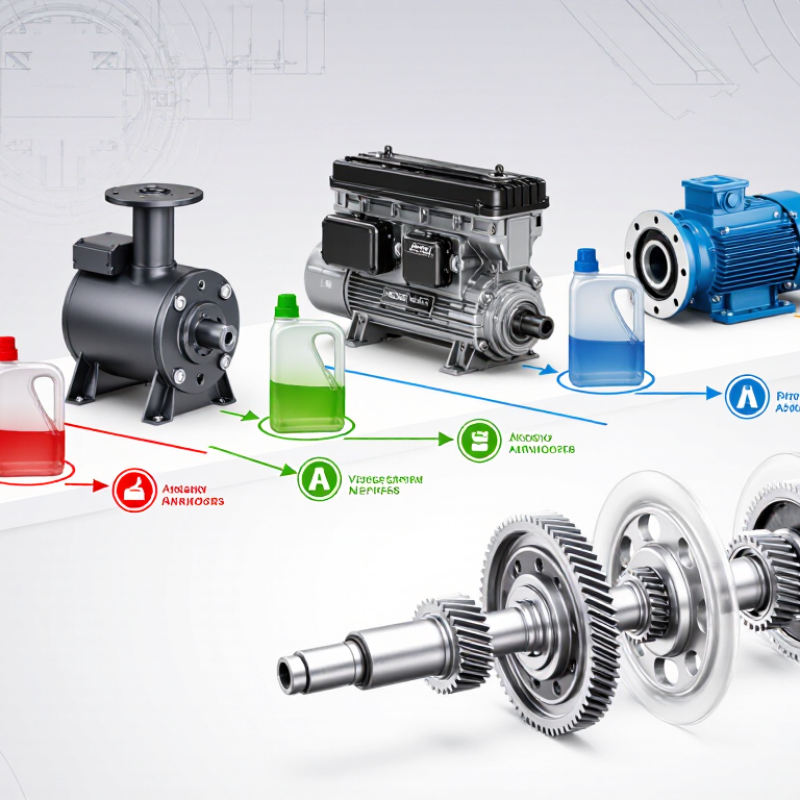
How to Choose the Right Lubricating Oil Additives

Identify the Lubricant’s Operating Conditions and Performance Needs

How to Choose the Right Lubricating Oil Additives

Identify the Lubricant’s Operating Conditions and Performance Needs

Start with the machine, not the additive label. Record operating temperature, load, speed, duty cycle, and start-up frequency. A bearing running hot in a dusty workshop needs different protection from a hydraulic system operating steadily indoors. Small details matter. Check the lubricant’s current viscosity grade, equipment materials, seals, and maintenance history. ASTM D445 testing can confirm kinematic viscosity; used-oil analysis can reveal wear metals, water, and oxidation. One sample is useful, but trends across several samples are more informative.

Holmberg and Erdemir’s 2017 review in Friction estimated that tribological contacts account for about 23% of global energy consumption. Their estimate included roughly 20% spent overcoming friction and 3% linked to wear-related remanufacturing. These are broad, global figures, not a prediction for one machine.

Still, they show why matching lubricant performance to real operating conditions matters. Define the main need—wear control, oxidation resistance, corrosion protection, or deposit control—before comparing additive packages. Then check compatibility with the base oil and existing lubricant. A laboratory result may look reassuring, yet field conditions can differ. That uncertainty deserves attention.

Match Additive Types to the Oil’s Intended Application

How to Choose the Right Lubricating Oil Additives

Match the additive package to the machine’s working conditions, not just the oil’s label. An engine oil may need detergents to limit deposits, dispersants to keep soot suspended, and antiwear agents to protect surfaces during startup. A heavily loaded gearbox may need extreme-pressure additives to help protect gear teeth under high contact stress. Hydraulic systems often benefit from oxidation and corrosion protection, while water separation can matter in equipment exposed to moisture.

Conditions change the choice. High heat can speed oxidation, while frequent cold starts can challenge oil flow. Viscosity-index improvers may help oil maintain performance across temperature changes, but they cannot fix an unsuitable base viscosity. It is tempting to assume that more additives mean better protection. That shortcut can mislead. Additives must work with the base oil and each other, and an unsuitable package may affect seals, filters, or performance. Check the equipment maker’s oil requirements and relevant test specifications before changing formulations.

Tips: Write down the application, operating temperature, load, and contamination risks. Compare those details with the oil specification, then confirm compatibility with the equipment supplier. If a choice remains unclear, test a small sample or seek a qualified lubricant specialist’s advice. A neat rule of thumb is useful, but real operating conditions deserve a second look.

How to Choose the Right Lubricating Oil Additives - Match Additive Types to the Oil’s Intended Application

Additive Type Primary Function Typical Application Fit Selection Considerations
Antioxidants Slow oxidation, which can cause oil thickening, deposits, and acidity during service. Turbine, hydraulic, compressor, engine, and industrial circulating oils exposed to heat or extended operating periods. Consider operating temperature, oil life requirements, and compatibility with the complete formulation. Antioxidant type and concentration are formulation-specific.
Anti-wear additives Help reduce wear under boundary or mixed lubrication conditions, where the oil film is insufficient to fully separate surfaces. Hydraulic oils, engine oils, and other equipment oils where protection of sliding components is required. Zinc-containing anti-wear chemistry is common in some applications, but may be restricted by equipment, seal, or environmental requirements. Check the equipment specification.
Extreme-pressure (EP) additives Protect metal surfaces under high loads and severe sliding by forming protective reaction films. Industrial gear oils and certain metalworking lubricants subject to high contact stress. EP chemistry may affect yellow metals, seals, or other formulation properties. Confirm material compatibility and the required gear or machinery specification.
Detergents Help control deposits and neutralize acidic products, particularly in hot engine environments. Internal-combustion engine oils, where cleanliness and acid control are important. Detergent systems contribute to an oil’s ash content. Match the oil to the engine maker’s requirements, especially for exhaust after-treatment systems.
Dispersants Keep soot and other small contaminants suspended to help limit sludge and deposit formation. Engine oils used in applications that generate soot or oxidation products, including many diesel-engine applications. Choose an oil meeting the applicable engine performance specification. Dispersancy needs vary with engine design, fuel, duty cycle, and drain interval.
Rust and corrosion inhibitors Protect metal surfaces from moisture-related rust and corrosion. Hydraulic, circulating, turbine, and other industrial oils where water exposure or humid storage is possible. Consider the likelihood of water contamination, metal types, and water-separation requirements. Some inhibitor systems can influence demulsibility.
Viscosity index improvers Reduce the rate at which viscosity changes as temperature changes. Multigrade engine oils and selected hydraulic or transmission fluids used across a wide temperature range. Assess the required viscosity grades and shear stability. The finished oil must retain the viscosity needed under the equipment’s operating conditions.
Pour-point depressants Help an oil remain fluid at low temperatures by modifying wax-crystal behavior. Engine, hydraulic, and industrial oils that must start or circulate in cold conditions. They do not replace the need to select an appropriate base oil and viscosity grade. Verify low-temperature performance in the finished formulation.
Anti-foam additives Help control persistent foam that can impair lubrication, heat transfer, or hydraulic operation. Hydraulic, turbine, compressor, and circulating oils where air entrainment or foaming is a concern. Foam control and air-release performance are not the same property. Select for the equipment’s test and performance requirements; excess treatment may be counterproductive.
Friction modifiers Adjust friction between contacting surfaces to support the intended efficiency or friction behavior. Selected engine, transmission, and industrial lubricants designed for specific friction characteristics. Friction requirements are application-specific. Confirm compatibility with clutch materials, synchronizers, and the equipment manufacturer’s fluid specification.

Selection note: Additives are normally combined in a balanced formulation rather than selected in isolation. Use the lubricant viscosity grade and performance specification required by the equipment manufacturer; do not mix additive concentrates into service oils unless the lubricant supplier or equipment manufacturer approves it.

Check Compatibility with the Base Oil and Existing Additives

How to Choose the Right Lubricating Oil Additives

Check Compatibility with the Base Oil and Existing Additives

An additive must work with the base oil, not just perform well on its own. Check the oil’s viscosity grade, base-stock type, and intended operating temperature. A package suited to one formulation may separate or lose effectiveness in another. Small changes matter.

Review the existing additives before introducing anything new. Detergents, dispersants, anti-wear agents, and viscosity modifiers can interact, sometimes reducing performance or causing haze. Ask the supplier for compatibility data and recommended treat rates. Avoid adding more than the specified amount; a higher dose is not automatically better.

For a preliminary check, mix a small sample at the intended ratio and observe it for cloudiness, sediment, or separation. Then assess key properties, such as viscosity and water separation, using appropriate laboratory methods. A jar test is useful, but it cannot predict every condition inside a working machine. That limitation is easy to overlook. Confirm the blend against equipment requirements, and monitor the oil after a controlled trial for changes in appearance, temperature, or wear indicators. If results are uncertain, consult a qualified lubricant specialist before making a full-system change.

Evaluate Performance Data, Safety, and Regulatory Requirements

How to Choose the Right Lubricating Oil Additives

Evaluate Performance Data, Safety, and Regulatory Requirements

Choosing an additive starts with operating conditions, not a product claim. Record the base oil, equipment type, temperature range, load, and service interval. Compare relevant test data, including oxidation stability, wear protection, deposit control, and compatibility. A laboratory screening result may not predict performance in a heavily loaded gearbox. Ask for test methods, sample conditions, and repeatability data. Details matter.

Safety and compliance deserve equal attention. Review the current safety data sheet and technical data sheet, including handling, storage, and disposal guidance. Check whether the additive suits the intended application and meets relevant equipment specifications and local regulatory requirements. Requirements can differ by region and use. Keep batch records and seek written approval from the lubricant supplier or equipment manufacturer when needed. “Low toxicity” does not mean harmless; exposure controls still matter. Data can be incomplete.

Tips: Compare additives using the same base oil and test conditions. Confirm compatibility with seals and existing lubricant before a full changeover. Keep a labeled sample for follow-up analysis. If claims conflict with measured results, pause and investigate. Field monitoring still matters. You may need to revise your first choice.

Confirm the Treat Rate and Test the Finished Oil in Service

An additive treat rate is a starting point, not a guarantee. Follow the supplier’s guidance, then prepare a small blend ladder around the proposed dose. Change one variable at a time. Record batch mass, mixing temperature, and blend time; a few grams of dosing error can distort a small laboratory batch. Small details matter.

Check the finished oil, not just the additive concentrate. SAE J300_202104 specifies that SAE 5W-30 oil must have a kinematic viscosity of 9.3 to less than 12.5 mm²/s at 100°C, plus a minimum high-temperature, high-shear viscosity of 2.9 mPa·s. ASTM D445 provides the viscosity test method. These figures are useful checks, but meeting them does not prove wear protection or deposit control. I would not trust a neat spreadsheet alone.

Then run suitable bench and service tests against the oil’s intended use. ASTM D664 measures acid number, while ASTM D5185 supports elemental analysis of used oil. Track viscosity shifts, wear metals, oil consumption, and filter condition at consistent sampling intervals. Keep the comparison fair: same equipment, operating conditions, and sampling method. Field results can be messy. One short trial may miss seasonal effects, and an apparently good result may deserve another test.