Why is CNC Machine Fabrication Essential for Modern Manufacturing?
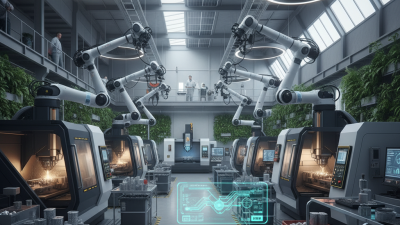
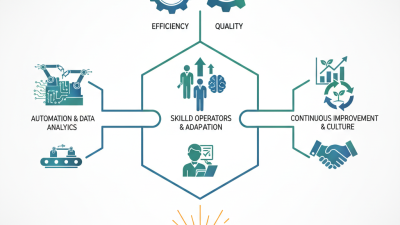
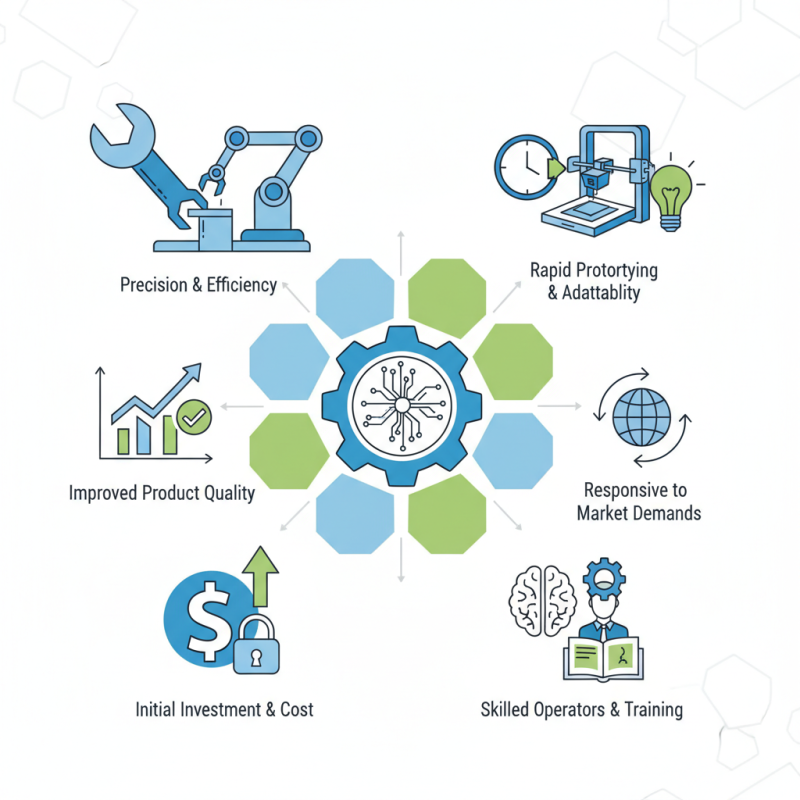
In today's competitive landscape, CNC machine fabrication has become a cornerstone of modern manufacturing. This technology revolutionizes production processes by ensuring precision and efficiency. Factories utilizing CNC machines experience significant improvements in product quality and consistency. The ability to create complex designs with minimal human error sets CNC apart from traditional machining methods.
Manufacturers face challenges, such as rising costs and changing market demands. CNC machine fabrication addresses these issues effectively. This technology allows for rapid prototyping and quick adjustments to designs. As a result, businesses can respond swiftly to customer needs and market trends, gaining an advantage.
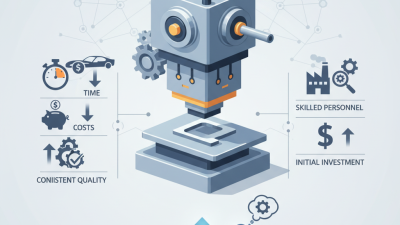
However, CNC machine fabrication is not without its drawbacks. The initial investment in CNC technology can be substantial. Additionally, the need for skilled operators means ongoing training and education are necessary. Manufacturers must weigh these considerations carefully. Embracing CNC machine fabrication is essential for companies seeking to thrive in a fast-paced manufacturing environment.
The Role of CNC Machines in Enhancing Manufacturing Precision
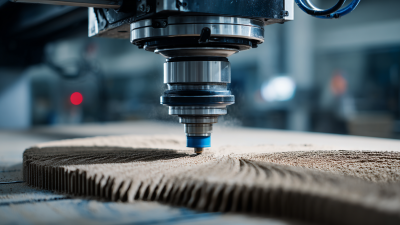
CNC machines play a crucial role in modern manufacturing by enhancing precision. These machines use computer numerical control to follow exact specifications. This technology fosters remarkable accuracy, reducing errors that are common in manual processes. With their ability to replicate designs consistently, CNC machines ensure uniformity across multiple products.
Manufacturers can produce complex shapes and intricate designs that would be challenging with traditional methods. This flexibility allows for innovation and creativity in product development. However, reliance on these machines raises questions about training and adaptation. Not every worker is accustomed to operating advanced technology. This skill gap can lead to inefficient operations if not addressed.
Additionally, while CNC machines offer precision, they are not infallible. Mistakes can occur in programming or setup. Regular maintenance is required to ensure optimal performance. Manufacturers must remain vigilant and responsive to potential flaws in machine operation. Balancing technology and human oversight is key to maximizing CNC's benefits while minimizing pitfalls.
Impact of CNC Fabrication on Production Speed and Efficiency
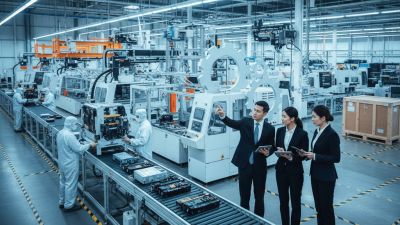
CNC machine fabrication plays a critical role in modern manufacturing by greatly enhancing production speed and efficiency. With the help of computer numerical control, manufacturers can produce parts with precision and consistency. Operators can input designs directly into the machine, reducing the chance for human error. This technology allows for quick adjustments to be made, accommodating changes in design without significant downtime.
However, relying solely on CNC machines can pose challenges. Overdependence makes manufacturers vulnerable to technical issues. A single malfunction can halt production entirely, causing delays. It is vital for manufacturers to have backup plans in place. Regular maintenance and skilled technicians are essential to mitigate these risks.
Tips: Invest in ongoing training for operators. A well-trained team can troubleshoot minor issues quickly. Incorporate routine inspections to maintain machine health. This simple practice can prevent unexpected breakdowns. Additionally, keep a flexible production schedule to adapt to unforeseen circumstances. Embracing these strategies helps to maximize the benefits of CNC fabrication while minimizing potential pitfalls.
Why is CNC Machine Fabrication Essential for Modern Manufacturing? - Impact of CNC Fabrication on Production Speed and Efficiency
| Factor |
Impact of CNC Fabrication |
Quantitative Improvement (%) |
| Production Speed |
Increased machining speed through automation |
30% |
| Precision |
Higher accuracy in dimensions and tolerances |
50% |
| Material Waste |
Reduction in material waste through optimized cutting paths |
20% |
| Labor Costs |
Decreased need for manual labor and supervision |
25% |
| Setup Time |
Faster setup due to programmable controls |
40% |
Cost Savings and Waste Reduction through CNC Machining
CNC machining plays a crucial role in modern manufacturing, particularly in terms of cost savings. By automating the fabrication process, businesses can significantly reduce labor expenses. This efficiency allows companies to allocate resources more effectively. Moreover, CNC machines operate with high precision, ensuring that materials are used optimally. This directly translates to less wasted material.
Waste reduction is a vital factor in manufacturing sustainability. When less material is wasted, companies can save on both costs and environmental impact. For example, a poorly executed manual process may result in scraps that drive up expenses and harm the planet. In contrast, CNC machines can produce parts with minimal excess, showcasing how technology can enhance both efficiency and responsibility.
Despite these advantages, there are challenges. Initial investments in CNC machinery can be high. Smaller companies might struggle to embrace this technology. It’s essential for manufacturers to evaluate their capabilities and long-term goals when considering CNC machining. Each operation can benefit in different ways, but a one-size-fits-all solution does not exist. Reflecting on these factors is key to navigating the modern manufacturing landscape.
Trends in CNC Technology: Innovations Shaping Modern Manufacturing
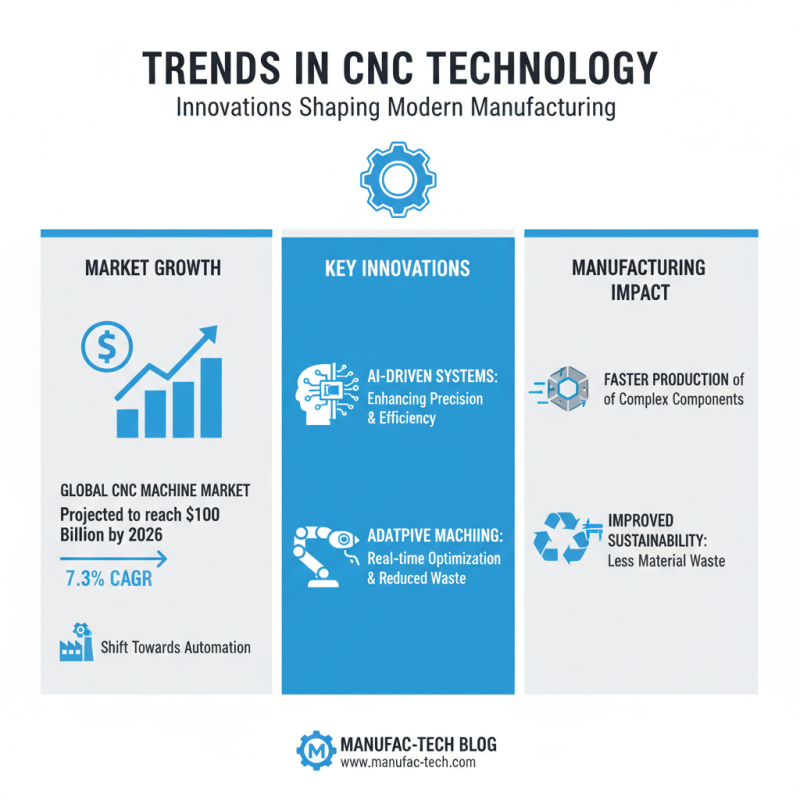
CNC (Computer Numerical Control) technology is reshaping modern manufacturing. Recent data shows that the global CNC machine market is projected to reach $100 billion by 2026, with a CAGR of 7.3%. This indicates a strong shift towards automation in machining processes. Innovations such as adaptive machining and AI-driven systems are enhancing precision and reducing waste significantly. These advancements allow manufacturers to produce complex components at a faster pace.
Another trend is the integration of IoT into CNC operations. This connection facilitates real-time monitoring of machines and production lines. According to a report by Statista, over 70% of manufacturers are leveraging IoT technologies. These systems not only improve operational efficiency but also enable predictive maintenance, minimizing downtime. However, the adoption of these systems requires a skilled workforce, and many companies face challenges in training employees.
Data security is a growing concern in this landscape. As CNC machines become increasingly connected, the risk of cyber-attacks rises. A survey conducted by Deloitte found that 30% of manufacturers reported cyber incidents related to embedded systems. Addressing these vulnerabilities will be crucial for manufacturers who wish to fully embrace digital transformation. Balancing innovation with security remains a critical challenge in the industry.
Case Studies: CNC Machine Fabrication Success Across Industries
CNC machine fabrication has transformed various industries, showcasing its immense benefits through notable case studies. In the aerospace sector, companies report achieving up to 50% reduction in production time by adopting CNC technologies. This efficiency is vital when producing complex components with tight tolerances. Precision matters in aviation, where even the slightest errors can lead to catastrophic failures.
In the automotive industry, CNC machining helps streamline manufacturing processes. For instance, a recent report highlighted that auto manufacturers using CNC tools saw a 30% decrease in material waste. This reduction not only saves costs but also supports sustainability initiatives. However, implementing CNC technology is not without challenges. Companies often face a steep learning curve and initial setup costs that can deter investment.
Moreover, textile and fashion industries have begun utilizing CNC machines for intricate designs. This shift has led to faster production times and unique designs, which appeal to modern consumers. Yet, the reliance on technology can lead to inconsistencies in craftsmanship. As industries evolve, balancing automation with traditional skills remains a critical conversation. The integration of CNC fabrication continues to raise questions about quality versus quantity in production.
Impact of CNC Machine Fabrication on Manufacturing Efficiency