Top 10 Contract Manufacturing Trends to Watch in 2025 for Innovative Businesses
In the ever-evolving landscape of commerce, contract manufacturing remains a pivotal strategy for businesses aiming to enhance innovation and streamline operations. As we look ahead to 2025, staying informed on the emerging trends within this sector is crucial for success. According to industry expert Dr. Emily Chen, a renowned authority in contract manufacturing, "The key to thriving in contract manufacturing lies in adaptability and foresight." This sentiment underscores the importance of being proactive in anticipating shifts that can affect manufacturing processes and partnerships.
As companies navigate the complexities of global markets, understanding the trends that will shape contract manufacturing is essential. Advancements in technology, sustainability practices, and shifts in consumer behavior are just a few factors influencing the industry. By examining the top trends set to emerge in 2025, businesses can position themselves strategically to leverage new opportunities and mitigate potential challenges. In this exploration, we will uncover the trends that innovative businesses must watch, ensuring they remain at the forefront of the contract manufacturing landscape.
Emerging Technologies Shaping Contract Manufacturing: A Look into Automation and AI in 2025
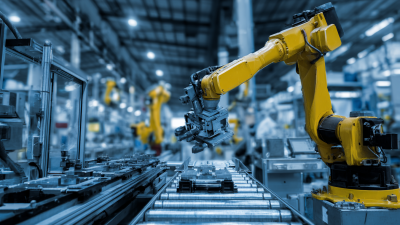
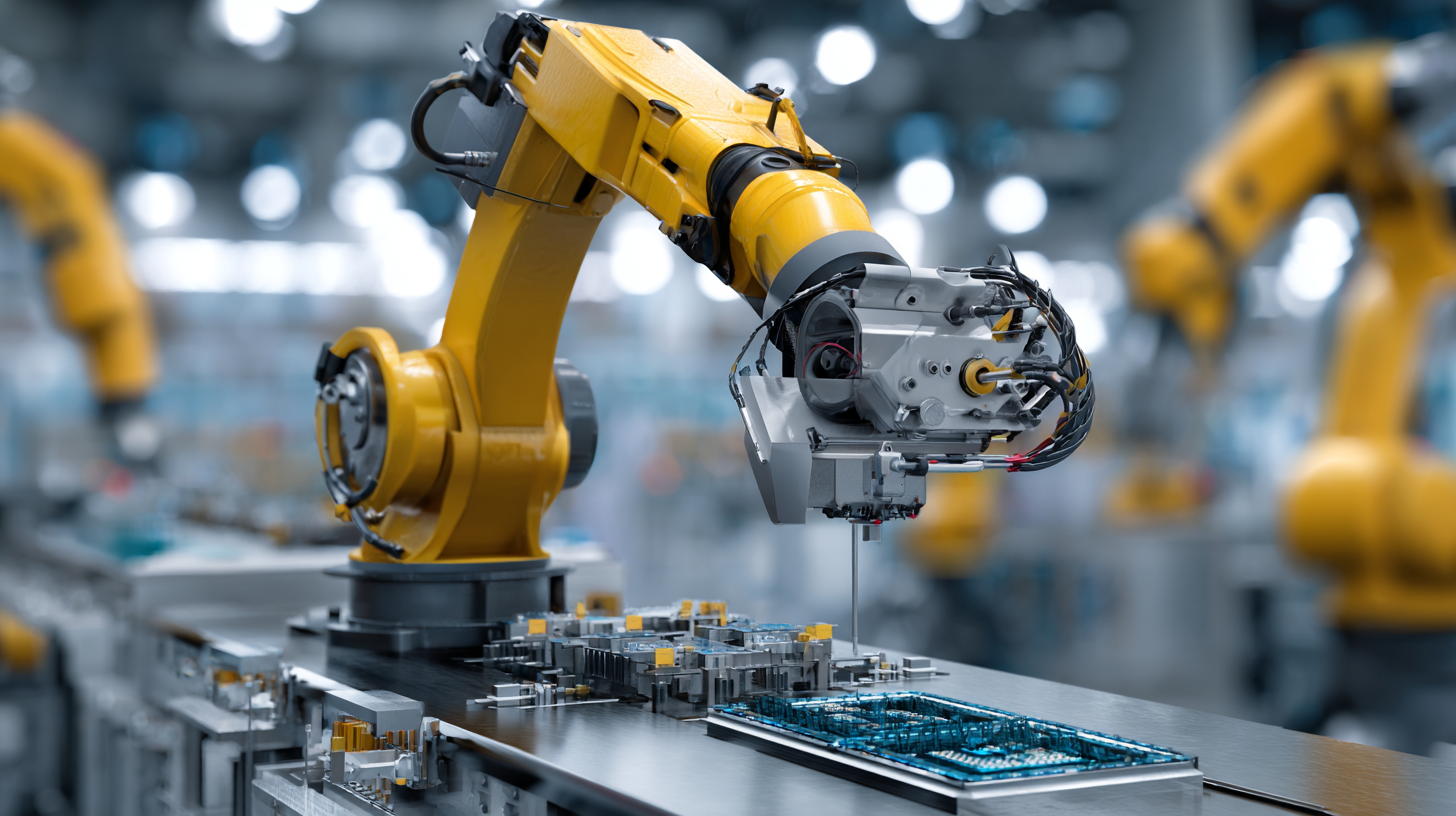
As we approach 2025, emerging technologies are significantly reshaping the landscape of contract manufacturing, with automation and artificial intelligence (AI) taking center stage. Automation streamlines processes, reduces labor costs, and enhances efficiency by minimizing human error. Companies are increasingly adopting robotics and smart machinery to handle repetitive tasks, allowing human workers to focus on more complex challenges that require critical thinking and creativity.
To effectively integrate automation into your contract manufacturing strategy, consider these tips: first, invest in training your workforce to adapt to new technologies, ensuring that they are equipped to collaborate with automated systems. Second, set measurable goals for automation implementation to track progress and optimize operations over time. Lastly, regularly evaluate the performance of automated systems and make necessary adjustments to maintain a competitive edge.
AI is revolutionizing contract manufacturing by enabling predictive analytics, optimizing supply chain management, and enhancing quality control. By leveraging machine learning algorithms, companies can forecast demand more accurately and make informed decisions about production schedules and inventory management.
As you explore AI solutions, keep these recommendations in mind: start small by piloting AI applications in specific areas of your operations, allowing for gradual integration and assessment of impact. Engage with technology partners who specialize in AI to access expertise and avoid common pitfalls. Embracing these technologies not only fosters innovation but positions your business as a leader in the evolving market.
Sustainability Practices in Contract Manufacturing: Adopting Green Solutions for Competitive Advantage
As businesses ready themselves for 2025, the emphasis on sustainability in contract manufacturing becomes increasingly critical. Companies that adopt green practices not only comply with regulations but also enhance their brand image and appeal to environmentally-conscious consumers. From utilizing renewable energy sources to minimizing waste through innovative recycling processes, sustainable manufacturing practices are now seen as a competitive advantage.
Tips for implementing sustainability in your contract manufacturing include conducting a thorough audit of your supply chain to identify areas for improvement. This can involve transitioning to bio-based materials or implementing energy-efficient technologies in production processes. Collaborating with suppliers who prioritize sustainability can also amplify your green efforts while reducing costs in the long run.
Another effective strategy is investing in advanced technologies, such as AI and IoT, which can optimize production processes and reduce resource consumption. By continuously monitoring energy usage and waste generation, companies can make data-driven decisions that lead to more sustainable operations. Emphasizing a culture of sustainability within your organization will also ensure that all employees are engaged in the mission, fostering innovation and continuous improvement in your commitment to green solutions.
The Rise of Supply Chain Resilience: Innovative Strategies for Navigating Disruptions in 2025
In 2025, the focus on supply chain resilience will be paramount for innovative businesses seeking to navigate an increasingly volatile global landscape. Companies will be adopting advanced technologies such as artificial intelligence and machine learning to predict disruptions and respond proactively. These tools will allow businesses to analyze vast amounts of data, helping them identify potential risks and optimize their supply chains for enhanced flexibility. By leveraging predictive analytics, companies can ensure that their manufacturing processes remain uninterrupted, regardless of external challenges.

Collaboration will also emerge as a key strategy for enhancing supply chain resilience. Businesses will seek to build stronger partnerships with suppliers, logistics providers, and even competitors to create more robust networks capable of weathering disruptions. Sharing information and resources will not only facilitate quicker responses to unforeseen events but also inspire innovative solutions that can lead to sustainable practices within the supply chain. As businesses prioritize resilience, the emphasis on transparency and trust among partners will foster a more agile and responsive manufacturing landscape in 2025.
Customization and Personalization Trends: Meeting Unique Client Demands in Contract Manufacturing
In the evolving landscape of contract manufacturing, customization and personalization are becoming paramount. Companies are recognizing that one-size-fits-all solutions no longer suffice in meeting the diverse needs of their clients. This drive towards bespoke production not only enhances customer satisfaction but also fosters brand loyalty by ensuring that products resonate deeply with individual preferences. As businesses strive to differentiate themselves in crowded markets, the ability to offer tailored solutions is becoming a critical strategic advantage.
Tips for implementing customization effectively include leveraging data analytics to gain insights into consumer behavior. By understanding the unique preferences of target audiences, manufacturers can adapt their products and services accordingly. Additionally, investing in agile production processes is essential; this allows for quick changes in production lines to accommodate varying orders without compromising efficiency. Lastly, fostering open communication with clients during the design phase can significantly enhance the personalization aspect, ensuring that the final product aligns perfectly with customer expectations.
The rise of advanced technologies such as 3D printing and AI-driven design tools is also revolutionizing the contract manufacturing space. These innovations facilitate rapid prototyping and can drastically reduce lead times, making it easier to offer customized solutions. Embracing these technologies not only streamlines operations but also paves the way for more innovative product offerings tailored to meet the specific demands of clients.
Top 10 Contract Manufacturing Trends to Watch in 2025
Data-Driven Decision Making: Leveraging Analytics to Enhance Manufacturing Efficiency and Quality
As businesses increasingly embrace data-driven decision-making, leveraging analytics in contract manufacturing is becoming crucial for enhancing efficiency and quality. IBM's 2022 Manufacturing Insights Report indicates that companies employing data analytics have seen a 15-20% improvement in operational efficiency. By utilizing real-time data, manufacturers can streamline processes, reduce downtime, and optimize resource allocation, ultimately leading to increased output and cost savings.
Moreover, the integration of advanced analytics allows manufacturers to predict maintenance needs and prevent equipment failures. A study by McKinsey reveals that predictive maintenance powered by analytics can reduce maintenance costs by up to 30% and increase equipment uptime by 10-20%. This proactive approach not only enhances the overall quality of the products but also fosters a culture of continuous improvement. As a result, businesses that harness the power of data analytics are not only able to meet current market demands but also position themselves for sustainable growth in an increasingly competitive landscape.
Top 10 Contract Manufacturing Trends to Watch in 2025
| Trend |
Description |
Impact |
Projected Growth (%) |
| Data-Driven Decision Making |
Utilizing analytics to inform production strategies and resource allocation. |
Increased production efficiency and reduced waste. |
15% |
| Automation and Robotics |
Adoption of automated systems for repetitive tasks. |
Lower labor costs and increased precision. |
20% |
| Sustainability Practices |
Implementing environmentally friendly production processes. |
Enhanced brand reputation and compliance with regulations. |
25% |
| Custom Manufacturing Solutions |
Tailoring products to meet specific customer needs. |
Increased customer satisfaction and loyalty. |
18% |
| Supply Chain Transparency |
Improving visibility across supply chain operations. |
Enhanced risk management and faster response times. |
30% |
| Advanced Materials |
Research and application of innovative materials. |
Improved product performance and reduced costs. |
22% |
| Digital Twin Technology |
Creating virtual replicas of physical systems for monitoring. |
Enhanced maintenance and predictive analytics capabilities. |
27% |
| Flexible Manufacturing Systems |
Adapting production lines to accommodate varied products. |
Higher responsiveness to market changes. |
19% |
| Remote Monitoring and Maintenance |
Using IoT for remote equipment monitoring and service. |
Reduced downtime and maintenance costs. |
24% |
| Augmented Reality in Training |
Utilizing AR for employee training in complex tasks. |
Improved learning speed and safety standards. |
16% |