Top 5 Tips for Efficient Machine Fabrication Process?
The machine fabrication process is pivotal in various industries, influencing productivity and product quality. In an era where efficiency is key, mastering the nuances of this process can lead to significant gains. Adopting best practices is essential for optimizing machine fabrication.
Effective machine fabrication requires precision and systematic approaches. Ensuring that each step is carefully executed will reduce errors and waste. However, challenges exist that complicate this ideal scenario. Fabrication can suffer from equipment malfunctions or miscalculations. Recognizing these pitfalls is crucial.
This article will highlight five key tips to enhance your machine fabrication process. Each tip draws from industry experience and expert knowledge. By applying these insights, manufacturers can improve workflow, save costs, and reduce lead times. A thoughtful approach to machine fabrication sets the foundation for success in any manufacturing endeavor.
Understanding the Basics of Machine Fabrication Processes
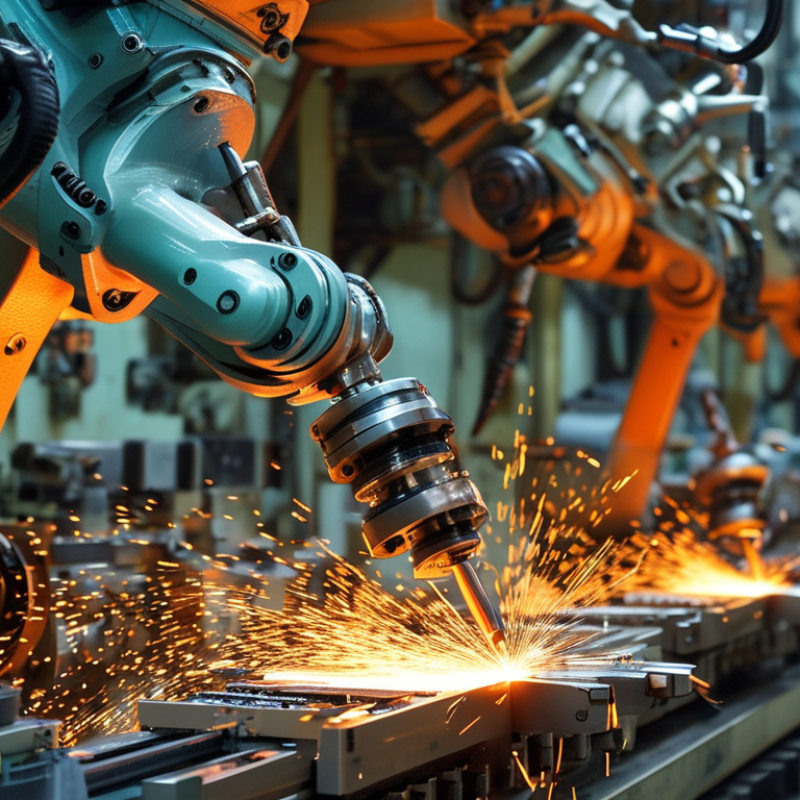
Understanding the basics of machine fabrication processes is fundamental to improving efficiency. Machine fabrication encompasses various techniques such as cutting, welding, and assembling materials. According to a report by the Manufacturing Institute, streamlining these processes can lead to a 20% increase in productivity. These efficiencies can significantly impact overall production schedules and costs.
In every fabrication process, quality control is paramount. Poor quality can lead to rework, which is time-consuming and costly. The American Society for Quality estimates that rework can add an extra 15-20% to labor costs. Investing time in understanding materials and methods enhances the reliability of the end product. Yet, many companies overlook initial planning stages, resulting in delays and waste.
Adopting innovative technologies such as automation and advanced robotics is essential. The adoption of such technologies can improve precision, reducing human error. However, it also requires upskilling of workers, presenting a challenge. Not every organization is prepared to make this shift, highlighting a gap that needs addressing. Reflecting on these aspects can help manufacturers identify opportunities for better practices, ultimately fostering a culture of continuous improvement in the fabrication sector.
Assessing the Importance of Planning in Fabrication Efficiency
Planning plays a crucial role in the efficiency of the machine fabrication process. Without a clear strategy, projects can easily derail.
Miscommunication often arises when teams are unprepared. This can lead to costly delays and wasted resources. Spending time on a detailed plan can prevent these issues.
A well-structured approach creates a roadmap for all involved.
Effective planning not only defines tasks but also aligns team members. A shared understanding improves collaboration.
Teams can identify potential challenges early. For instance, assessing available technology and materials ensures everyone knows their responsibilities.
Ignoring this step often results in mismatched expectations.
Furthermore, reflecting on past projects can enhance future planning. Analyzing what worked and what didn’t helps refine strategies.
Over time, teams develop a stronger sense of what aspects require more attention. Reviewing and adapting plans is essential.
This ongoing process fosters continuous improvement in fabrication efficiency.
Implementing Effective Tools and Technologies in Fabrication
Efficient machine fabrication relies heavily on the right tools and technologies. Integrating automation can significantly enhance production speed. Automated systems like CNC machines reduce human error, resulting in precise cuts and designs. However, understanding how to calibrate and maintain these systems is crucial. Inexperienced handling can lead to costly mistakes.
Software solutions also play a vital role. Advanced software can streamline design processes. Utilizing CAD or CAM programs allows for better visualization of parts. Still, users must be trained adequately to use these tools. Overlooking training can lead to inefficient workflows and misguided designs.
Data analytics tools are essential for optimizing production schedules. Monitoring machine performance can highlight bottlenecks. Yet, data interpretation is not straightforward. Misreading data might result in poor decision-making. Continual improvement in interpreting this data is necessary for sustained efficiency. Integrating emerging technologies requires a thoughtful approach, blending innovation with practical knowledge.
Top 5 Tips for Efficient Machine Fabrication Process
| Tip |
Description |
Tools/Technologies |
Benefits |
| 1. Utilize CNC Machining |
Employ Computer Numerical Control (CNC) to enhance precision in fabrication. |
CNC Machines |
Increased accuracy and reduced waste. |
| 2. Implement Lean Manufacturing |
Minimize waste and maximize productivity through Lean principles. |
Lean Tools (Value Stream Mapping, 5S) |
Improved efficiency and reduced costs. |
| 3. Incorporate Automation |
Use robotic systems to automate repetitive tasks. |
Industrial Robots |
Higher productivity and reduced labor costs. |
| 4. Invest in Advanced Materials |
Select high-performance materials to enhance product quality. |
Composite Materials, Alloys |
Better durability and performance characteristics. |
| 5. Utilize CAD Software |
Design products using Computer-Aided Design (CAD) for precise modeling. |
CAD Programs (AutoCAD, SolidWorks) |
Enhanced design accuracy and collaboration. |
Streamlining Workflow to Minimize Downtime and Waste
Streamlining workflow in machine fabrication is crucial to minimize downtime and waste. One effective strategy is implementing Lean Manufacturing principles. These principles focus on reducing waste at every step of production. By identifying and eliminating non-value-added activities, teams can optimize their processes. For example, mapping workflows can reveal bottlenecks. Observing these steps closely helps to refine the process.
Another key tactic is regular maintenance of machinery. Equipment failures can lead to unexpected downtime. Establishing a predictive maintenance schedule ensures machinery remains operational. This approach combines data analytics with hands-on checks. However, it is essential to train staff properly. Skills gaps can hinder efficient maintenance.
Collaboration within teams is equally important. Sharing insights can enhance problem-solving capabilities. An open communication channel promotes a culture of continuous improvement. It’s valuable to reflect on what methods are not yielding the expected results. Embracing feedback leads to adjustments that drive performance. Efficiency is an ongoing challenge, and evolving processes can refine outcomes over time.
Ensuring Quality Control Throughout the Fabrication Process
Quality control is essential in the machine fabrication process. It ensures that each component meets stringent specifications. Proper inspection techniques help identify defects early. This minimizes waste and saves both time and resources. Every step in the fabrication process should be monitored closely. Regular checks can prevent costly errors later.
Training employees on quality standards is vital. Knowledgeable staff can better recognize and address potential issues. Implementing standard operating procedures creates consistency. Such routines make it easier to maintain quality. Documenting every inspection detail adds an extra layer of reliability. It allows for tracking improvements over time.
Frequent assessments can reveal areas needing refinement. Sometimes, unexpected problems emerge on the shop floor. Reflecting on these instances can drive better practices. Engaging team feedback can also uncover valuable insights. By addressing imperfections collectively, organizations promote a culture of quality. This proactive approach benefit the entire fabrication process.