How to Find Reliable Aluminum Parts Manufacturing Suppliers?
Finding reliable aluminum parts manufacturing suppliers is crucial for various industries. High-quality aluminum components can enhance product durability and performance. However, the search for trustworthy suppliers can be challenging. Many businesses make the mistake of prioritizing cost over quality. This often leads to subpar products that can impact their reputation.
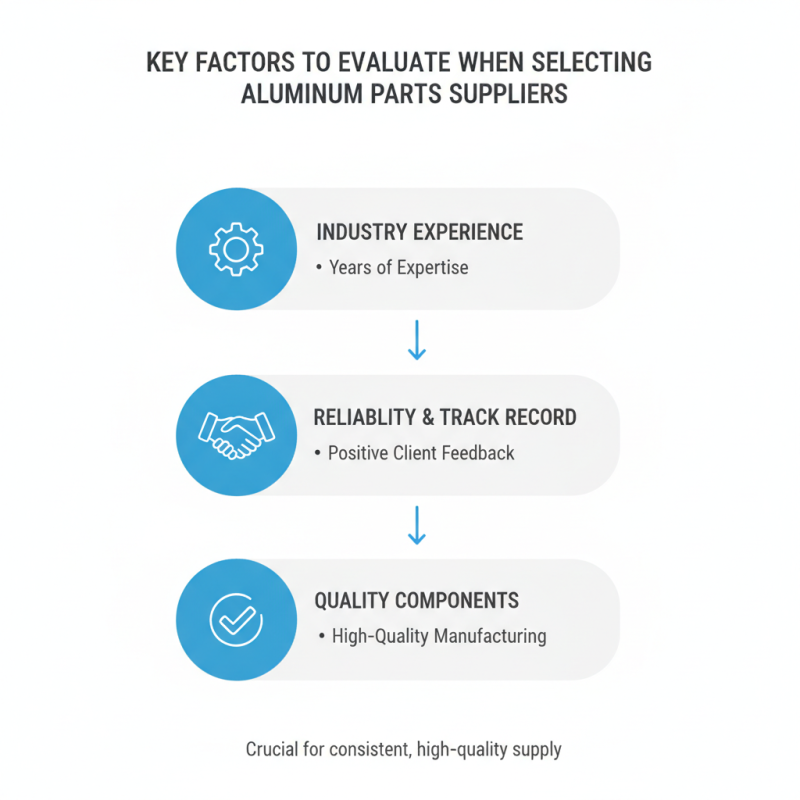
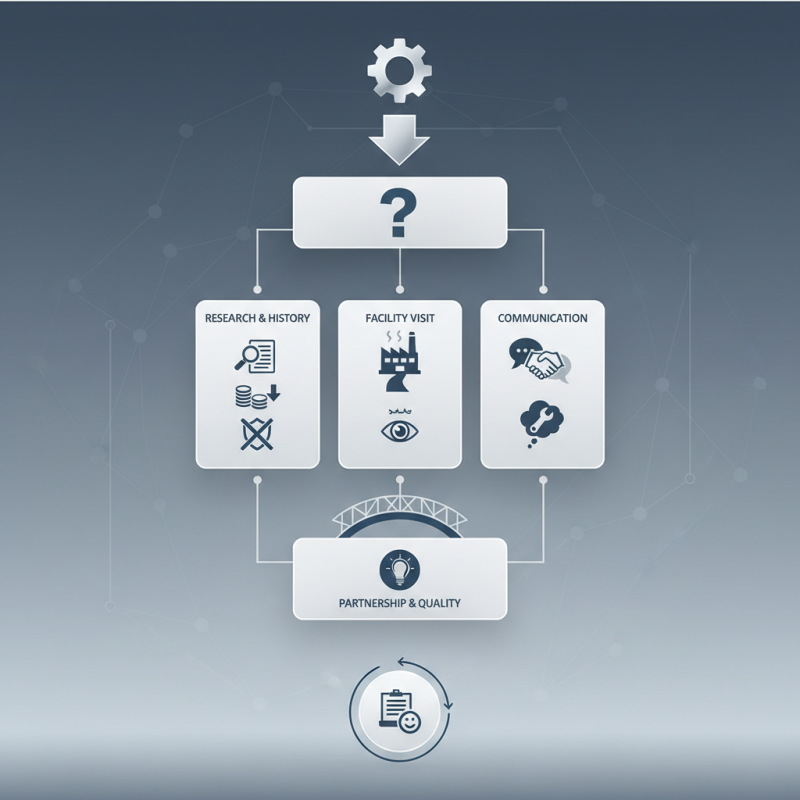
In the world of aluminum parts manufacturing, expertise and experience matter. A supplier’s track record can indicate their reliability. Researching their history, customer reviews, and certifications is essential. It’s also wise to visit their facilities, if possible. This hands-on approach allows you to assess their production capabilities firsthand.
Many companies overlook the importance of communication. Strong communication with suppliers fosters a better understanding of requirements. This can prevent costly mistakes down the line. Ultimately, finding the right supplier involves careful consideration and sometimes learning from past errors. These steps will lead you closer to establishing a profitable and dependable partnership in aluminum parts manufacturing.
Understanding the Importance of Reliable Aluminum Parts Suppliers in Manufacturing
Reliable aluminum parts suppliers are essential in the manufacturing industry. They ensure that components meet quality standards and performance requirements. A dependable supplier can help prevent delays and cost overruns. It is important to establish a relationship with suppliers who understand your specific needs.
Tip: Research potential suppliers through industry forums and reviews. This will give you insights into their reliability and customer service. Don’t hesitate to ask for references or case studies that demonstrate their experience in aluminum parts manufacturing.
Quality control is another crucial factor. Suppliers should have robust processes to monitor production quality. This minimizes defects and ensures consistency. Additionally, consider their ability to adapt to changes in demand. An inflexible supplier may hinder your operations.
Tip: Request samples from suppliers to evaluate their work. This hands-on approach helps assess material quality and craftsmanship. It’s a simple yet effective way to identify who meets your standards.
While some suppliers may appear perfect on paper, practical experience can reveal flaws. Trust your instincts and conduct thorough evaluations. An experienced supplier can provide invaluable insights and long-term partnerships. Aim for a collaborative relationship that allows for mutual growth.
Industry Standards and Certifications for Aluminum Parts Manufacturers
When searching for reliable aluminum parts manufacturing suppliers, industry standards and certifications are crucial. These benchmarks ensure that manufacturers meet quality and safety requirements. A supplier's adherence to standards like ISO 9001 can indicate a commitment to quality management systems. Similarly, ISO 14001 highlights their focus on environmental impact, which is increasingly important to consumers.
Tips: Always verify the certifications of potential suppliers. Look for updated documentation and ask about their quality control processes. Engaging in conversations about their practices can reveal their commitment to quality.
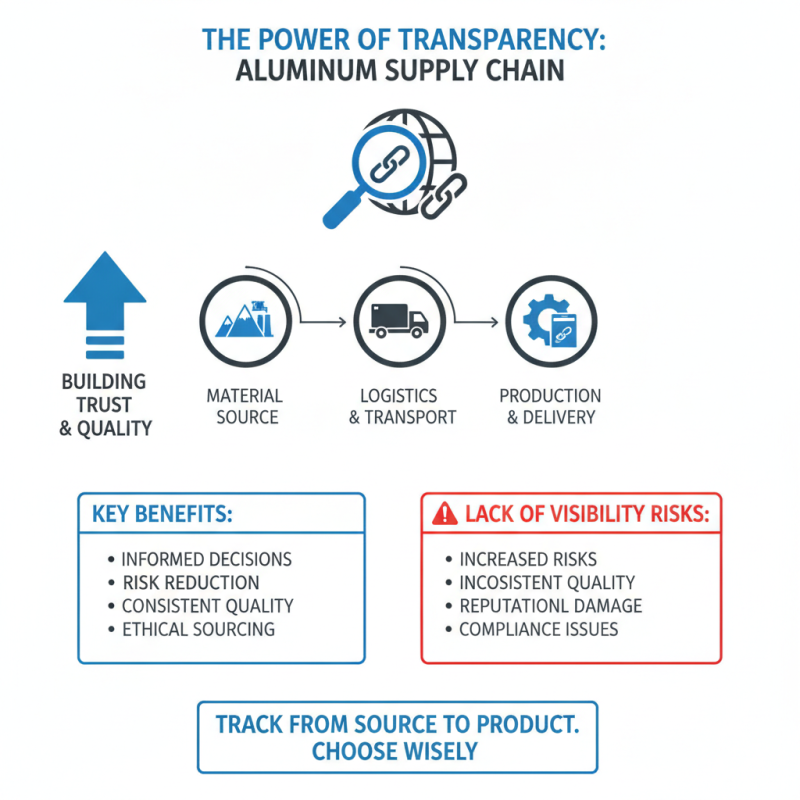
In addition to certifications, understanding compliance with industry-specific regulations is essential. For instance, aerospace components must meet AS9100 standards. Suppliers should be transparent about their processes and inspections. This transparency builds trust and assures you of their reliability.
Tips: Request references from previous clients. Partnering with suppliers who have a strong track record can mitigate risks. You might discover that not all certifications are equal; some may be outdated or not fully implemented. An informed selection process will help you find dependable partners.
How to Find Reliable Aluminum Parts Manufacturing Suppliers? - Industry Standards and Certifications for Aluminum Parts Manufacturers
| Supplier Type |
Key Certifications |
Quality Standards |
Region |
Specialization |
| Domestic Manufacturer |
ISO 9001, AS9100 |
ASTM B221, ISO 1496 |
North America |
Aerospace Components |
| International Supplier |
ISO 13485, RoHS |
MIL-STD-105, ISO 9001 |
Europe |
Medical Applications |
| Local Workshop |
N/A |
ASTM B241 |
Asia |
Custom Fabrication |
| Large Scale Manufacturer |
IATF 16949 |
ISO 14001, ASTM B557 |
Global |
Automotive Parts |
Analyzing Supplier Reliability through Performance Metrics and Reviews
When searching for reliable aluminum parts manufacturing suppliers, analyzing performance metrics is crucial. Metrics such as on-time delivery, defect rates, and customer service response times offer valuable insights. For instance, a supplier that consistently meets delivery deadlines demonstrates operational efficiency. A high defect rate, on the other hand, raises concerns about quality control.
Reviews provide additional context. Hearing from other clients sheds light on a supplier's reliability. Look for patterns in feedback. A single negative review might not be significant, but recurring complaints about similar issues warrant further investigation. Pay attention to the responses from suppliers as well. Timely and constructive replies indicate a commitment to customer satisfaction.
Consider engagement in industry forums and discussions. Some suppliers might have a good reputation that doesn't translate well into performance. Gathering diverse opinions and experiences can help paint a clearer picture. This research requires time and critical evaluation, but the effort pays off. Suppliers that prioritize transparency and consistently meet expectations tend to be more trustworthy.