Choosing Injection Molding Equipment is a practical decision, not just a search for the lowest quoted price. China has manufacturers serving different production scales, from compact workshops to factories running multiple shifts. Their machines may look similar in a brochure. Performance can differ once a mold is installed and production begins.
This guide introduces leading Chinese manufacturers and the factors buyers can use to compare them. It considers machine range, clamping force, injection capacity, control systems, customization, and after-sales support. A specification sheet is useful, but it cannot show every detail. Details matter. Ask how the supplier tests equipment, sources key components, and handles service requests. If possible, review a sample cycle or speak with a current customer. These steps offer more insight than a polished product photo.
A machine suited to thin-wall packaging may not fit a precision component line. Not every machine fits. Buyers should match machine capacity to the mold, material, expected cycle time, and available floor space. This overview is a starting point, not a substitute for technical review. Manufacturer claims can be difficult to compare, and service quality may vary by location. Confirm specifications directly, request written terms, and assess the support available after installation. That extra work can feel slow. It may prevent costly surprises later.
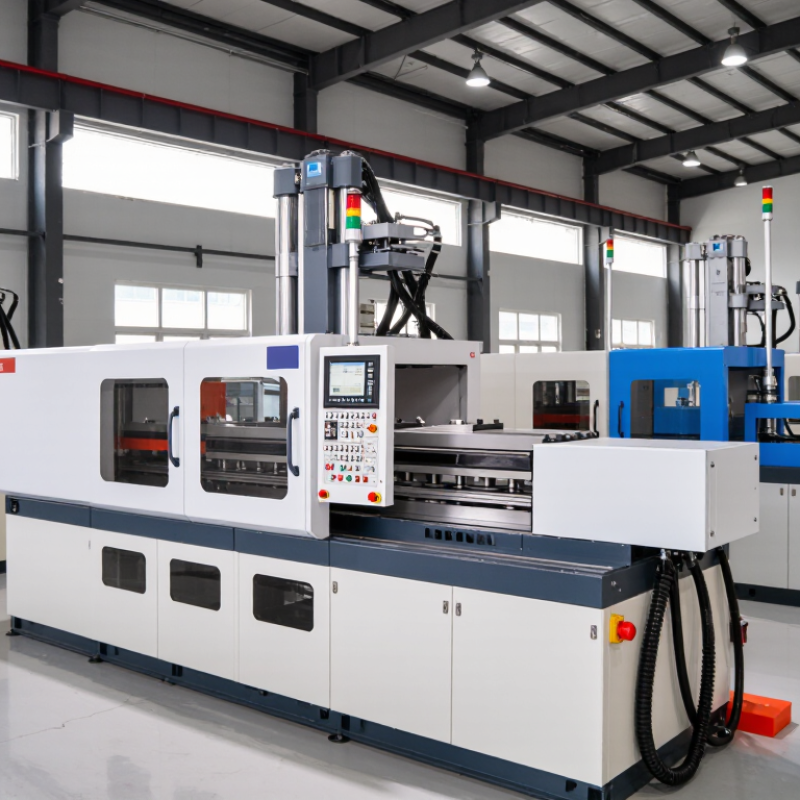
China’s injection molding equipment industry supports packaging, automotive, electronics, medical-device, and household-goods production. Manufacturers offer hydraulic, all-electric, and hybrid presses, often alongside robots, dryers, temperature controllers, and material-feeding systems. A press is only one part of the production cell. Mold changes, resin handling, and cycle monitoring also affect output.
The market includes export-oriented factories and smaller regional suppliers. Capabilities vary, so buyers should compare more than clamping force or advertised cycle time. Ask for repeatability data, energy use under a defined cycle, service response times, spare-parts access, and mold-trial support. A 200-ton machine can perform differently with different materials and tooling. Details matter.
Automation is growing, but not every production line needs a robot. For short runs, flexible setup may matter more than maximum speed. For high-volume work, stable temperature control and consistent part weight can help limit scrap. Request sample runs with the intended resin and mold, then review the measurements. Specifications help, but production-floor evidence is better. Published figures may not reflect maintenance interruptions or operator experience. That deserves scrutiny.
Evaluating Chinese injection molding equipment manufacturers starts with measured performance, not brochure claims. Grand View Research valued the global injection molding machine market at USD 10.7 billion in 2023 and forecast 4.8% annual growth through 2030. That signals a growing sector, not consistent quality. Compare suppliers using the same resin, mold, and cycle conditions. Request records for shot-weight variation, melt-temperature stability, clamp-force calibration, and energy use per kilogram. Small differences matter. A few grams of variation can create rejects across a long production run.
Check how each manufacturer tests and supports its machines. ISO 20430:2020 specifies safety requirements for injection molding machines; ask for documentation and inspect guarding, interlocks, and emergency stops during a factory visit. A clean demonstration can still hide limits. Witness a run with your mold, and ask how performance changes after continuous operation. Review spare-part availability, commissioning plans, control-system compatibility, and response times for technical support. Ask for references from comparable applications, but verify them directly. One weakness in this checklist: a short trial cannot predict every production shift, so confirm acceptance criteria before ordering.
Leading injection molding equipment manufacturers in China are judged by more than machine price or clamping force. Buyers should examine how consistently a press controls temperature, pressure, and injection speed across repeated cycles. Ask for cycle-time data using a mold and resin similar to your own. A clean, well-lit test area helps, but documented results matter more. Small details matter.
A capable manufacturer can explain screw design, platen rigidity, and energy use in practical terms. Check whether the control interface records alarms and process settings, and whether spare parts are available for the equipment’s expected service life. Request a factory acceptance test with sample parts. Measure their weight and dimensions, then inspect for flash, sink marks, or uneven surfaces. Not every factory excels.
Service quality deserves equal attention. Clarify response times, remote troubleshooting options, installation support, and operator training before signing an order. Ask how technicians handle recurring faults, not just new-machine setup. A supplier may offer impressive specifications yet provide uneven follow-through; that possibility should be discussed openly. The right choice depends on part geometry, annual output, available floor space, and local maintenance skills. No single machine configuration suits every production line, and buyers may need to revise their assumptions after seeing real sample parts.
Chinese injection molding equipment manufacturers offer several machine types for different part sizes, materials, and production volumes. Hydraulic presses remain common for large clamping forces and demanding molds. All-electric machines use servo-driven systems for precise movement and can reduce energy use during suitable cycles. Hybrid models combine hydraulic force with electric control. The trade-off is real. Buyers should compare cycle data under their own operating conditions, not rely on catalog figures alone.
Vertical machines suit insert molding, where an operator or robot places metal components into a mold. Two-platen designs can save floor space on larger machines, while multi-component presses support parts made with different materials or colors. For small technical parts, manufacturers may offer compact machines with fine injection control. These options are not interchangeable; mold layout and part geometry matter.
Common technologies include closed-loop pressure and speed control, servo pumps, temperature regulation, and automated part removal. A stable process often depends on details such as melt temperature, mold cooling, and screw design. Some systems also record cycle data for quality checks. Useful, but not magic. Ask suppliers for sample-part trials, measured repeatability, and service response times. Even a well-equipped press can struggle when the mold or process settings are poorly matched.
| Machine Type | Typical Clamping-Force Range | Drive and Clamping System | Common Technologies and Features | Typical Applications |
|---|---|---|---|---|
| Hydraulic injection molding machines | Approximately 50–6,500 tonnes, depending on model | Hydraulic pump and cylinder systems; toggle or direct clamping designs | Servo-pump options, adjustable injection and holding-pressure settings, proportional control, and a broad range of screw and barrel configurations | General-purpose molded parts, household goods, automotive components, and large industrial products |
| All-electric injection molding machines | Approximately 30–1,300 tonnes, depending on model | Electric servo motors drive the injection, plasticizing, clamping, and ejection movements | Precise motion control, repeatable shot dosing, low hydraulic-oil use, energy-efficient operation, and support for clean production environments | Precision components, electronic parts, medical-related products, and small molded parts |
| Hybrid injection molding machines | Approximately 100–4,000 tonnes, depending on model | Combines electric servo drives for selected movements with hydraulic power for other functions | Servo-hydraulic systems, configurable drive combinations, reduced energy use compared with conventional fixed-pump systems, and high-speed options | Packaging, automotive parts, consumer products, and applications requiring a balance of speed and clamping force |
| Two-platen machines | Approximately 800–6,500 tonnes, depending on model | Two-platen clamping structure with hydraulic clamping and mold-locking mechanisms | Compact machine footprint for high clamping forces, short mold-opening stroke options, and configurations for large molds | Large automotive parts, appliance housings, crates, pallets, and other large molded products |
| Vertical injection molding machines | Approximately 15–500 tonnes, depending on model | Vertical clamping layout; available with hydraulic, electric, or hybrid drive systems | Insert-molding configurations, rotary or shuttle tables, and layouts that allow gravity-assisted insert placement | Electrical connectors, metal-insert components, cable assemblies, and small precision parts |
| Multi-component injection molding machines | Approximately 100–3,000 tonnes, depending on model and configuration | Multiple injection units paired with a shared clamping system; horizontal or vertical arrangements are available | Two- or multi-material molding, rotary-table or index-plate systems, sequential injection, and overmolding configurations | Two-color consumer products, soft-touch components, seals, and parts combining rigid and flexible materials |
| PET preform injection molding machines | Model-specific; selected systems are commonly designed for high-cavity production | Typically high-speed hydraulic or hybrid systems matched to specialized preform molds | High-speed injection, precise temperature control, hot-runner mold compatibility, and integration with preform handling and downstream equipment | PET bottle preforms for water, beverage, food, and household-product packaging |
Top Injection Molding Equipment Manufacturers in China
Choosing a Chinese equipment supplier starts with your part, not a machine brochure. Share the resin, shot weight, mold dimensions, expected cycle time, and annual output. Ask the supplier to explain how clamp force and injection capacity match those requirements. A machine that looks suitable on paper may behave differently with your mold. Small details matter.
Check repeatability, control-system functions, energy use, floor-space needs, and access to maintenance components. Request technical documents in clear English, including electrical diagrams and operating instructions. A factory acceptance test using a comparable mold and material can reveal setup issues before shipment. Ask who handles installation, operator training, and troubleshooting across time zones. References from customers with similar products are useful, though they cannot guarantee your own results.
Tips: Put performance targets in writing. Confirm spare-part lead times and warranty terms. Ask for a test report with measured cycle time and part quality. If an answer feels vague, ask again; supplier communication can be uneven, and that is worth noticing. Keep room in your schedule for adjustments.
Suggested supplier evaluation weighting — a practical framework for comparing suppliers, not measured market data.
Prioritize application fit, product quality, and after-sales support when evaluating suppliers. Adjust these suggested weights to match your production requirements, budget, and local service needs.