Top 10 Steel Fabrication Machinery Essential for Every Workshop
In the world of metalworking, steel fabrication machinery plays a crucial role. Every workshop needs the right tools to ensure efficiency and precision. Without proper equipment, tasks can become difficult and time-consuming. Steel fabrication involves various processes like cutting, bending, and assembling.
A well-equipped workshop not only enhances productivity but also improves the quality of work. Each piece of machinery serves a specific purpose, and neglecting any could lead to challenges. For example, a cutting machine is essential for shaping steel accurately. However, the choice of machinery can be overwhelming. It's important to consider what your workshop specifically needs.
Investing in steel fabrication machinery requires careful thought. Not all machines fit every task. Sometimes, opting for multifunctional tools can be beneficial. Yet, this may lead to a compromise in specialized performance. Ultimately, finding the right balance between versatility and precision is key for any workshop.

Essential Functions of Steel Fabrication Machinery in Workshops
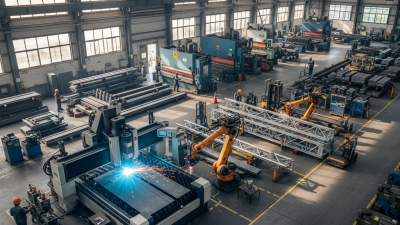
Steel fabrication machinery plays a vital role in the efficiency and productivity of any workshop. These tools help transform raw materials into final products, making them indispensable. Each machine serves a unique purpose, from cutting to welding. For instance, a plasma cutter provides precision that manual tools cannot match. Its ability to slice through thick steel sheets can save time and reduce material waste.
Welding machines are equally crucial. They join metal pieces seamlessly, ensuring durability. However, improper usage can lead to weak joints. Workshops must emphasize training on these machines. Machines like shears and brakes aid in shaping metal. While they are essential, operators must be cautious to prevent accidents. Safety is paramount, but often overlooked during busy hours. Regular maintenance of machinery is also essential. Neglect can lead to breakdowns, causing delays and frustration.
Incorporating these machines optimally is a continuous learning process. Workshops should always evaluate their workflows. Sometimes relying too heavily on automation can create gaps in skills among workers. While technology advances rapidly, human insight remains important. Balancing both is challenging yet necessary for success.
Top 10 Steel Fabrication Machinery Essential for Every Workshop - Essential Functions of Steel Fabrication Machinery in Workshops
| Machine Type |
Primary Function |
Key Features |
Typical Applications |
| CNC Plasma Cutter |
Precise Cutting |
High accuracy, programmable |
Sheet metal cutting, sign making |
| Laser Cutter |
High-precision cutting |
Minimal kerf width, automation |
Fine detail work, intricate designs |
| Sheet Metal Brake |
Bending Sheet Metal |
Adjustable angle, heavy-duty |
Creating angles, channels, boxes |
| Welding Machine |
Joining Metals |
Various processes (MIG, TIG, Stick) |
Fabricating components, repairs |
| Metal Shear |
Cutting Thick Metals |
Heavy-duty blades, adjustable speed |
Straight cuts, repetitive cutting tasks |
| Notcher |
Making Cuts and Notches |
Quick and easy notching |
Pipe joints, structural framing |
| Belt Sander |
Smoothing and Finishing |
Variable speed, durable belts |
Metal finishing, weld preparation |
| Drilling Machine |
Drilling Holes |
High RPM, various chuck sizes |
Creating holes for fasteners |
| Angle Grinder |
Grinding and Polishing |
Handheld, versatile attachments |
Surface preparation, weld smoothing |
Key Types of Steel Fabrication Machinery Every Workshop Should Have
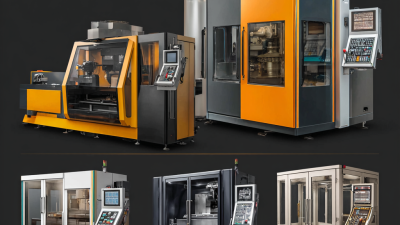
In any steel fabrication workshop, certain machinery is indispensable. For instance, a laser cutting machine is crucial for precision cutting. According to a recent industry report, over 70% of workshops prioritize this equipment. It allows for intricate designs with minimal material waste. However, the initial investment can be daunting for small businesses.
Another key type of machinery is the bending machine. Each workshop needs one for shaping metal components to specifications. The demand for custom bends has increased by 40% over the past few years. Yet, many workshops fail to maintain these machines properly, leading to inefficiencies. Regular checks and maintenance are essential.
Additionally, welding machines are foundational tools in steel fabrication. They are necessary for joining metal parts. A significant number of workshops report that improper welding techniques lead to 30% of their project rework. This statistic highlights the importance of skilled operators. Investing in training can minimize waste and improve project outcomes.
Top 10 Steel Fabrication Machinery Essential for Every Workshop
Understanding the Features of Critical Steel Fabrication Equipment
When it comes to steel fabrication, understanding the features of essential machinery is crucial. A plasma cutter, for example, offers precision cutting. Its ability to handle various thicknesses makes it versatile for different projects. However, users often struggle with settings. Finding the right speed and amperage can be challenging.
A metal brake is another vital piece of equipment. It bends sheets quickly and accurately. This tool can save time, but achieving consistent angles requires practice. Many users find their first attempts less than perfect. Regular calibration is needed to maintain accuracy.
Lastly, a shear plays a significant role in steel fabrication. It cuts large sheets into manageable sizes. The ease of operation is a major benefit. However, the quality of cut edges can vary depending on blade condition. Routine maintenance is essential for optimal performance. Understanding these machines deeply can lead to improved outcomes in the workshop.
Maintenance Practices for Steel Fabrication Machinery Efficiency
In the steel fabrication industry, proper maintenance of machinery is crucial. According to a report from the Fabricators and Manufacturers Association, unexpected downtime can lead to a production loss of over 25%. Regular maintenance practices can reduce this risk significantly. Investing in a systematic maintenance schedule keeps machinery running smoothly. It ensures the longevity of equipment and improves safety.
Routine inspections are necessary. Equipment should be visually checked for signs of wear and tear. Lubrication schedules must be adhered to strictly. Ignoring these practices often leads to bigger problems. A lack of lubrication can cause machinery to overheat and fail. It is essential to document maintenance activities. This creates a history that can help identify patterns and potential issues.
Training staff on maintenance practices is also vital. They should understand the importance of their roles. Small actions can prevent significant issues. A survey indicated that skilled operators can reduce machine breakdowns by 40%. However, many workshops neglect this aspect. Investing in human capital can yield better performance and fewer disruptions. Regular maintenance combined with skilled staff creates a productive environment.