Top 10 Aluminum Parts Manufacturing Companies in China
China’s aluminum parts manufacturing sector serves industries that demand light weight, repeatable quality, and dependable delivery. Its suppliers use processes such as die casting, extrusion, CNC machining, and surface finishing. Choosing a manufacturer is not just a matter of comparing prices. Buyers also need to assess tooling capability, material traceability, inspection methods, and experience with the intended application. Details matter.
This guide introduces ten companies for closer evaluation, rather than declaring a universal winner. A useful comparison looks at production range, engineering support, quality controls, communication, and export experience. Ask how a supplier manages dimensional tolerances, handles surface defects, and documents inspection results. Where possible, review sample parts and audit the process behind them. Casting authority John Campbell has written, “The quality of a casting is determined by the quality of the liquid metal from which it is made.” That principle points to a practical lesson: reliable parts depend on disciplined control, not just modern equipment.
The list can help procurement teams build a shortlist, but it cannot replace project-specific checks. A company suited to a high-volume automotive order may not fit a small, complex prototype. That distinction matters. Supplier information can also change, and published claims deserve verification. The right partner should explain its capabilities clearly, identify realistic limits, and support those claims with evidence. Use the profiles ahead as a starting point for informed questions—not as a substitute for technical due diligence.
Scope of Aluminum Parts Manufacturing in China
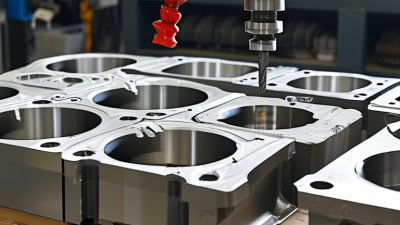
China’s aluminum parts manufacturing scope extends from material selection and billet preparation to machining, finishing, and inspection. Manufacturers work with common alloy families for different balances of strength, weight, corrosion resistance, and machinability. A typical order might involve a sawn aluminum block, CNC milling, deburring, and a measured surface finish. Small details matter.
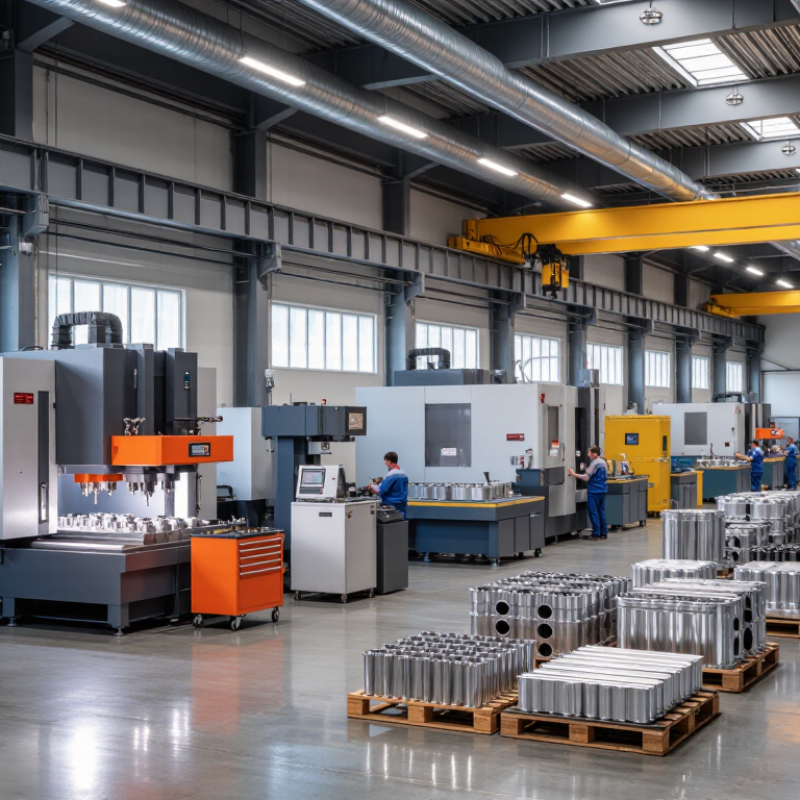
Available processes can include die casting, extrusion, sheet forming, turning, milling, drilling, and surface treatments such as anodizing. The right method depends on geometry, order volume, tolerance, and intended use. A thin-walled housing, for example, requires different planning from a solid machined bracket. Some parts need close dimensional checks; others prioritize appearance or fast production. Capabilities vary between facilities, so assumptions can be costly.
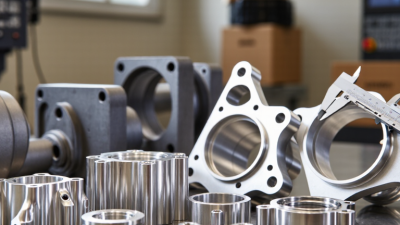
Aluminum components serve transportation, electronics, industrial equipment, lighting, and consumer products. Buyers can assess suppliers by reviewing sample parts, measurement reports, material traceability, and process controls. Ask how critical dimensions are inspected and how changes are handled after a drawing revision. A polished sample alone is not enough. Even with clear specifications, production can reveal awkward features or unnecessary machining; early design feedback helps, though it does not guarantee a perfect first run.
Criteria for Selecting the Top 10 Manufacturers
Selecting China’s top aluminum parts manufacturers requires evidence beyond production scale. The National Bureau of Statistics’ 2023 Statistical Communiqué reported 41.59 million tonnes of electrolytic aluminum output in China. That figure shows the depth of the country’s supply base, but it cannot confirm a factory’s machining accuracy or delivery reliability. Ask for evidence. Review sample inspection reports, alloy certificates, and traceability records linked to actual orders. Check whether the supplier can hold specified tolerances across repeated batches, not just one demonstration part. A polished brochure is not proof.
Process fit matters. Compare each manufacturer’s casting, extrusion, CNC machining, heat-treatment, and surface-finishing capabilities against the part drawing. The International Aluminium Institute’s Aluminium Sector Greenhouse Gas Pathways to 2050 highlights the sector’s substantial emissions challenge, making energy use and recycled-content claims worth checking. Request measured data and the calculation scope; vague sustainability language is easy to overstate. Also assess defect rates, inspection equipment, corrective-action records, tooling ownership, and realistic lead times. Factory visits can reveal practical details, such as how parts are protected from scratches between machining and packing. No shortlist is perfect: public information may be incomplete, so mark unverified claims clearly rather than treating them as confirmed performance.
Profiles of Ten Leading Chinese Aluminum Parts Manufacturers
China’s aluminum parts manufacturers serve automotive, electronics, machinery, and construction markets. The International Aluminium Institute reported about 70.6 million tonnes of global primary aluminum production in 2023, with China accounting for roughly 41.5 million tonnes. This scale supports a broad supplier base, but raw-metal output alone does not prove machining quality.
The ten profiles are best compared by process strengths. Some suppliers specialize in high-pressure die casting, producing thin-walled housings with visible gate marks and draft angles. Others focus on CNC-milled brackets, extruded heat sinks, or forged structural parts. A capable shop should explain its alloy choice, tolerance limits, inspection method, and finishing sequence. Ask for sample measurements, not just polished product photos. That detail matters.
Look for evidence of repeatable production: documented incoming-material checks, calibrated gauges, and traceable inspection records. The China Association of Automobile Manufacturers reported 30.16 million vehicle sales in 2023, reflecting a substantial industrial customer base. Yet automotive volume does not guarantee a supplier’s fit for every project. Some factories are strong at prototypes but less consistent at scale; others may have impressive equipment and uneven communication. A site audit can reveal both.
Comparison of Manufacturing Processes and Capabilities
China’s aluminum parts manufacturers use several processes, and their capabilities can differ even within the same category. CNC machining suits prototypes and complex features, such as threaded holes or curved pockets, but material removal can increase waste. Die casting supports high-volume production of detailed shapes; tooling costs and design changes need careful review. Extrusion creates consistent profiles, while sheet-metal fabrication works well for formed panels and brackets. Different strengths.
Compare more than quoted price. Check the supplier’s equipment, typical tolerances, inspection methods, and experience with your alloy and part geometry. Ask how sample parts are measured, and request inspection records for critical dimensions. A polished capability list is useful, but it cannot replace reviewing a real sample. Process comparisons are rarely tidy: a part may need machining after casting, adding time and cost.
Tips: Send the same drawing and annual quantity to each candidate. Ask for a process recommendation, expected lead time, and the limits behind any quoted tolerance. Confirm surface-finish requirements early; “smooth” can mean different things to different teams.
How to Evaluate Suppliers in China’s Aluminum Parts Industry
Evaluating an aluminum parts supplier starts with the drawing, not the sales brochure. Share a controlled 2D drawing and 3D model, then ask how the shop manages alloy, temper, and critical dimensions. A capable team should explain its process choice, such as CNC machining, extrusion, or die casting, and identify where tolerances may raise costs. Ask for evidence. Request a recent inspection report with measured values, instrument details, and the drawing revision listed. Check material traceability and whether certificates match the actual production batch, not just a sample document. Small details matter.
For a trial order, inspect parts under consistent conditions. Measure hole positions, flatness, and finish at several points; one attractive sample proves little. Ask how defects are logged, corrected, and prevented from recurring. Visit the facility if practical, or arrange a live video walk-through of production and inspection areas. Confirm capacity, tooling ownership, packaging, and realistic lead times in writing. A low quote can hide setup charges or limited inspection coverage. Easy to miss. Compare total delivered cost and the supplier’s response when specifications change. Even careful checks cannot remove every risk, so record assumptions and allow time for another sample round.
Evaluating China’s Aluminum Parts Suppliers: Alloy Strength Benchmarks
Representative tensile strength by aluminum alloy and temper (MPa)
These are representative published values, not universal acceptance limits; strength varies with product form and specification. When evaluating suppliers, verify material certificates and temper traceability, and assess dimensional control, process quality, and testing capability alongside alloy selection.