In the rapidly evolving manufacturing landscape, the role of fabrication machines is pivotal. These machines serve as the backbone of modern fabrication processes, driving efficiency and precision. As we look ahead to 2026, global buyers must stay informed about the latest advancements in this field.
Different fabrication machines cater to various industries, from automotive to aerospace. Buyers face the challenge of choosing the right equipment amidst a sea of options. Each machine holds unique features and capabilities, which can significantly impact production outcomes. It is not just about making a purchase; it's about making informed decisions that align with operational needs.
In this exploration of the top 10 fabrication machines, we delve into their functionalities, applications, and the future they promise. Understanding these machines deeply is essential for optimizing manufacturing processes. As advancements continue to shape the industry, buyers must reflect on their specific requirements and the potential of each fabrication machine.
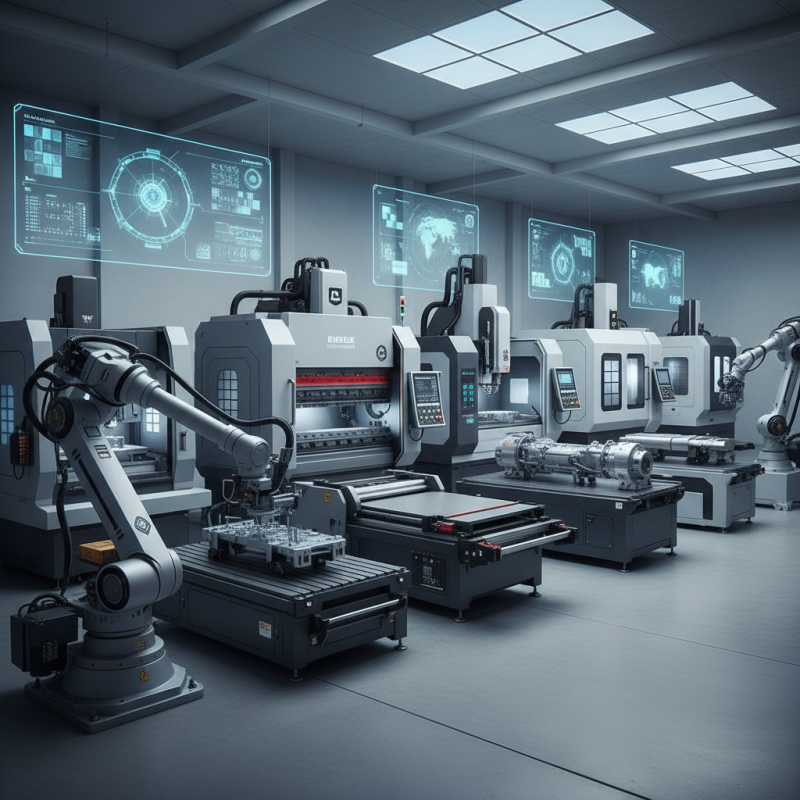
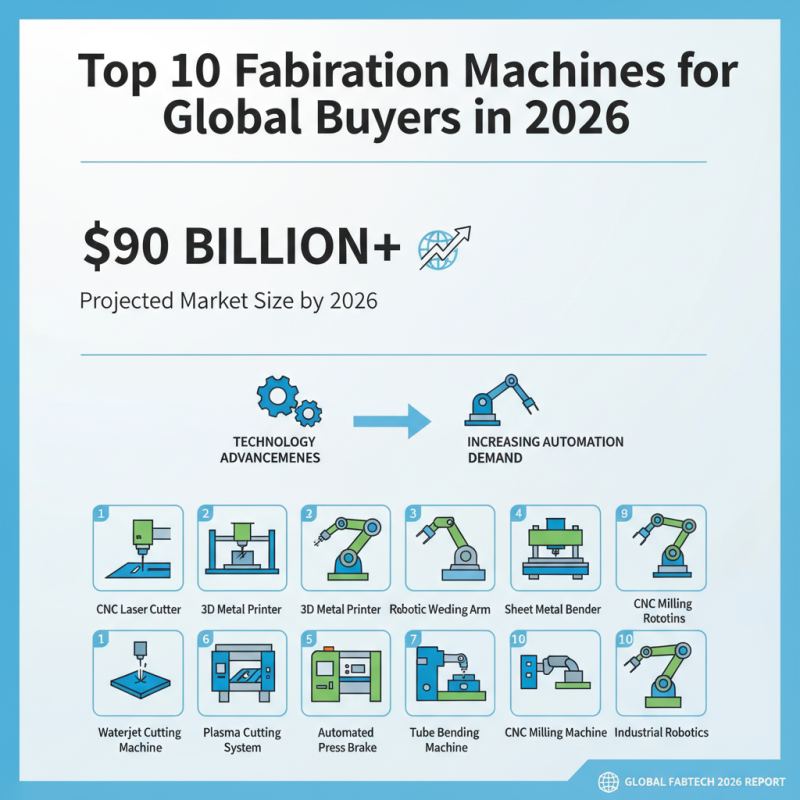
The global fabrication machinery industry is expected to witness significant growth by 2026. According to a recent industry report, the market size is projected to reach over $90 billion. Factors driving this growth include advancements in technology and increasing demand for automation.
For buyers, understanding the top machines in the market is vital. CNC routers, laser cutters, and 3D printers are leading the charge due to their versatility and precision. Beyond numbers, users report varying reliability levels. Some machines promise high-speed performance but often fall short in durability.
Moreover, the integration of smart technology in fabrication machines is intriguing yet challenging. While some machines offer real-time monitoring, not all users find them user-friendly. The rapid pace of innovation can overwhelm potential buyers. Balancing cost with capability remains a significant concern. Tracking reliable performance data helps mitigate risks.
Fabrication machines play a crucial role in various industries, including automotive, aerospace, and construction. They enable precise manufacturing and reduce production time. According to a study by MarketsandMarkets, the global fabrication machinery market is projected to reach $80 billion by 2026, growing at a CAGR of 4.5%. This growth highlights the increasing reliance on technological advancements in the manufacturing sector.
The importance of these machines cannot be overstated. They optimize workflows and enhance product quality. Approximately 70% of manufacturers report improved efficiency with modern fabrication machines. Investing in technology can lead to significant cost savings and better product outcomes. However, with rapid advancements, staying updated on the latest technologies is essential.
**Tip:** Research the latest industry trends. Regularly attending trade shows can provide insights into the newest machines.
The adoption of fabrication machines can pose challenges too. Companies might struggle with initial costs and skills training. Effective training programs for employees are necessary to leverage these advanced tools fully.
**Tip:** Prioritize employee training. A well-trained workforce can maximize technology usage and improve overall productivity.
| Machine Type | Key Features | Applications | Market Demand | Estimated Price Range |
|---|---|---|---|---|
| Laser Cutter | High precision, fast processing | Metal fabrication, signage | High | $10,000 - $150,000 |
| CNC Milling Machine | Multi-axis capabilities, versatile | Aerospace, automotive | Very high | $15,000 - $500,000 |
| 3D Printer | Additive manufacturing, flexible | Prototyping, custom parts | Increasingly high | $1,000 - $200,000 |
| Plasma Cutter | Fast cutting, various materials | Metal sheets, fabrication | Medium | $5,000 - $75,000 |
| Waterjet Cutter | Cold cutting, intricate shapes | Glass, stone, metals | High | $50,000 - $300,000 |
| Press Brake | Bending metal sheets, accurate | Sheet metal fabrication | Medium | $10,000 - $200,000 |
| Welding Machine | Robust joining, portable options | Construction, automotive | High | $500 - $10,000 |
| Robotic Arm | Automated processes, programmable | Assembly, welding | Increasingly high | $20,000 - $500,000 |
| Sheet Metal Shear | Efficient cutting, various thicknesses | Manufacturing, HVAC | Medium | $5,000 - $100,000 |
| Bending Machine | Flexible formation, precise control | Automotive, frame crafting | Medium | $8,000 - $150,000 |
When selecting fabrication machines, several critical criteria must be considered.
Performance reliability stands out as a top priority.
According to a 2023 industry report, 57% of manufacturers prioritize machines that offer consistent uptime and minimal maintenance needs.
This reliability ensures production flows smoothly without costly interruptions.
Another important factor is versatility. A machine that can handle various materials or processes offers significant advantages.
Recent studies indicate that 64% of global buyers favor machines with adaptive capabilities, allowing for configuration changes without major downtime.
This flexibility can enhance both efficiency and profitability.
Cost-effectiveness is equally vital.
Buyers must assess not only the initial investment but also long-term operational expenses.
Research suggests that 43% of industry professionals consider total cost of ownership as a determining factor.
Machines that combine energy efficiency with low maintenance costs provide better value.
While these criteria are essential, buyers should also reflect on their specific needs.
For some, the fastest process may not be ideal; for others, high precision might be paramount.
Balancing these aspects requires thoughtful evaluation to ensure the chosen machine aligns closely with operational goals.
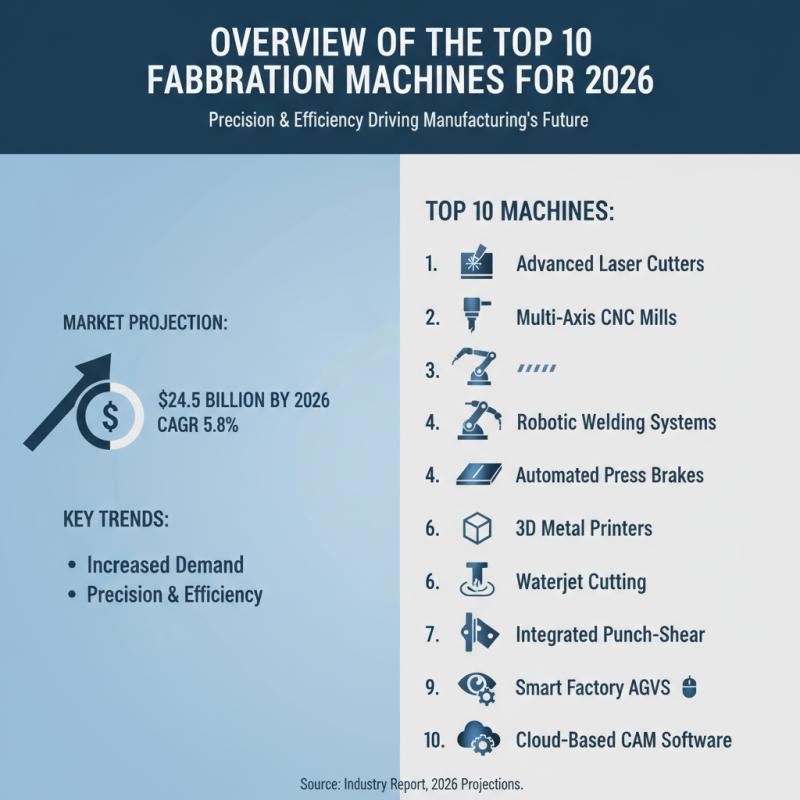
As the fabrication industry rapidly evolves, key machines are emerging that promise significant advancements by 2026. A recent report highlights that the market for fabrication machines is projected to reach $24.5 billion by 2026, growing at a CAGR of 5.8%. This growth reflects an increased demand for precision and efficiency in manufacturing processes.
Laser cutting machines continue to dominate the market. They provide exceptional accuracy and speed. In various applications, these machines can reduce material waste by up to 15%. However, the high initial cost can be a barrier for smaller manufacturers. Plasma cutting machines are gaining traction as a cost-effective alternative. They offer decent precision and are particularly suited for thicker materials. Yet, their quality can vary, requiring users to make careful choices.
Another area of interest is 3D printing technology. It is expected to revolutionize fabrication processes and reduce lead times. Industry leaders estimate that 3D printing could decrease production time by up to 50% for certain applications. Nevertheless, the materials used in these printers often face scrutiny regarding sustainability. Companies must consider the long-term impacts of their choices. The landscape is complex, requiring a careful evaluation of technology and its implications for the future.
As we look towards the future, the landscape of fabrication machines is changing rapidly. Emerging technologies are redefining how manufacturers approach production. Automation and artificial intelligence are increasingly common. These advancements promise enhanced efficiency and precision. But adapting to these innovations can be challenging.
To succeed, buyers must stay informed. Understanding machine capabilities is crucial. Knowledge about software integration and data analytics can make a big difference. As you explore options, consider not just the hardware but the ecosystem that supports it.
Tips for future buyers: Always ask about training and support. Investing time in learning the technology will pay off. Collaborate with experts in the field. Their insights can help navigate complex decisions. Also, reflect on your production needs often. What works today may not fit tomorrow’s demands. Making informed choices will lead to successful investments in fabrication technology.
The article "Top 10 Fabrication Machines for Global Buyers in 2026" provides a comprehensive analysis of the significance of fabrication machines in the manufacturing industry. It begins by introducing these machines and outlining their vital role in enhancing production efficiency and precision. The article then discusses the criteria that buyers should consider when selecting the best fabrication machines, including technology, durability, and cost-effectiveness.
Furthermore, the overview of the top 10 fabrication machines for 2026 is presented, highlighting innovative features that cater to evolving market needs. It also examines emerging technologies that are set to revolutionize fabrication processes in the future, emphasizing the importance of staying ahead of market trends and predictions for 2026. This summary underscores the dynamic landscape of fabrication machines and their pivotal role in shaping the future of manufacturing.