Top 5 Tips for Using Taxi Top LED Screen VST-B at Trade Shows?
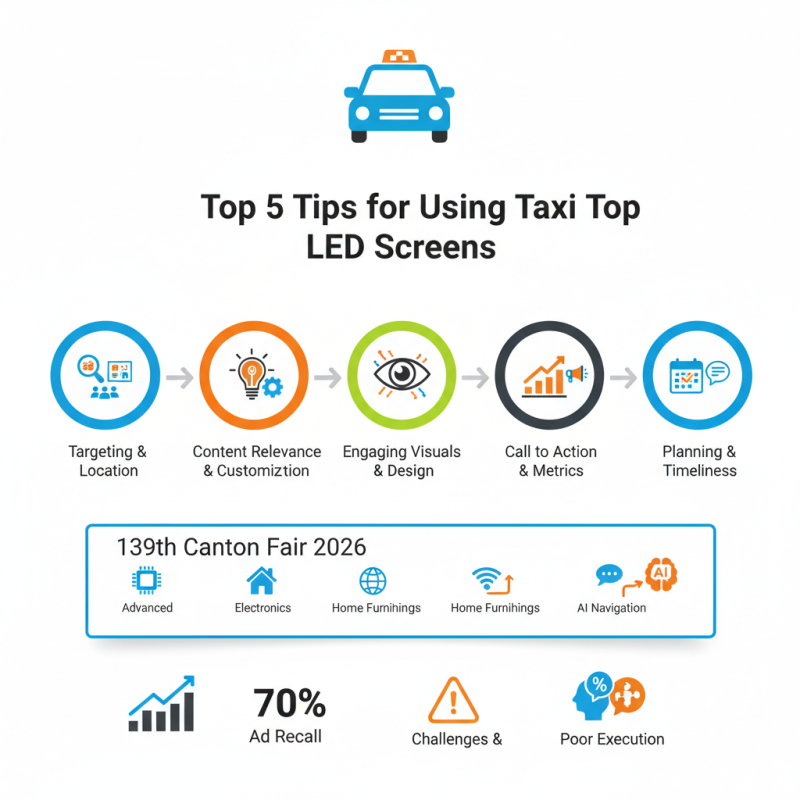
Trade shows have become essential for businesses in various industries. Effective advertising at these events is crucial. The Taxi Top LED Screen VST-B stands out as a compelling solution. It delivers vibrant visuals that can attract attention in crowded venues. According to industry reports, nearly 70% of trade show attendees recall ads seen on digital screens.
The upcoming 139th Canton Fair in 2026 will feature advanced technology. This event covers various sectors, including electronics and home furnishings. The introduction of AI navigation will enhance the experience. Attendees can efficiently find specific suppliers. This aligns with the need for innovative advertising methods. Using the Taxi Top LED Screen VST-B could tap into this trend.
However, it's essential to recognize challenges. Not every design or message will resonate. Businesses must tailor their content thoughtfully. Engaging visuals are vital, but poor execution may lead to missed opportunities. The Taxi Top LED Screen VST-B offers potential, but success depends on strategic use. Careful planning and creativity can ensure it captures the desired audience's attention.
Understanding the Benefits of Taxi Top LED Screen VST-B for Trade Shows
Using taxi top LED screens at trade shows can enhance visibility and attract a crowd. These screens are dynamic, making them perfect for promoting your brand. It's crucial to understand their benefits for maximizing impact.
One major advantage is visibility. The taxi top screen is elevated, making it hard to miss. This height attracts attention from potential customers. Bright colors can make your message stand out. It’s unusual but effective. However, not every design works. Ensure clarity in your text. Complicated visuals can confuse viewers. Keep it simple, yet engaging.
When using these screens, timing is essential. Schedule your display during peak hours. This maximizes exposure. It’s frustrating when ads run when few people are around. Also, consider location strategically. The right streets or areas can enhance reach. Test different placements and analyze results. Not all spots will yield the same response. Understanding what works is key for improvements.
Choosing the Right Location for Optimal Visibility of VST-B Screens
Choosing the right location for your VST-B screens is crucial for trade shows. The visibility of your message can significantly impact engagement. Consider high-traffic areas where attendees gather. Placing your screen near entrances or food courts can draw attention. People are naturally drawn to vibrant displays.
Think about lighting as well. A well-lit area enhances screen visibility. Avoid spots that are too dim or overcrowded. If light is an issue, adjust the brightness settings on your screen. Test this in advance. Shadows created by nearby booths could obscure your display.
Placement isn't just about visibility. It’s about context too. Your screen should complement your booth's theme or product. An awkward placement might confuse viewers. Take time to find the optimal angle. Revisit your setup after some hours. Are people stopping? Are they engaging? These reflections can guide adjustments and improve your visibility strategy.
Top 5 Tips for Using Taxi Top LED Screen VST-B at Trade Shows
This bar chart illustrates the optimal visibility of VST-B screens based on various locations at trade shows. The data represents the percentage of visibility for each chosen location, highlighting where screens are best placed for maximum impact.
Designing Eye-Catching Content for Your VST-B LED Displays
Creating engaging content for your VST-B LED displays at trade shows can attract the right attention. Use bold colors and dynamic graphics. High contrast captures the eye quickly. Make sure your design reflects your brand’s theme clearly and simply. This helps avoid confusion for your viewers.
Consider using minimal text. A few words can be more powerful. Use large fonts that are easily readable from a distance. Keep your messages concise. Short, impactful phrases resonate better with potential customers. Remember, space matters. Avoid cluttering your screen with too much information.
Finally, don't forget about motion. Simple animations can bring your display to life. However, don’t overdo it; it might distract from your message. Balance is key. A well-designed LED display should engage without overwhelming viewers. Test different designs to see what works best for your audience. Reflection on your content will lead to enhancements in your overall presentation.
Timing and Frequency of Screen Changes to Engage Your Audience
At trade shows, effective timing and frequency of screen changes can make or break your exhibit's success. Research indicates that changing visuals every 30 seconds can retain attention for longer. Engaging visuals should capture interest quickly, especially in busy environments. Experts suggest that a consistent rhythm keeps your audience curious.
It's essential to balance variety with coherence. A rapid series of changes may overwhelm viewers. Studies show that clear, focused messages resonate better. Focus on key points that match your brand objectives. Use imagery and short text to communicate faster. Interactive elements can also enhance viewer engagement.
One common mistake is failing to test content before the event. A well-executed strategy requires preparation. Measure your audience’s reactions in real-time to adapt messages. Flexibility allows you to refine your approach continuously. Remember, engaging your audience is an ongoing process, not a one-time effort.
Measuring and Analyzing Impact for Future Improvements at Trade Shows
Measuring the impact of your taxi top LED screen at trade shows is essential. Collect data on foot traffic around your booth. Use simple surveys to gather visitor feedback. Analyze what attracted visitors the most. Look for patterns in their engagement.
Consider the visuals shown on the display. Were they eye-catching? Reflect on the content quality. Did it resonate with your audience? Use this information to improve future presentations. Adjust your lighting and color palettes to see what works better.
Don’t overlook the importance of real-time feedback. Track visitors’ reactions as they view your messages. Did they stop and engage? If not, think about why. This could guide your strategy. Sometimes, the simplest adjustments lead to significant insights.
