Top Trends in Modern Manufacturing You Should Know?
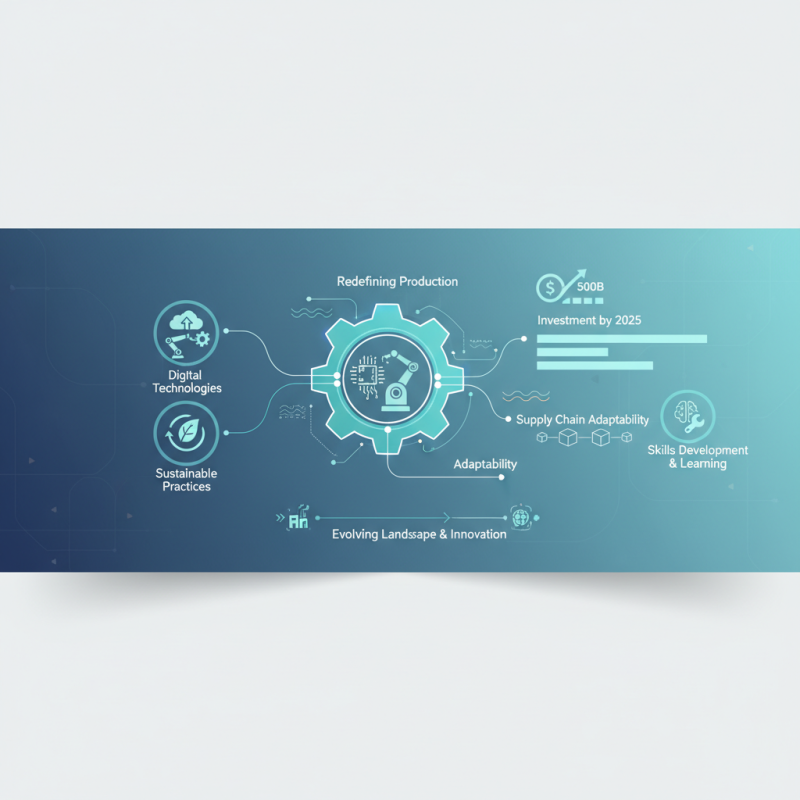
In recent years, modern manufacturing has undergone significant transformations. The industry has embraced digital technologies, advanced robotics, and sustainable practices. According to a report by Deloitte, manufacturers are expected to invest over $500 billion in smart technologies by 2025. This shift is redefining how products are designed, produced, and delivered.
Expert in the field, Dr. Emily Chen, highlights, "Modern manufacturing is not just about efficiency; it's about adaptability." This insight underscores the necessity for manufacturers to pivot quickly in response to market demands. Companies that fail to keep pace with these changes risk falling behind.
While modern manufacturing presents opportunities, challenges remain. Supply chain disruptions and the skills gap are pressing issues. Many workers must adapt to new technologies quickly. The need for continuous learning and innovation is more significant than ever. The landscape is evolving, and staying informed about the latest trends is crucial for sustainable success.
Emerging Technologies Revolutionizing Manufacturing Processes
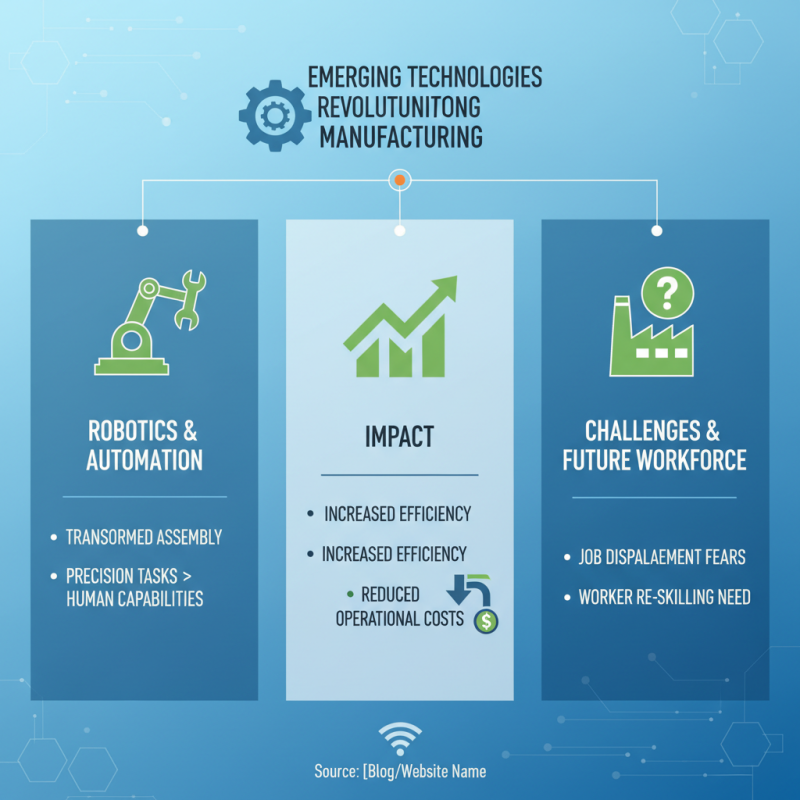
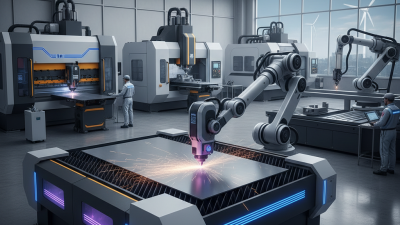
The landscape of modern manufacturing is changing rapidly. Emerging technologies are at the forefront, redefining traditional processes. Robotics and automation have transformed assembly lines. Machines can now perform tasks with precision that surpasses human capabilities. This shift results in increased efficiency and reduced operational costs. However, it also raises questions about job displacement and the need for worker re-skilling.
3D printing is another game-changer. This innovative method allows for the production of complex parts on-demand. It minimizes waste and uses materials more effectively. Yet, the technology is not without its drawbacks. The initial investment can be high, and not every manufacturer is ready to embrace this shift. There's a learning curve, which can stall adoption. Companies must weigh these challenges against potential savings and quality improvements.
Artificial Intelligence, or AI, is revolutionizing decision-making in manufacturing. It analyzes vast amounts of data, revealing insights that guide production strategies. Yet, relying solely on AI can lead to oversights and missed opportunities for human insight. The integration of AI requires a balanced approach, where technology and human experience coexist. Manufacturers must find this equilibrium to fully harness the benefits of these emerging technologies.
Sustainability Practices Shaping the Future of Production
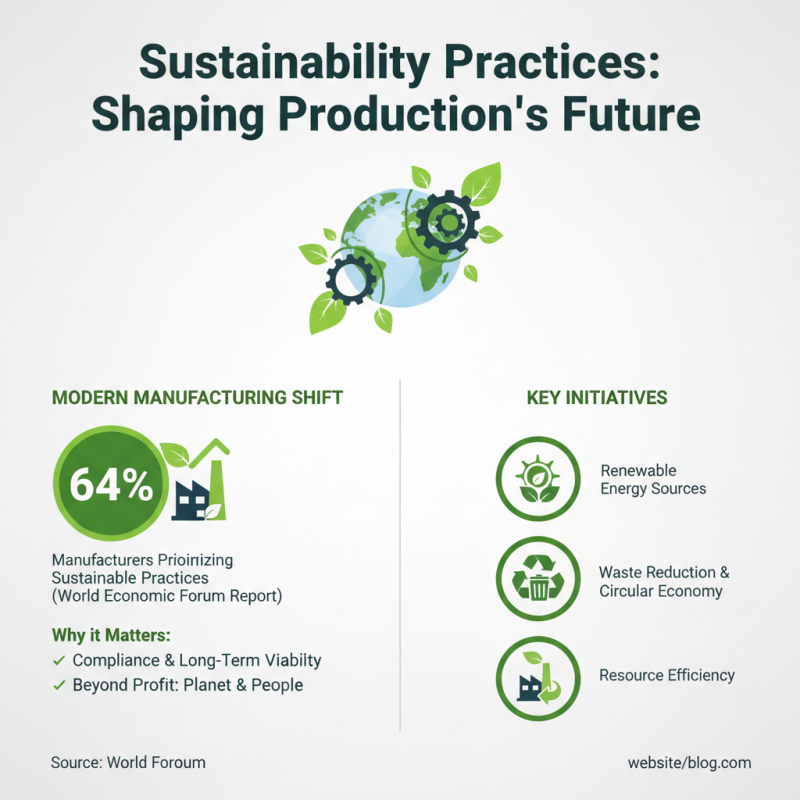
Sustainability is undeniably a leading concern in modern manufacturing. A recent report by the World Economic Forum highlights that 64% of manufacturers are prioritizing sustainable practices. This shift is critical not just for compliance but for long-term viability. Companies are exploring renewable energy sources and reducing waste, aiming for a circular economy.
However, the transition is not without challenges. While 73% of manufacturing executives recognize the importance of sustainability, only 29% have implemented comprehensive strategies. This gap reveals a need for more action. Many firms struggle with integration, often citing costs and complexity. For instance, the McKinsey Global Institute found that adopting green technologies can boost productivity, yet initial investment remains a hurdle.
Innovative practices are emerging in response to these challenges. Digital twin technology allows manufacturers to test sustainability initiatives without the risk. Moreover, using data analytics can identify inefficiencies and reduce carbon footprints. These strategies not only align with environmental goals but also enhance operational efficiencies. The journey toward sustainable manufacturing is complex, yet it offers immense potential for those willing to rethink traditional models.
The Impact of Automation and Robotics in Modern Manufacturing
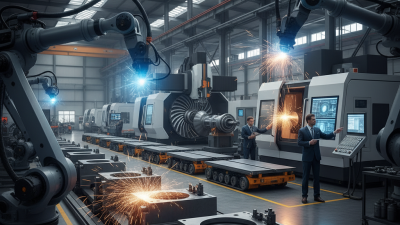
Automation and robotics are reshaping modern manufacturing in significant ways. These technologies enhance efficiency and precision on the production line. With robots handling repetitive tasks, human workers can focus on more complex roles. This shift improves productivity while reducing errors.
However, not all impacts are positive. Job displacement is a concern. Many workers fear losing their positions to machines. Additionally, integrating robotics requires substantial investment. Small businesses may struggle to keep pace with larger firms. Training and adapting to new systems present challenges as well.
Despite these issues, the trend toward automation continues. Companies are leveraging robotics to stay competitive. Real-time data analysis allows for quick decision-making and better resource management. As the industry evolves, businesses must balance innovation with the human element. It's crucial to consider the broader implications of this technological advancement.
Data-Driven Decision Making Through Industry 4.0
Data-driven decision making is becoming essential in modern manufacturing. With the rise of Industry 4.0, companies can harness vast amounts of data to improve efficiency. Real-time data analytics leads to smarter decision-making processes. Manufacturers can monitor machinery performance and supply chain metrics instantly.
The integration of IoT devices offers unprecedented insights. For instance, sensors can predict maintenance needs before machines fail. This approach reduces downtime and optimizes operations. However, collecting and analyzing data poses challenges. Many companies struggle with data overload, leading to confusion. It's crucial to focus on relevant metrics that drive real value.
Despite the advantages, organizations must remain wary of data privacy concerns. Mismanagement of information can lead to severe repercussions. Striking a balance is necessary. Organizations should invest in training to enhance their data literacy. This empowers employees to make informed decisions, fostering a culture of continuous improvement. Embracing a data-driven mindset is not just beneficial; it is necessary for staying competitive.
Customization and Personalization Trends in Manufacturing Today
Customization and personalization are reshaping modern manufacturing. Consumers today seek products that reflect their individual tastes and needs. This trend pushes manufacturers to innovate and adapt their processes. Tailoring designs and functionalities to meet customer preferences is no longer optional; it’s essential for competitiveness.
Implementing customization involves challenges. It requires a deep understanding of customer desires and effective communication. Data collection helps identify preferences but can be an overwhelming task. Balancing mass production efficiency with personalized orders often leads to complexities in supply chains. Many manufacturers are still trying to streamline this process.
Technologies like 3D printing and artificial intelligence enable personalization. They allow for unique designs at scale, which was unthinkable a decade ago. However, reliance on these tools may create new vulnerabilities. As manufacturers embrace this trend, they must also consider the implications of rapid changes in consumer behavior. Adapting quickly without losing quality is a continuous struggle. This evolving landscape demands ongoing reflection and adjustment.
Top Trends in Customization and Personalization in Manufacturing