Top Trends in Parts Manufacturing Driving Industry Innovation?
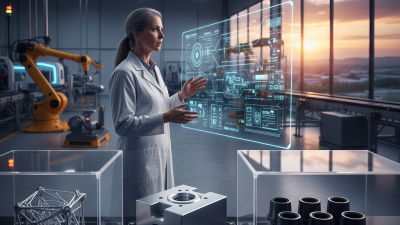
In today's rapidly evolving landscape, parts manufacturing stands at the forefront of innovation. Industry expert Dr. Emily Chen, a leading figure in advanced manufacturing technologies, emphasizes, "The future of parts manufacturing lies in our ability to adapt and innovate." This statement underscores the pressing need for manufacturers to embrace new trends that drive efficiency and sustainability.
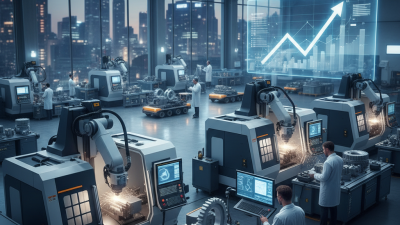
The push towards automation and digitalization is reshaping the way parts are produced. Companies are integrating smart technologies into their workflows, resulting in enhanced precision and reduced waste. Furthermore, additive manufacturing is revolutionizing traditional practices, allowing for more complex designs with less material. However, many firms struggle with the transition from conventional methods to these cutting-edge techniques.
While the prospects are promising, the journey is not without obstacles. Many manufacturers face challenges in workforce training and technological investment. Some organizations even cling to outdated processes, hesitating to fully commit to innovation. The road to a transformed parts manufacturing industry requires reflection and proactive change. Only then can manufacturers position themselves at the leading edge of this competitive market.

Emerging Technologies in Parts Manufacturing: A Comprehensive Overview
The landscape of parts manufacturing is rapidly transforming due to emerging technologies. Industry reports indicate that the global market for additive manufacturing is projected to reach $35.5 billion by 2026. This growth stems from innovations in 3D printing, which streamline production processes and reduce waste. As manufacturers adopt these technologies, they enhance their efficiency and responsiveness to market demands.
Advanced materials are another cornerstone of innovation. Composite materials, for example, are increasingly used for their lightweight and high-strength properties. According to a report by the American Composites Manufacturers Association, the demand for composites is expected to grow by 6.3% annually until 2025. This trend highlights the shift towards more sustainable practices in manufacturing, but challenges remain in recycling and material disposal.
Artificial intelligence (AI) is gaining traction in parts manufacturing as well. AI-driven predictive maintenance lowers operational costs by up to 30%, according to a McKinsey report. There are concerns about the integration of AI into existing systems, particularly regarding data security and workforce adaptability. The balance between innovation and security creates an ongoing need for reflection within the industry.
Top Trends in Parts Manufacturing Driving Industry Innovation
| Trend |
Description |
Impact on Industry |
Emerging Technology |
| Additive Manufacturing |
Utilizing 3D printing to create complex parts with less waste. |
Reduces production costs and shortens lead times. |
3D Printing Technology |
| Automation and Robotics |
Integration of automated systems to enhance production efficiency. |
Increases throughput and consistency in manufacturing processes. |
Industrial Robotics |
| Smart Manufacturing |
IoT devices and data analytics for real-time monitoring. |
Optimizes operations and boosts productivity. |
Internet of Things (IoT) |
| Sustainability Practices |
Focus on eco-friendly materials and processes. |
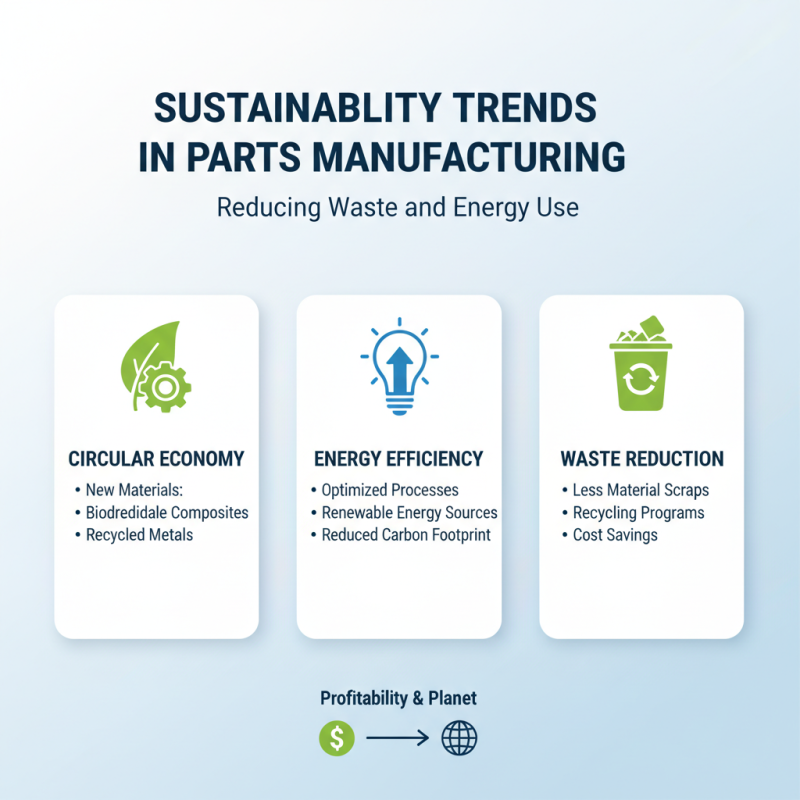
Promotes environmental responsibility and reduces waste. |
Biodegradable Materials |
| Artificial Intelligence |
Leveraging AI for predictive maintenance and quality control. |
Enhances equipment lifespan and product quality. |
Machine Learning Algorithms |
Impact of Industry 4.0 on Parts Production Efficiency and Quality
Industry 4.0 has significantly transformed parts manufacturing. The integration of advanced technologies has redefined production processes. Automation now plays a crucial role in enhancing efficiency. Machines equipped with sensors and AI analyze data in real-time. This leads to optimized operations and reduced downtime.
Yet, reliance on technology poses challenges. Workforce adaptation is often slow. Many employees require retraining to handle new tools. This can create a gap between skill sets and job requirements. Moreover, the quality of parts relies on the accuracy of automated systems. A single error can lead to significant waste and decreased productivity.
Customer demands are changing rapidly. Customization has become essential. Companies must balance standardization with personalized solutions. This requires agile manufacturing systems that can adjust quickly. As organizations navigate these complexities, they must also consider sustainability. More efficient production should also minimize environmental impact. Achieving this balance remains a key concern for many in the industry.
Top Trends in Parts Manufacturing Driving Industry Innovation
This chart illustrates the impact of Industry 4.0 technologies on parts production efficiency and quality across different manufacturing sectors. The data shows significant improvements in efficiency, quality, and overall production performance as companies adopt new technologies such as IoT, automation, and data analytics.
Additive Manufacturing: Revolutionizing Custom Parts Production
Additive manufacturing has transformed how custom parts are produced. This innovative technology enables the creation of complex designs that traditional methods struggle with. By layering materials, manufacturers can produce intricate shapes with high precision. The versatility of additive manufacturing allows for the use of various materials, from metals to polymers.
This method reduces waste significantly, offering a more sustainable approach to production. However, the technology isn't without challenges. Quality control remains a concern, as each layer must adhere perfectly. There are also limitations regarding the scale and strength of parts. Continuous improvement is required to address these issues.
The future of custom parts production looks promising but requires ongoing evaluation. Companies must invest in research to enhance reliability and efficiency. With the right focus, additive manufacturing can significantly reshape the industry, leading to innovative designs and sustainable practices.
Supply Chain Innovations: Enhancing Flexibility and Responsiveness in Parts Production
In the rapidly evolving landscape of parts manufacturing, supply chain innovations are crucial. Recent reports indicate that 70% of manufacturers are prioritizing flexibility in production processes. This shift enables companies to respond swiftly to market changes. Agile supply chains enhance responsiveness, allowing for immediate adjustments in production volumes and product types.
Technology plays a significant role in these advancements. Advanced analytics and automation streamline operations. For instance, a McKinsey report highlights that digital tools increase order fulfillment rates by over 30%. However, reliance on technology poses challenges. Cybersecurity threats are rising, potentially jeopardizing sensitive supply chain data. Manufacturers must invest in robust security measures while navigating automation.
Moreover, collaboration remains a key factor in achieving supply chain excellence. Research shows that companies fostering strong partnerships see a 15% increase in overall efficiency. Yet, aligning various stakeholders can be difficult. Each party may have differing priorities and goals, complicating the integration process. The journey towards a responsive supply chain requires careful navigation and continuous improvement.