How to Improve Efficiency in Welding Manufacturing Processes?
In the fast-paced world of welding manufacturing, efficiency is paramount. Experts like John Smith, a leading authority in the industry, emphasize that "streamlining processes is essential for competitiveness." His insight sheds light on the need for continuous improvement.
Welding manufacturing involves intricate techniques and technologies. However, many firms struggle with outdated practices. This often leads to increased costs and longer lead times. It is crucial to assess current workflows and identify bottlenecks that hinder progress.
Investing in modern tools can boost productivity. Yet, there is a tendency to resist change. Some may cling to traditional methods, fearing disruption. Reflecting on these habits may reveal significant gaps in performance. A willingness to adapt is key to achieving greater efficiency in welding manufacturing.
Identifying Inefficiencies in Welding Manufacturing Processes
Identifying inefficiencies in welding manufacturing processes can significantly boost productivity. Start by analyzing workflow patterns. Observe where delays occur. Are workers waiting for materials? Is equipment available when needed? These questions pinpoint areas needing improvement.
Tips: Regularly conduct time studies. Measure how long tasks take. This helps reveal bottlenecks. Also, consider using visual management tools. Charts can illustrate workflow clearly.
A common issue is a lack of standard operating procedures. When workers follow different processes, confusion arises. Some may skip steps, leading to rework. It's essential to develop a consistent method everyone understands.
Tips: Create easy-to-follow checklists. Encourage team feedback on procedures. This ensures everyone is on the same page and can discuss improvements. Regular training also helps.
Inconsistent equipment maintenance can hurt efficiency. Machines that break down often disrupt production. Keep a maintenance schedule. Small breakdowns can lead to bigger issues down the line.
Tips: Train staff on basic troubleshooting. Empower them to handle minor fixes. This can save time and reduce downtime. Remember, reflecting on these points can guide better practices.
How to Improve Efficiency in Welding Manufacturing Processes? - Identifying Inefficiencies in Welding Manufacturing Processes
| Inefficiency Type |
Description |
Potential Solutions |
Impact on Production |
| Excessive Setup Time |
Time lost during equipment setup and adjustments between jobs. |
Standardize setups, invest in quicker-change fixtures. |
High |
| Material Waste |
Excess materials used due to poor planning and cutting techniques. |
Implement lean manufacturing principles, improve material utilization. |
Medium |
| Inefficient Workflows |
Suboptimal arrangement of workstations leading to unnecessary movements. |
Redesign facility layout for optimal flow and reduce travel time. |
High |
| Inconsistent Quality Control |
Variability in product quality due to inadequate inspection processes. |
Implement automated inspection technologies and regular training. |
High |
| Skill Gaps |
Workers lack necessary skills for advanced welding techniques. |
Establish ongoing training programs and mentorship. |
Medium |
Implementing Automation to Enhance Welding Workflow
In modern welding manufacturing, automation plays a crucial role in enhancing workflow efficiency. Robots and automated systems streamline tasks such as welding, inspection, and material handling. When implemented effectively, these systems can save time and reduce errors. However, the transition to automation is not always smooth. Some teams may struggle with the upfront costs and the technical skills required for operation and maintenance.
Integrating automation into existing processes can require proper planning. Training staff is key. Many workers need to adapt to new technologies. This transition brings challenges. For instance, personnel may resist change or fear job loss. Emphasizing the benefits of automation, such as increased safety and reduced physical strain, can help ease these concerns. It's crucial to monitor the effectiveness of the automated systems continuously. Regular assessments can highlight areas for improvement and ensure the technology meets its intended goals.
While automation has many advantages, it is not a one-size-fits-all solution. Not every process is suitable for automation. Certain tasks may still require human intervention. Finding the right balance between human skills and automation is essential. This mixed approach can lead to innovative solutions, improving overall productivity in welding manufacturing.
Optimizing Material Selection for Better Weld Quality
Selecting the right materials is crucial for achieving high-quality welds. Recent studies indicate that up to 25% of weld defects arise from poor material choice. Using the wrong alloy can lead to issues like cracking or insufficient strength. Metals such as stainless steel and high-strength low-alloy steel often yield better results compared to standard low-carbon steel.
It's essential to consider the mechanical properties of the materials. Reports from leading industry associations show that more than 30% of manufacturers overlook these when selecting materials. A focus on tensile strength, ductility, and corrosion resistance can significantly enhance weld quality. For example, using mild steel with better weldability can reduce post-weld stress and improve overall structural integrity.
Moreover, testing the compatibility of filler materials with base metals is often neglected. A mismatch can lead to weaker joints, which compromises the entire fabrication process. Updated findings suggest that manufacturers who incorporate stringent material compatibility criteria see a 20% decrease in defects. Therefore, revisiting material selection processes can have profound effects on overall efficiency and product durability.
Training and Skill Development for Welding Personnel
Training and skill development for welding personnel is crucial. In a fast-paced manufacturing environment, skilled workers can significantly impact productivity. They should be educated on various welding techniques and technologies. Regular workshops can help them stay updated on industry trends. This investment is sometimes overlooked, resulting in skill gaps within the team.
On-the-job training is vital. It allows welders to practice real-time skills and troubleshoot issues. Mentorship programs can also be beneficial. Experienced welders can share knowledge with new hires. However, not all companies implement these initiatives effectively. Some teams lack access to proper training facilities. This can hinder overall progress and efficiency.
Continuous learning should be a priority. Online courses or certifications can enhance skills, but not everyone uses these resources. Encouraging a culture of learning helps retain talented personnel. Creating an environment where asking questions is welcomed can lead to better outcomes. It's important to reflect on current training strategies and identify areas for improvement.
Utilizing Data Analysis for Continuous Improvement in Welding
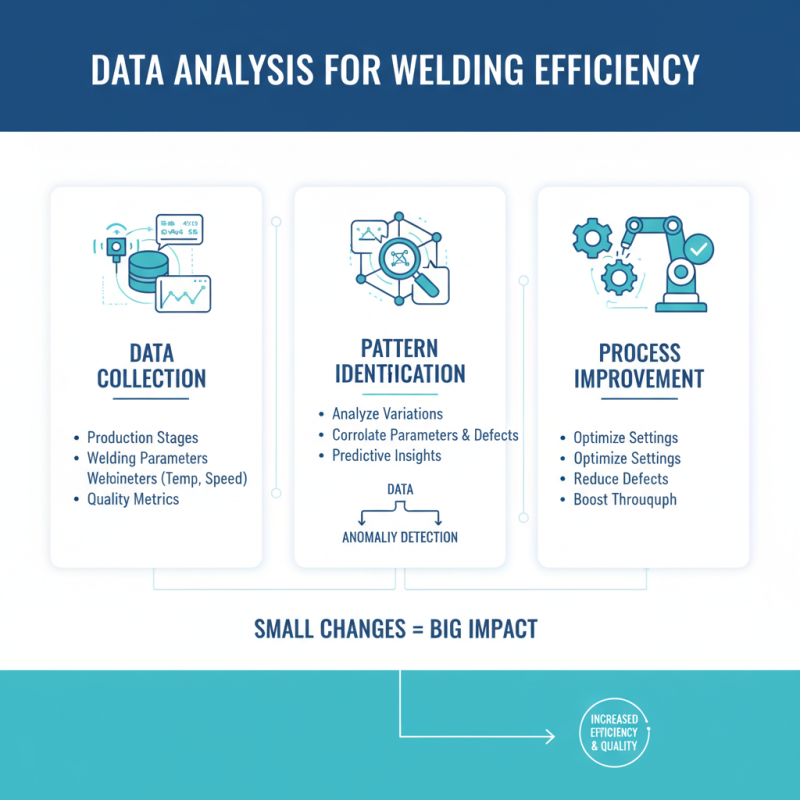
Data analysis plays a crucial role in improving efficiency in welding manufacturing processes. By collecting data from various stages of production, manufacturers can identify patterns and pinpoint inefficiencies. For instance, monitoring welding parameters can reveal variations that impact quality. Small changes in temperature or speed can lead to defects. Understanding these factors is key to driving improvement.
Real-time data visualization offers insights into the welding process. Operators can identify issues as they arise and make quick adjustments. This approach minimizes downtime and waste. However, relying solely on data can lead to overlooking skilled craftsmanship. Sometimes, human intuition resolves problems that data fails to capture.
Implementing data analysis is not without its challenges. Employees may resist changing their workflow. Data interpretation can be complex, and over-reliance on technology can reduce hands-on skills. Striking a balance between analytics and craftsmanship is essential for true efficiency. Continuous training and open communication can bridge these gaps.