How to Master Welding Fabrication Techniques for Beginners?
Welding fabrication is an art that combines skill and creativity. It's essential for many industries. Beginners often feel intimidated by it, but mastering the basics can open doors.
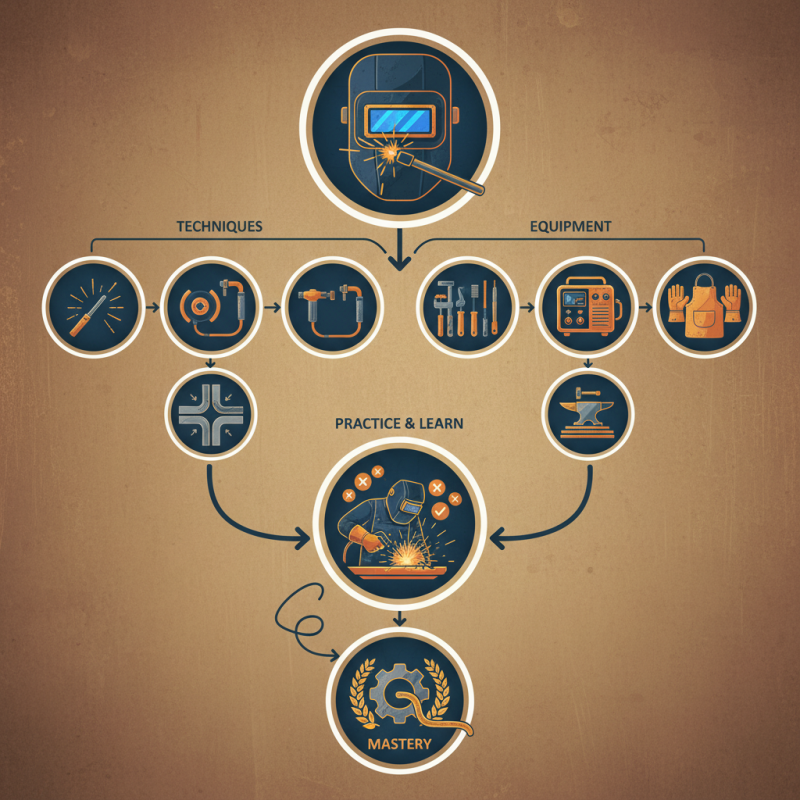
Understanding the different techniques is crucial. Each method has its applications, benefits, and challenges. New welders might struggle with precision or technique at first. Mistakes are part of the learning process. For instance, improper settings can create weak joints.
Finding the right tools and materials also plays a significant role. Investing in good quality equipment can make a difference. However, beginners might feel overwhelmed by the options. Practice is vital. Regularly honing your skills will lead to improvement. Embrace the mistakes. They teach valuable lessons in welding fabrication.
Understanding the Basics of Welding and Fabrication Techniques
Welding and fabrication are essential skills for many projects. Beginners should focus on mastering the basics before moving to advanced techniques. Understanding the equipment is crucial. Each tool serves a specific purpose, from welding machines to safety gear. A welder must invest time in learning how to use their tools properly.
Tips: Start with simple projects. This builds your confidence. Begin with small metal pieces. Practice your technique, then gradually increase complexity. Mistakes will happen. Reflect on them. Analyze what went wrong, and make adjustments. This process is vital for improvement.
Welding types vary, including MIG and TIG. Knowing their differences helps in choosing the right one for your project. Each method has unique challenges and benefits. Don't be afraid to experiment. Creating different welds offers valuable experience. The more you practice, the better you become. Recognize that progress takes time. Patience is key in mastering these skills.
How to Master Welding Fabrication Techniques for Beginners? - Understanding the Basics of Welding and Fabrication Techniques
| Technique |
Description |
Common Uses |
Skill Level |
| MIG Welding |
A welding process that uses a continuous wire feed as an electrode. |
Automotive, fabrication and construction. |
Beginner |
| TIG Welding |
A precise process using a non-consumable tungsten electrode. |
Aerospace, stainless steel fabrication. |
Advanced |
| Stick Welding |
An arc welding process using a consumable electrode coated in flux. |
Construction, heavy equipment repair. |
Intermediate |
| Flux-Cored Arc Welding |
Similar to MIG but uses a tubular wire filled with flux. |
Shipbuilding, pipeline construction. |
Intermediate |
| Oxy-Fuel Welding |
Uses oxygen and fuel gas to weld and cut metals. |
Metalworking, repair and maintenance. |
Beginner |
Essential Tools and Equipment for Welding Beginners
Welding requires the right tools and equipment
and understanding this is crucial for success. According to the American Welding Society, more than 50% of welders report frustrations with inadequate equipment. Starting with key tools can reduce these issues.
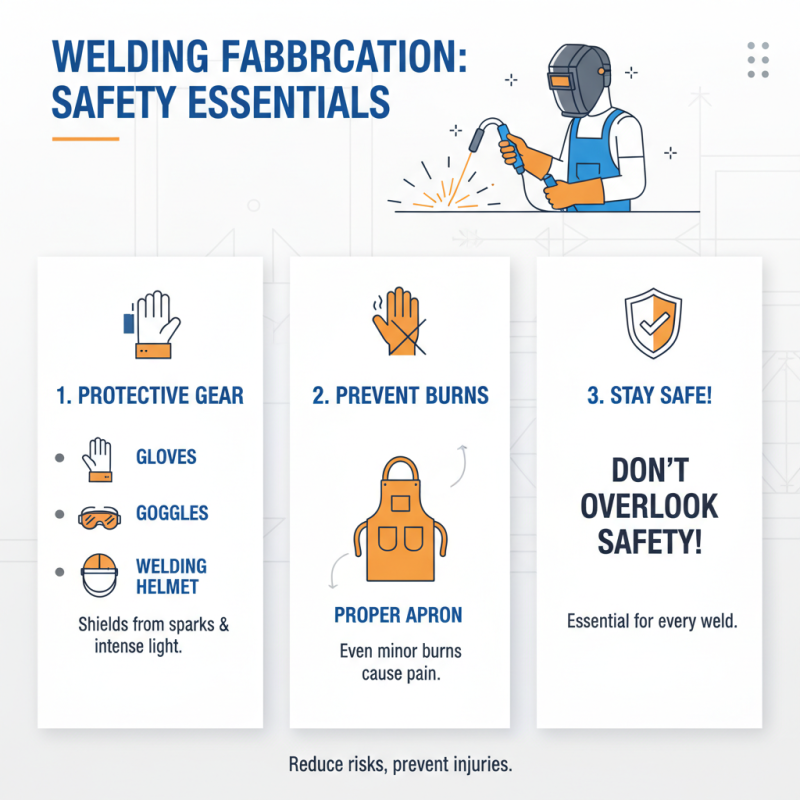
A good welding helmet is essential. It protects your eyes from harmful light and sparks. Many beginners overlook the importance of a quality helmet. A poorly fitting helmet can lead to discomfort. This distraction might even affect your focus while welding.
A welding machine is another critical investment. There are various types, such as MIG, TIG, and stick welders. Each has its unique application. Beginners often struggle with choosing the right one. Consulting industry resources can help clarify this choice.
In addition, protective gear like gloves and jackets ensures safety. Poor-quality gloves can lead to burns or cuts. Many beginners prioritize cost over quality in this area, which can result in mistakes. As you progress, reflecting on these challenges will refine your technique and reinforce safety.
Step-by-Step Guide to Common Welding Techniques
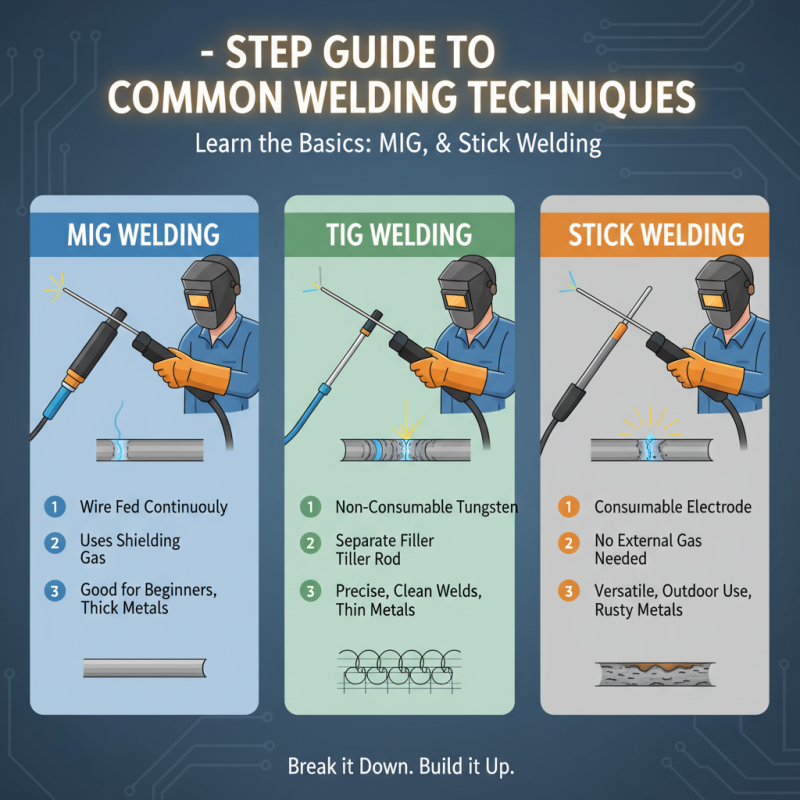
Welding fabrication techniques can seem daunting for beginners. However, breaking them down step-by-step makes the learning process manageable. The most common methods include MIG, TIG, and Stick welding. Each technique has unique benefits and requirements.
MIG welding uses a wire feed to produce a strong weld. It’s great for thin materials but can be tricky to master. Focus on your speed and angle. Practice in different conditions to see how variables affect your results. You may run into issues like burn-through or inconsistent beads. Reflect on these mistakes to improve.
TIG welding offers precision for intricate work. It requires two hands and practice to control the torch and filler rod. Beginners often struggle with keeping a clean arc. A clean workspace helps avoid contamination. Remember, preparation is key to achieving neat welds. Don't be discouraged by initial failures. Each mistake is a learning opportunity that will enhance your skills over time.
Stick welding is often the most accessible. It uses a consumable electrode to join metals. This method can be forgiving, making it ideal for outdoor work. Yet, it can still present challenges, such as inconsistent arc stability. Work on your technique regularly to gain confidence. Keep adjusting your speed and electrode angle for better results.
Tips for Improving Your Welding Skills and Techniques
Welding is an essential skill for many trades. Beginners often face challenges mastering techniques. To improve, focus on practice and observation. Spend time watching experienced welders. Notice their hand movement and body positioning. This can provide insights into better techniques.
Setting specific goals helps. For example, aim to complete a clean weld each time. If a weld does not meet your standards, assess what went wrong. Was the arc too long? Or was the angle incorrect? Reflecting on mistakes allows for growth. Embrace these learning moments.
Using proper equipment is crucial. Ensure your gear fits well and is comfortable. Poor equipment can hinder performance. Experiment with different materials to understand how they react. Each metal behaves uniquely when welded. Finally, don't be afraid to ask for feedback. Constructive criticism helps refine your skills. Remember, every expert was once a beginner.