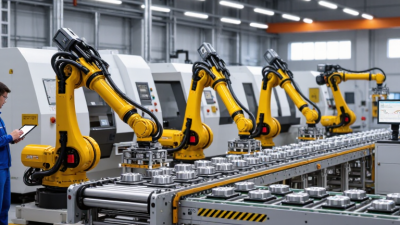
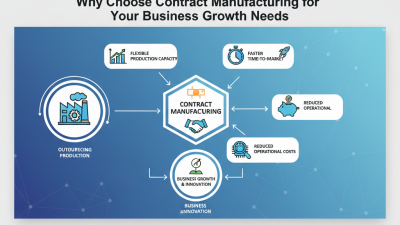
MFG manufacturing is more than a shortened industry label. It describes the coordinated work of turning designs, materials, labor, and data into reliable products. On a factory floor, this may involve CNC machines, assembly stations, inspection tools, and digital production records. Each step affects cost, quality, delivery time, and customer trust.
W. Edwards Deming, a widely respected quality-management expert, said, “If you can’t describe what you are doing as a process, you don’t know what you’re doing.” His warning remains practical for mfg manufacturing teams. A production manager must understand how raw materials enter the facility, how operators follow work instructions, and how defects are identified before shipment. Traceability matters. So does preventive maintenance. A polished production line can still fail when records are incomplete or training is inconsistent.
The value of mfg manufacturing becomes clearer through everyday details. A calibrated gauge can prevent hundreds of rejected parts. A revised inspection checklist can reveal a recurring supplier problem. A delayed machine repair can quietly disrupt an entire schedule. These are not abstract business issues. They are measurable events with real consequences.
Still, manufacturing is not perfectly predictable. Forecasts can be wrong. Automation can introduce new risks. Even experienced teams overlook small signals. That is why responsible manufacturers review evidence, question assumptions, and improve processes continuously. Understanding mfg manufacturing means examining both its capabilities and its weaknesses, rather than treating technology as a complete solution.
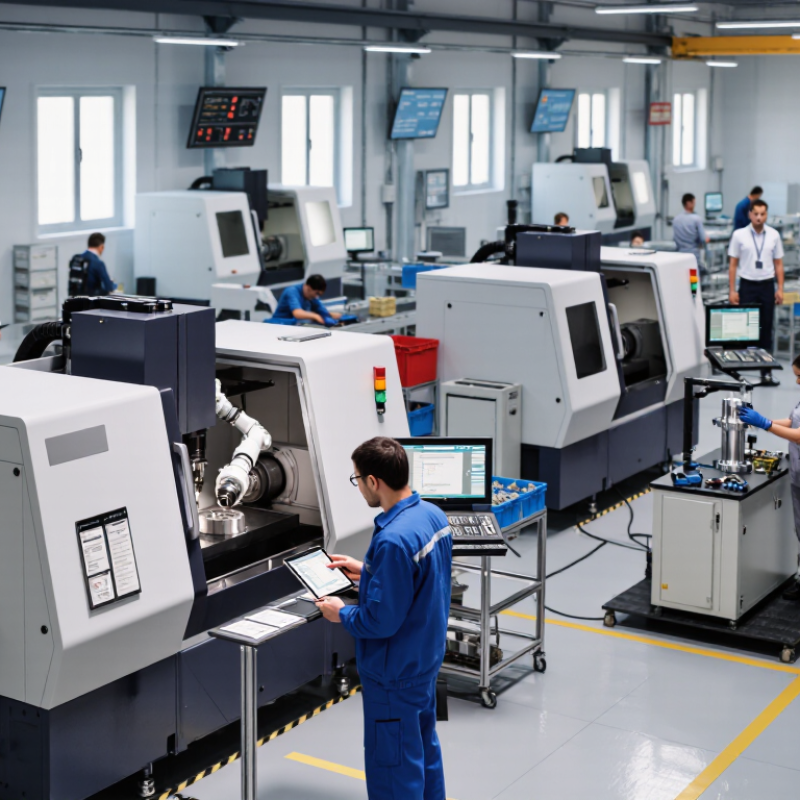
MFG means manufacturing, the controlled conversion of materials into usable products. Its scope reaches beyond factory assembly. It includes product design, purchasing, machining, forming, processing, testing, packaging, maintenance, and recycling. Production may involve steel, food, chemicals, electronics, medical equipment, or construction components. Each sector uses different equipment and controls, yet the core goal remains consistent: repeatable output that meets defined specifications.
The economic scale is substantial. The United Nations Industrial Development Organization’s International Yearbook of Industrial Statistics 2024 places global manufacturing value added at roughly 16% of worldwide GDP in recent years. World Bank national accounts data also track manufacturing as a major share of economic output across industrial and emerging economies.
This figure measures value created by manufacturing, not total sales. That distinction matters. A factory can report strong revenue while losing value through waste, downtime, or expensive rework. The 16% figure is powerful, but it should not hide uneven productivity between regions.
Tips:
Map every process step, from incoming material to final shipment. Record cycle time, defect rates, energy use, and unplanned downtime. A simple process map often reveals hidden delays. Digital monitoring helps, but poor data still produces poor decisions. One uncomfortable truth remains: automation does not repair unclear specifications. Managers should review supplier quality, worker training, equipment calibration, and emergency controls together. A narrow efficiency target may improve one line while weakening the wider operation. That possibility deserves regular review.
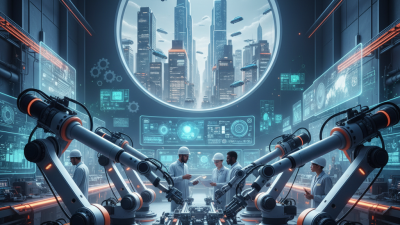
MFG manufacturing means converting materials into repeatable, useful products. The method matters because each production environment behaves differently. Discrete manufacturing builds separate units, such as pumps, panels, or medical instruments. Parts move through machining, assembly, inspection, and packaging. In 2023, 541,302 industrial robots were installed worldwide, according to the International Federation of Robotics’ World Robotics 2024 report. That figure reflects rising automation in highly repeatable discrete operations.
Process manufacturing handles materials that flow, blend, heat, or react. Refineries, food plants, and chemical facilities depend on controlled temperature, pressure, viscosity, and timing. A small sensor error can affect an entire batch. The International Energy Agency reported that industry produced about 9.0 gigatonnes of direct CO2 emissions in 2022, making process efficiency more than a cost issue. Materials behave differently. Production data must respect that reality.
Additive manufacturing creates parts layer by layer from digital designs. It reduces tooling needs and supports lightweight, customized geometries, although surface finishing and material qualification remain difficult. The Wohlers Report 2024 valued the global additive manufacturing industry at approximately 20.0 billion dollars in 2023, after 13.5% growth. Hybrid production combines methods, such as robotic deposition followed by precision machining. It can shorten development cycles, but integration is rarely effortless. In practice, the best method depends on volume, tolerance, material, energy use, and inspection demands. A neat category can still hide a messy factory.
MFG manufacturing is the coordinated conversion of materials into reliable products. Its value chain begins with specifications, approved inputs, and supplier evidence. A steel coil, polymer pellet, or electronic component needs a visible history. Traceability matters. Without it, one defective batch can spread across several production lines.
Automation links machines, operators, and production data. According to the International Federation of Robotics’ World Robotics 2024 report, factories installed 541,302 industrial robots worldwide in 2023. Robots can improve repeatability, but they cannot repair poor process design. Human experience still matters when materials vary, sensors drift, or work instructions become outdated. It is not magic. A clean dashboard can still hide inaccurate measurements.
Quality should be built into each operation, not inspected only at the end. Sampling plans, calibration records, statistical process control, and corrective actions create stronger evidence. The International Organization for Standardization reported more than 1.26 million ISO 9001 certificates worldwide in its 2023 survey, showing the continuing demand for controlled quality systems. Still, paperwork alone proves little. Operators need practical training and time to challenge unusual results.
Logistics completes the chain. The United Nations Conference on Trade and Development states that over 80% of global merchandise trade by volume moves by sea. Delays at ports, missing labels, or weak packaging can erase production gains. Materials should arrive when needed, with condition checks and clear digital records. In real factories, data is often incomplete. That weakness deserves attention, not decoration.
MFG manufacturing refers to the organized process of turning materials into finished products. It connects design, equipment, workers, quality checks, and delivery. Today, Industry 4.0 is changing how these activities operate. An industry survey reports that 86% of manufacturers prioritize smart production. That figure reflects pressure to produce faster, safer, and with fewer costly errors.
Smart production uses sensors, connected machines, and real-time production data. On a factory floor, a dashboard can show rising motor temperatures before a breakdown stops the line. Predictive maintenance can then schedule an inspection during planned downtime. Workers also gain clearer information about defects, material use, and energy consumption. The technology supports decisions, but experienced operators still interpret unusual sounds, vibrations, and process changes.
Data quality remains a serious weakness. A poorly calibrated sensor can create confident but incorrect recommendations. Integration may also be expensive, especially for older equipment. I would not automate every decision. Human review matters when production conditions change suddenly. Manufacturers should test one process, measure the results, and train employees before expanding the system. Small gains, such as reducing setup time by ten minutes, can reveal more than impressive software demonstrations. Industry 4.0 is practical only when digital tools match real factory problems.
MFG manufacturing means converting materials into usable products through machines, labor, and controlled processes. On a factory floor, this can mean stamping metal, molding polymers, or assembling electronic components. Each step depends on measurements, maintenance, safety checks, and trained judgment. Small delays can affect suppliers, retailers, and local workers.
The economic scale is substantial. Bureau of Economic Analysis GDP-by-industry data shows U.S. manufacturing generated about $2.3 trillion in value added in recent annual estimates. Bureau of Labor Statistics employment data also places direct manufacturing employment near 13 million jobs. These positions include machinists, engineers, quality specialists, warehouse staff, and production supervisors. Many additional jobs depend on transportation, maintenance, energy, and industrial services.
The figure is useful, but not flawless. Definitions change across reports, and “supported jobs” may include direct and indirect employment. That distinction matters. A rural plant may employ 400 people directly, while supporting nearby tool suppliers, truck drivers, and repair crews. The National Association of Manufacturers’ economic studies often highlight this wider multiplier effect. Still, productivity gains do not automatically help every worker. Automation can improve consistency while demanding new technical skills. Factories must invest in people, not only equipment.