A manufacturing solution for global buyers is more than a supplier directory or a low-cost quotation. It is a coordinated system connecting product design, sourcing, production, quality control, logistics, and after-sales support. Buyers may compare factories across continents, yet the real test appears on the shop floor: a verified material certificate, a stable production line, or a shipment leaving on schedule.
W. Edwards Deming, a leading manufacturing quality expert, said, “Quality comes not from inspection, but from the improvement of the production process.” His principle remains highly relevant to modern manufacturing solutions. Reliable partners build quality into tooling, process controls, worker training, and supplier communication. They also explain limitations clearly. No factory is perfect. No platform removes every risk.
For global buyers, practical confidence comes from evidence. That evidence may include audited facilities, traceable components, production samples, inspection records, and realistic lead-time estimates. Digital dashboards can improve visibility, but they cannot replace experienced judgment. A delayed approval or unclear drawing can still disrupt an entire order.
The phrase “manufacturing solutions” can sound broad. Sometimes, it is. A strong solution should answer specific questions: Can the supplier scale production? Who owns the tooling? How are defects handled? Which compliance documents are available? This article explores those questions and examines how global buyers can choose manufacturing partners with greater clarity, accountability, and long-term value.

What Is a Manufacturing Solution for Global Buyers?
A manufacturing solution for global buyers connects product development, production, inspection, and delivery. It reduces the need to coordinate many separate suppliers. In practice, this may include material sourcing, engineering support, prototype testing, packaging, and export documentation. The best solutions begin with clear drawings, target costs, quality standards, and delivery requirements.
Experience matters during production changes. A small adjustment to wall thickness can affect strength, tooling, and shipping weight. A reliable manufacturing partner checks these details before mass production begins. Buyers should request samples, review inspection records, and confirm how defects are handled. Factory audits, process photographs, and measurable acceptance criteria also improve trust. Communication must remain clear across time zones.
Still, no manufacturing solution removes every risk. Delays can follow material shortages, unclear specifications, or unexpected customs requirements. I have seen attractive samples fail because production tolerances were never documented. That lesson is easy to overlook. Global buyers should also question optimistic lead times and unusually low quotations. A practical solution leaves room for testing, correction, and honest feedback, even when the first production plan looks perfect. Sample approval should record color, dimensions, finish, function, and packaging condition. Small details often decide whether goods arrive ready for sale.
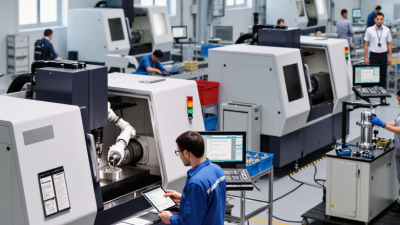
Global buyers often face uncertainty long before production begins. Product drawings may use different measurement standards. A supplier may confirm capacity, yet struggle with a difficult finish. Manufacturing solutions address these gaps by connecting sourcing, engineering, production, and inspection in one controlled process.
Clear specifications are essential. Experienced teams convert buyer requirements into drawings, material lists, approved samples, and measurable tolerances. They also verify factories through capacity checks, production records, and on-site quality reviews. This reduces the risk of receiving parts that look acceptable but fail during assembly. Small details matter. A 0.2-millimeter error can stop an entire production line.
International sourcing also creates communication and timing problems. Time-zone delays can hide design changes for days. A structured workflow records every revision and assigns responsibility for approval. Production tracking helps buyers see whether materials arrived, whether testing started, and whether shipment documents are ready. It can also expose risks early, such as a delayed mold or an incomplete safety certificate.
No system removes every problem. I have seen approved samples pass inspection while later batches showed uneven color. That failure usually points to weak process controls, not bad luck. Buyers should question inspection frequency, traceability, packaging strength, and corrective actions. A reliable manufacturing solution makes these answers visible, while leaving room to improve the process when real production proves the original plan was incomplete.
A manufacturing solution for global buyers is more than finding a low-cost factory. It connects product design, supplier selection, production, inspection, and international delivery. According to the 2024 MHI Annual Industry Report, 55% of supply-chain leaders planned to increase technology investment. This shows why buyers increasingly expect digital visibility, not occasional email updates.
The process often begins with drawings, material specifications, prototypes, and a manufacturability review. Engineers may suggest safer tolerances or simpler components before mass production. Suppliers then provide quotations, production timelines, tooling plans, and sample approvals. Quality teams check dimensions, materials, packaging, and functional performance. ISO 9001-based procedures can support consistent documentation, although certification alone does not guarantee excellent workmanship.
Small details matter.
During production, buyers may use milestone inspections, batch records, corrective-action reports, and pre-shipment checks. Logistics teams coordinate labeling, export documents, freight booking, and delivery tracking. The World Bank’s 2023 Logistics Performance Index compares 139 economies and highlights customs, infrastructure, and shipment reliability as key performance areas. These factors can change the real landed cost.
A strong solution also includes supplier audits, risk mapping, and after-sales communication. The OECD Due Diligence Guidance recommends identifying and addressing risks throughout supply chains. Still, the process is not perfect. Forecasts change, samples can hide production weaknesses, and inspection reports may miss problems between batches. Buyers need measurable controls, honest escalation, and enough time for corrective action.
For global buyers, a manufacturing solution is more than a competitive unit price. Evaluation starts with evidence: audited process controls, stable capacity, traceable materials, and clear escalation routes. Experienced procurement teams compare total landed cost, not just the factory quotation. Freight, tooling, inspection, duties, rework, and inventory financing can change the decision. UNCTAD reports that maritime transport carries over 80% of world merchandise trade, so logistics resilience deserves equal attention. A delayed container can erase a small price advantage.
Quality evidence should be practical. Ask for recent defect data, corrective-action records, production-line photos, and sample approval steps. Test whether the supplier can scale without losing process discipline. McKinsey’s Global Supply Chain Leader Survey found that 93% of respondents had adopted resilience practices after disruptions. That figure supports dual sourcing, capacity reservations, and documented business-continuity plans. Yet redundancy is not automatically wise. Two weak suppliers create more administration, not more security. Digital integration also matters. Can the solution share forecasts, certificates, batch records, and delivery alerts? Data exposes weak suppliers. Still, buyers sometimes overvalue polished dashboards and undercheck factory reality.
Tips: Build a weighted scorecard before requesting final quotations. Give measurable weight to quality, lead time, compliance, resilience, communication, and cost. Require evidence for every high score. Run a small pilot with defined acceptance limits. Review one failed shipment openly; perfect assumptions are dangerous. Keep a human audit in the loop. No scorecard is perfect.
| Evaluation Dimension | What Global Buyers Need to Verify | Typical Evidence or Metric | Why It Matters | Suggested Weight |
|---|---|---|---|---|
| Product and Technical Fit | Ability to meet drawings, bill of materials, material specifications, tolerances, packaging requirements, and functional targets. | Approved sample, technical review, first-article inspection, tolerance report, and documented change-control process. | A low unit price is not useful if the product cannot meet performance or fit requirements. | 20% |
| Total Landed Cost | Assessment of product price together with tooling, inspection, packaging, freight, insurance, duties, taxes, warehousing, and payment costs. | A comparable landed-cost model using the same order quantity, delivery term, destination, and shipment method. | The quoted factory price may represent only part of the buyer’s final acquisition cost. | 20% |
| Lead Time and Delivery Reliability | Production capacity, material availability, manufacturing cycle time, export preparation, and transport planning. | Written lead-time commitment, on-time-in-full delivery rate, capacity plan, and historical shipment records. | Late delivery can cause stockouts, production interruptions, missed sales windows, and contractual penalties. | 15% |
| Quality Management | Inspection standards, process controls, traceability, nonconformance handling, and corrective-action capability. | Quality-management certification where applicable, control plan, inspection records, defect rate, and corrective-action reports. | Consistent quality reduces returns, warranty claims, rework, and reputational risk. | 15% |
| Compliance and Market Access | Product safety, labeling, environmental, chemical, electrical, labor, and import requirements in each target market. | Applicable test reports, declarations, material records, audit results, and country-specific documentation. | Non-compliance can prevent customs clearance, market entry, or legal sale. | 10% |
| Minimum Order Quantity and Flexibility | Minimum order requirements, mixed-model production, customization options, replenishment quantities, and sample support. | Published or negotiated MOQ, sample policy, batch-size options, and forecast-flexibility terms. | Lower MOQs reduce inventory exposure, while scalable capacity supports growth. | 8% |
| Communication and Project Management | Clarity of communication, time-zone coverage, engineering response, escalation procedures, and reporting discipline. | Named project contact, response-time target, milestone schedule, shared documentation, and meeting cadence. | Effective coordination reduces misunderstandings and speeds up issue resolution. | 5% |
| Intellectual Property and Data Protection | Ownership of designs, tooling, software, technical files, confidential information, and production data. | Confidentiality agreement, ownership clauses, access controls, tooling register, and documented approval procedures. | Clear ownership and controlled access protect product differentiation and commercial information. | 4% |
| Supply-Chain Resilience | Dependence on single suppliers, availability of critical materials, geographic concentration, and business-continuity planning. | Approved alternate materials, dual-source plan, safety-stock policy, risk register, and continuity procedures. | Resilience helps maintain supply during disruptions, material shortages, or transport delays. | 3% |
| Recommended Evaluation Scorecard Total | 100% | |||
A manufacturing solution for global buyers is more than factory capacity. It is a controlled process that turns a purchase order into a verified shipment. The work begins with clear specifications, target quantities, delivery terms, and quality requirements. A technical review checks drawings, materials, tolerances, and packaging details before production starts. Questions should be resolved early. Small assumptions can create expensive delays later.
Once approved, a shared production plan assigns responsibilities across purchasing, engineering, production, and inspection teams. Each stage needs measurable checkpoints, not vague progress updates. Digital records can track material certificates, sample approvals, inspection results, and shipment dates. A buyer should receive practical updates, including photographs when useful. When material arrives late, the team should explain the cause and propose a realistic adjustment. Silence damages trust quickly.
Before dispatch, inspectors compare finished goods with approved samples and documented requirements. Samples may be measured with calibrated tools, while packaging is checked for moisture protection and handling risks. Shipping documents should match the actual cartons, quantities, and destination details. A final review helps prevent avoidable customs or receiving problems. Still, no workflow is perfect. Forecasts can change, production capacity can tighten, and human checks can miss details. That weakness deserves attention. Reliable management means recording errors, correcting them, and improving the next order.