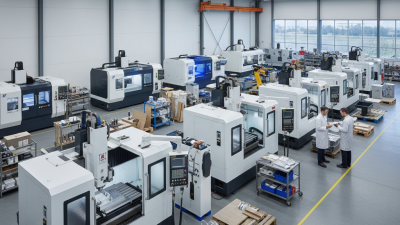
Choosing the right cnc machine fabrication partner in 2026 requires more than comparing prices. Global buyers need dependable engineering, controlled production, and clear communication across borders. A capable supplier should understand aluminum, stainless steel, carbon steel, titanium, and advanced engineering plastics. It should also explain tolerances, surface finishes, inspection methods, and realistic production timelines.
The strongest fabrication services combine experienced machinists with modern equipment. Look for five-axis machining, automated tool measurement, coordinate measuring machines, and documented quality procedures. Certifications such as ISO 9001 can support trust, but certificates alone prove little. Ask for sample inspection reports, material certificates, process photographs, and references from similar industries. A serious provider will discuss design-for-manufacturing concerns before cutting metal. That conversation can prevent costly revisions later.
Global purchasing also depends on practical details. Confirm packaging standards, export documentation, intellectual property protection, payment terms, and after-sales support. Time-zone differences matter. So does response speed. Some suppliers advertise exceptional accuracy but provide vague answers about inspection or rework. That is a warning sign. Yet no supplier is perfect. Even experienced teams can miss a design assumption, especially when drawings lack datums or complete tolerance notes. Buyers should review risks openly and keep a written approval process. This guide examines the 2026 best cnc machine fabrication services through technical capability, production reliability, communication quality, and long-term value. The goal is not to promote the loudest provider. It is to identify partners that can deliver consistent parts, honest updates, and measurable results in real global projects.

What CNC Machine Fabrication Services Include
CNC machine fabrication services cover more than cutting metal. They usually begin with drawing review, manufacturability checks, material selection, and process planning. Engineers inspect wall thickness, hole depth, corner radii, and datum references before programming the machine. Milling, turning, drilling, tapping, and multi-axis machining may follow. Aluminum, steel, stainless steel, brass, and engineering plastics require different speeds and tooling.
Quality control is equally important. Suppliers may provide first-article inspection, dimensional reports, surface-finish readings, material certificates, and traceability records. The ISO Survey 2023 recorded more than 1.2 million ISO 9001 certificates worldwide, showing how widely formal quality systems are used. Still, certification alone is not proof of perfect production. A polished report can hide a weak inspection plan.
Experienced fabricators also handle deburring, anodizing, plating, heat treatment, assembly, packaging, and export documentation. Practical communication matters. A tolerance of 0.01 millimeters may be unnecessary for a noncritical bracket, but essential for a bearing seat. According to the U.S. Bureau of Labor Statistics, machinist and toolmaker work remains closely tied to manufacturing demand, despite automation growth. That matters because skilled judgment still catches problems software misses. I would request sample inspection records, machine capability data, and clear revision control before approving a global order. Mistakes happen. Unclear drawings make them expensive.
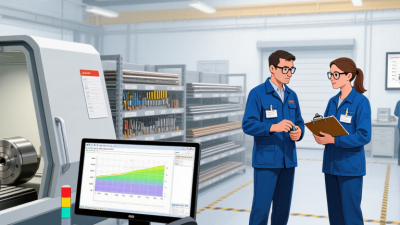
CNC machine fabrication services commonly cover the complete production workflow, from CAD/CAM preparation and material selection to milling, turning, drilling, surface finishing, dimensional inspection, and packaging. The chart presents the core service categories buyers typically evaluate when comparing global CNC fabrication suppliers.
Global CNC buyers should judge fabrication services by measurable capability, not attractive promises. Request tolerance records, material certificates, and recent inspection reports. A reliable supplier should explain its machines, tooling limits, and quality process clearly. Ask whether it can maintain tight tolerances across repeated batches, not only one impressive sample. Confirm experience with your material, surface finish, and production volume. A polished website is not proof of manufacturing control.
Communication also affects delivery. Check response times, technical drawing reviews, packaging methods, and shipping documents before placing an order. Clarify who handles dimensional inspection and how nonconforming parts are managed. Independent inspection can reduce risk for complex or high-value components. Payment terms, lead times, and change-control procedures should appear in writing. Many delays begin with unclear drawings. That part deserves more attention.
Tips: Send a complete 2D drawing, 3D file, material grade, tolerance table, and expected quantity. Ask for a first-article inspection before full production. Compare quotes by total cost, including tooling, finishing, freight, and possible rework. Do not select the lowest price automatically. It may hide weaker inspection or unstable scheduling. Review sample photos carefully, but request measurable data too. A useful supplier welcomes precise questions, even uncomfortable ones.
Global CNC fabrication is shifting toward tighter process control, faster material changes, and verified digital records. Grand View Research valued the global CNC machine market at about USD 83 billion in 2023, with continued growth expected through 2030. This expansion increases pressure on suppliers to prove accuracy, not merely promise it.
Modern workshops combine five-axis milling, turning, laser cutting, and automated inspection. Five-axis machining can reduce repositioning errors on curved aerospace and medical parts. Aluminum alloys remain popular for lightweight housings, while stainless steel supports corrosion resistance and repeated cleaning. Titanium offers excellent strength-to-weight performance, but it demands slower cutting speeds and careful heat control. The U.S. Geological Survey reported global primary aluminum production above 70 million metric tons in 2023, showing the material’s industrial importance. Material certificates, calibrated gauges, and documented tool wear should accompany every international order.
I have seen attractive prototypes fail because the production material was only “similar.” Similar is not equivalent.
Tips: Request a first-article inspection report, dimensional drawings, surface-finish measurements, and clear tolerance notes. Confirm whether tolerances follow ISO 2768 or a project-specific standard. Ask for sample photographs before shipment. Keep communication simple. Ambiguous drawings create expensive delays. Also review packaging, moisture protection, and inspection timing. These details feel minor until a precision shaft arrives scratched or undersized. Even reliable processes can drift, so independent verification remains worthwhile.
2026 Best CNC Machine Fabrication Services for Global Buyers
How to Evaluate Quality, Pricing, and Production Capacity
A strong CNC supplier should prove quality before discussing discounts. Ask for material certificates, inspection records, and dimensional reports from similar parts. ISO’s Survey of Certifications 2023 recorded more than 1.26 million ISO 9001 certificates worldwide. Certification helps, but it does not guarantee every shipment. Review calibration dates, first-article inspection methods, and corrective-action records. In practice, a supplier’s response to one rejected part reveals more than polished website claims.
Pricing needs a complete comparison. Request tooling, programming, finishing, packaging, freight, and possible rework as separate items. A cheaper quote may hide loose tolerances or longer lead times. Specify tolerances, surface roughness, thread standards, and acceptance samples. The 2024 World Robotics report recorded 541,302 industrial robot installations in 2023. Automation can support repeatability, yet skilled operators still matter for complex setups. Capacity should include available machine hours, backup equipment, shift patterns, and current workload. I would not trust a monthly output figure without production evidence.
Tips: Ask for a live factory video, recent inspection samples, and a written capacity plan. Compare three identical drawings. Check whether the supplier can explain its assumptions clearly. If communication feels uncertain, pause. A perfect supplier probably does not exist. Reliable evaluation means documenting the remaining risks.
2026 Best CNC Machine Fabrication Services for Global Buyers
Global buyers need more than cutting accuracy when ordering CNC fabrication overseas. They need clear drawings, dependable communication, and predictable delivery. A capable supplier checks tolerances, material grades, surface finishes, and inspection points before quoting. Ask for sample inspection reports, process capability data, and photos of packed parts. These details reveal whether quality controls exist beyond polished sales language.
Compliance starts with documentation. Provide revision-controlled CAD files, technical specifications, material certificates, and intended-use information. The supplier should explain applicable import documents, labeling rules, and customs responsibilities for the destination market. Requirements vary by country, and assumptions create expensive delays. An experienced team flags unclear tolerances instead of quietly guessing. That habit matters.
Shipping support should cover crate design, moisture protection, insurance options, tracking, and delivery terms. For heavy assemblies, request packed dimensions and gross weight before production. They affect freight quotes and warehouse planning. A staged approval process can reduce rework, though it may slow the first order. No schedule is perfect. Weather, port congestion, and document corrections can still disrupt delivery. Reliable suppliers communicate these risks early, keep records, and offer a practical recovery plan. One weakness deserves attention: some suppliers promise global support but lack local customs knowledge. Verify response times, escalation contacts, and after-sales procedures in writing.
| Service Dimension | Typical Requirement | Common Industry Range | Global Buyer Considerations | Recommended Documentation | Priority |
|---|---|---|---|---|---|
| CNC Milling | Prismatic parts, housings, brackets, fixtures, and prototypes | 3-axis to 5-axis machining; prototype to low-volume production | Confirm machine travel, work envelope, fixture strategy, and multi-face machining capability | 2D drawings, 3D CAD files, datum scheme, critical dimensions, and inspection requirements | High |
| CNC Turning | Shafts, bushings, threaded components, collars, and rotational parts | 2-axis to mill-turn equipment; small to medium diameters | Verify chuck size, bar capacity, live tooling, thread standards, and concentricity controls | Thread specifications, surface-finish symbols, tolerances, material grade, and end-use load data | High |
| Material Selection | Aluminum, stainless steel, carbon steel, brass, copper, titanium, engineering plastics | Material certificates commonly supplied for controlled or regulated applications | Match alloy designation to the destination market and confirm substitutions in writing before production | Mill test certificate, heat or lot number, chemical composition, mechanical properties, and traceability record | High |
| Dimensional Quality | Inspection against drawing tolerances and functional interfaces | Routine inspection with calibrated gauges; coordinate measurement for critical features | Define measurement method, sampling plan, acceptance criteria, and responsibility for nonconforming parts | Inspection report, dimensional results, calibration records, first-article report, and nonconformance report | High |
| Surface Finishing | Anodizing, passivation, plating, powder coating, polishing, bead blasting, or brushing | Finishing may be performed in-house or through qualified subcontractors | Confirm color reference, coating thickness, masking areas, corrosion expectations, and cosmetic limits | Process certificate, coating thickness results, color reference, adhesion results, and visual inspection record | Medium |
| Quotation & Ordering | A clear quote covering tooling, programming, inspection, finishing, packaging, and freight | Quote validity often ranges from 15 to 30 days, depending on material volatility | Request itemized pricing, minimum order quantity, payment terms, currency, taxes, and delivery terms | Purchase order, approved quotation, revision-controlled drawings, commercial invoice requirements, and delivery term | High |
| Lead Time Planning | Predictable timing from design review through production and dispatch | Prototype orders commonly take about 1–4 weeks; production programs may require 4–12 weeks | Separate engineering, material procurement, machining, finishing, inspection, and transport milestones | Manufacturing schedule, approved sample milestone, inspection release, packing list, and dispatch notice | High |
| Compliance Management | Production and export records suitable for the buyer’s industry and destination country | Requirements vary by product risk, material, end use, and import jurisdiction | Review restricted-material rules, origin requirements, export controls, and sector-specific obligations before ordering | Declaration of conformity where applicable, material records, process records, origin statement, and compliance checklist | High |
| Packaging & Protection | Protection from impact, moisture, corrosion, contamination, and movement during transit | VCI materials, desiccants, separators, foam, cartons, pallets, or export crates as required | Specify stackability, lifting points, moisture protection, package dimensions, and maximum gross weight | Packing list, package photos, gross and net weights, dimensions, handling marks, and wood-treatment evidence when applicable | Medium |
| International Shipping | Air, sea, road, or courier delivery coordinated with customs documentation | Air freight is faster; sea freight is generally more economical for larger, heavier shipments | Agree on delivery term, importer of record, insurance, customs broker, duties, taxes, and final-mile delivery | Commercial invoice, packing list, transport document, origin information, tariff classification, and insurance certificate if required | High |
| Supplier Communication | Fast, documented communication across time zones and languages | Response targets may range from same business day to two business days | Use a single technical contact, written change approvals, revision control, and scheduled progress updates | Meeting notes, action register, approved revisions, risk log, production photos, and change-order records | High |
| After-Sales Support | Corrective action, replacement, rework, warranty handling, and technical feedback | Support terms should be agreed before production and linked to inspection evidence | Define claim window, evidence requirements, response time, responsibility for freight, and corrective-action process | Warranty terms, claim form, root-cause analysis, corrective-action report, replacement authorization, and closure record | Medium |
Planning note: Lead times, freight schedules, customs requirements, tolerances, and certification needs vary by part design, material, quantity, destination, and application. Confirm all commercial and technical conditions in the final quotation and purchase order.