What Are the Best Modern Manufacturing Solutions in 2026?
Modern manufacturing in 2026 is not one machine or software platform. It is a connected system of people, equipment, data, and decisions. A production line may pair collaborative robots with digital twins, machine-vision inspection, and predictive maintenance. Yet the value comes from solving real problems: fewer defects, safer work, shorter changeovers, and dependable delivery. Technology alone is not a strategy. Not even close.
Elon Musk has described a factory as “the machine that builds the machine.” The phrase captures why manufacturing solutions deserve attention beyond the shop floor. This guide examines automation, AI, industrial IoT, digital twins, and flexible production, while asking what each requires in practice. That means considering integration with legacy equipment, workforce training, cybersecurity, and the cost of downtime—not just impressive demonstrations. Results vary. A smaller plant may gain more from reliable sensors and clearer production data than from a costly, fully automated line. That point is easy to overlook. The strongest decisions start with measured needs, pilot projects, and honest comparisons between expected and observed results. Some uncertainty remains, and that is worth admitting. The following topics offer a practical framework for evaluating which modern manufacturing solutions fit a facility, its workers, and its goals in 2026.
Core Technologies Driving Modern Manufacturing in 2026
Modern manufacturing in 2026 depends on connected sensors, industrial data platforms, and reliable automation. Sensors track vibration, temperature, and cycle time as machines operate. Edge systems can flag unusual changes quickly, while cloud platforms help teams compare trends across sites. Small signals matter. A rising motor temperature, for example, may reveal wear before a stoppage occurs. These tools work best when measurements are calibrated and operators can verify alerts.
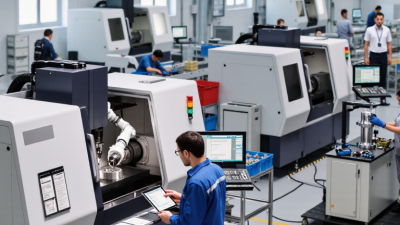
Artificial intelligence is increasingly used to forecast maintenance needs, inspect images for defects, and adjust production schedules. It supports decisions; it does not remove the need for skilled judgment. A digital twin can model a line change before equipment is moved, helping engineers test bottlenecks and energy use. Collaborative robots handle repetitive lifting or fastening, while workers supervise exceptions and quality. Safety still depends on task-specific risk assessment, not the robot’s label.
Additive manufacturing can produce fixtures, prototypes, and low-volume parts with less tooling, though material limits and finishing steps remain important. The less glamorous work is often decisive: clean machine data, compatible controls, staff training, and strong cybersecurity. Some factories still struggle to connect older equipment. That is a real constraint. A measured pilot, with baseline cycle times, scrap rates, and downtime, often reveals more than a sweeping technology promise. Teams should review results before scaling, especially when data gaps distort the picture.
How Smart Factories Connect Machines, Data, and Workers
What Are the Best Modern Manufacturing Solutions in 2026?
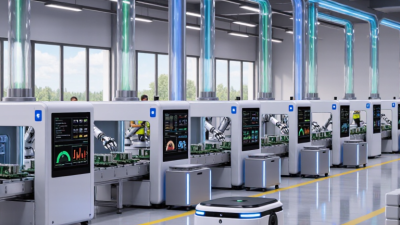
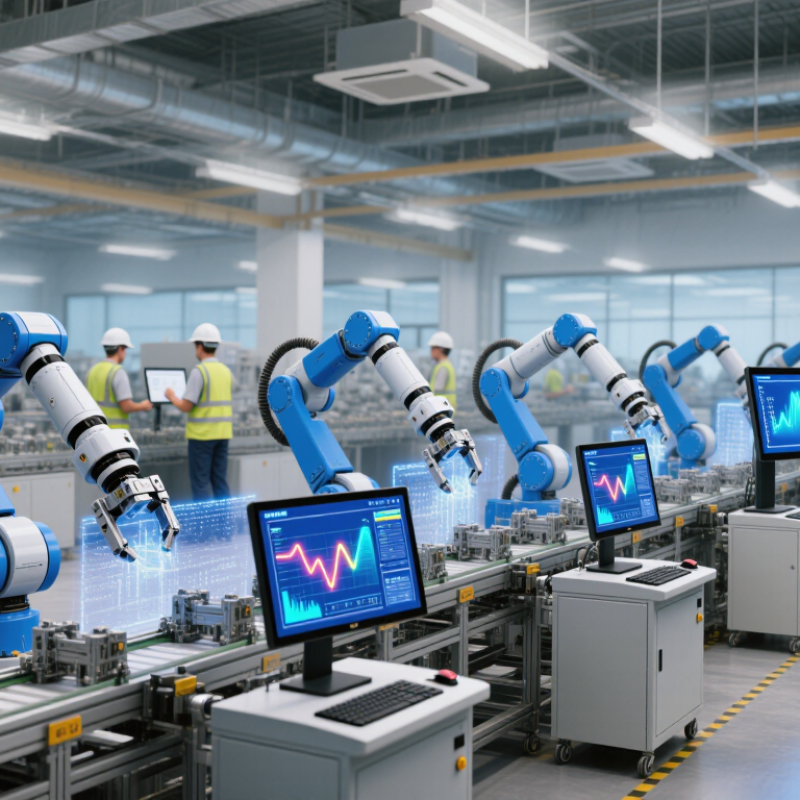
A smart factory connects machines, production data, and workers around the same process. Sensors can track motor temperature, vibration, and cycle time as parts move down a line. When a press begins vibrating more than usual, an alert can prompt a technician to inspect it before the next shift. Small clues matter.
Useful systems make those clues understandable. A shared dashboard might show the affected machine, recent maintenance notes, and current production orders. Operators can add context, such as a jam that cleared itself or a material batch that ran differently. This human input helps prevent an automated warning from becoming an unquestioned instruction.
The connection is not always smooth. Older equipment may produce incomplete data, and too many alerts can distract workers instead of helping them. Factories need clear access controls, dependable networks, and training that fits real shift routines. A technician should be able to question a prediction and record why it was wrong. That feedback can improve later decisions, but only if teams review it regularly. The goal is practical coordination: machines report conditions, software organizes evidence, and people decide what to do next.
Comparing Manufacturing Solutions by Industry and Use Case
Manufacturing solutions work best when matched to the production task, not chosen for novelty.
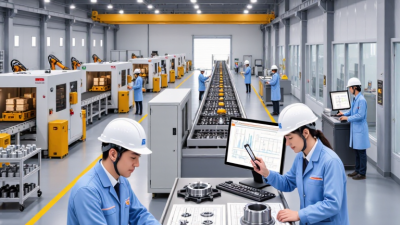
The International Federation of Robotics reported 541,302 industrial robots installed worldwide in 2023. Automotive plants often use robots for welding, painting, and heavy lifting. Electronics lines benefit from precise, repeatable assembly. Food producers may prioritize hygienic equipment, quick changeovers, and clear batch tracking. Fit matters.
For high-volume production, fixed automation can reduce cycle times and repetitive handling. For mixed products or frequent design changes, collaborative robots and modular cells may offer more flexibility. They still need careful workflow design; a robot beside a crowded bench solves little. Smaller manufacturers may gain more from sensors that flag machine vibration or temperature changes than from a full factory overhaul.
Energy use deserves equal attention.
The International Energy Agency’s Tracking Industry report estimates that industry accounted for 37% of global energy use and 24% of energy-related CO2 emissions in 2022. That makes efficient motors, heat recovery, and production scheduling relevant across sectors. But savings depend on the baseline. A cold-storage facility and a metalworking shop need different measurements, and software dashboards cannot fix poor maintenance by themselves. The numbers help frame choices, not make them.
How to Select and Implement the Right Manufacturing Solution
Selecting a manufacturing solution starts with a specific bottleneck, not a software catalogue. Track one production line for several weeks: record changeover time, unplanned stops, scrap, and manual data entry. Choose a system that fits existing equipment and can exchange data reliably. Ask operators to test the workflow at the workstation, where a delayed alarm or extra screen quickly becomes obvious. Keep it narrow.
A 2024 Deloitte and MAPI survey found manufacturers expected smart manufacturing initiatives to raise production output by 10–20%, employee productivity by 7–20%, and unlocked capacity by 10–15%. These are expectations, not guaranteed results. Use them as context, then set a local baseline and measurable pilot targets. Check integration costs, data access, staff training, maintenance needs, and cybersecurity before signing off. A low purchase price can hide expensive, ongoing work.
Implement the solution on one representative cell before expanding. Compare results against the baseline, and include night shifts and unusual product runs. Train operators with real tasks, such as reviewing a machine alert or correcting a mislabeled batch record. One honest caveat: pilots can look better than routine production. Review misses as carefully as wins, adjust the workflow, and scale only when the gains hold across shifts.
What Are the Best Modern Manufacturing Solutions in 2026?
Global industrial robot installations offer one useful indicator of automation demand when evaluating modern manufacturing solutions.
Installations rose from 373,000 in 2019 to 553,000 in 2022, then eased to 541,000 in 2023. Use this trend as context—not as a substitute for assessing your facility’s production needs, integration requirements, and expected returns.
Source: International Federation of Robotics, World Robotics 2024. Figures are annual global installations.
Evaluating Performance, Resilience, and Sustainability
Modern manufacturing solutions should be judged by what happens on the factory floor, not by how advanced a dashboard looks. Deloitte’s 2024 Manufacturing Industry Outlook found that 86% of surveyed executives expect smart factory solutions to drive competitiveness within five years. That signals strong interest, not guaranteed results. Sensors and predictive maintenance can help teams spot unusual vibration before a motor fails, but only when readings are reliable and workers can act on them.
Resilience depends on more than keeping machines running. A plant needs visibility into material availability, bottlenecks, and recovery time when a supplier misses a delivery. Digital models can test production changes before operators alter a live line. Still, a simulation is only as useful as its assumptions. I would question any system that promises certainty from incomplete data. That is not enough.
Sustainability belongs in the same performance review. The International Energy Agency estimates that industry accounts for about 37% of global final energy use, making efficiency improvements consequential. Track energy and material use per unit produced, alongside output and defect rates. A practical change might be adjusting compressed-air pressure after leak checks, then measuring the result over several shifts. Lower energy use can be valuable, but not if it increases scrap or slows critical orders. The trade-offs deserve regular review.