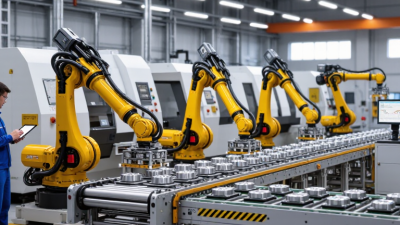
What Are Manufacturing Solutions and How Do They Work?
Manufacturing solutions bring together the processes, equipment, software, and expertise used to make products more reliably. They can include production planning systems, robotics, quality checks, and tools that track materials across a factory. A small workshop might use a digital schedule to reduce waiting between jobs. A larger plant may connect machines to collect production data in real time. The right approach depends on the product, workforce, budget, and existing equipment. There is no universal package.
In practice, a solution usually begins with understanding a specific production problem. Teams examine steps on the shop floor, review downtime records, and identify where defects or delays occur. They then select suitable changes, test them on a limited scale, and train employees before expanding. Clear measures—such as output, scrap rates, and equipment availability—help show whether the change is working. That is the promise. The details matter.
Technology alone rarely fixes a weak process. A sensor can flag a machine’s rising temperature, but people still need a sensible plan for responding. Integration with older equipment can also take more time than expected. Even useful data may be incomplete or difficult to interpret. Manufacturers should therefore check safety, maintenance needs, data quality, and employee feedback throughout implementation. Results should be reviewed over time, not assumed from a product demonstration. This guide explains what manufacturing solutions include, how they work together, and what to consider when choosing an approach. Some improvements are modest. They can still matter.
What Manufacturing Solutions Include
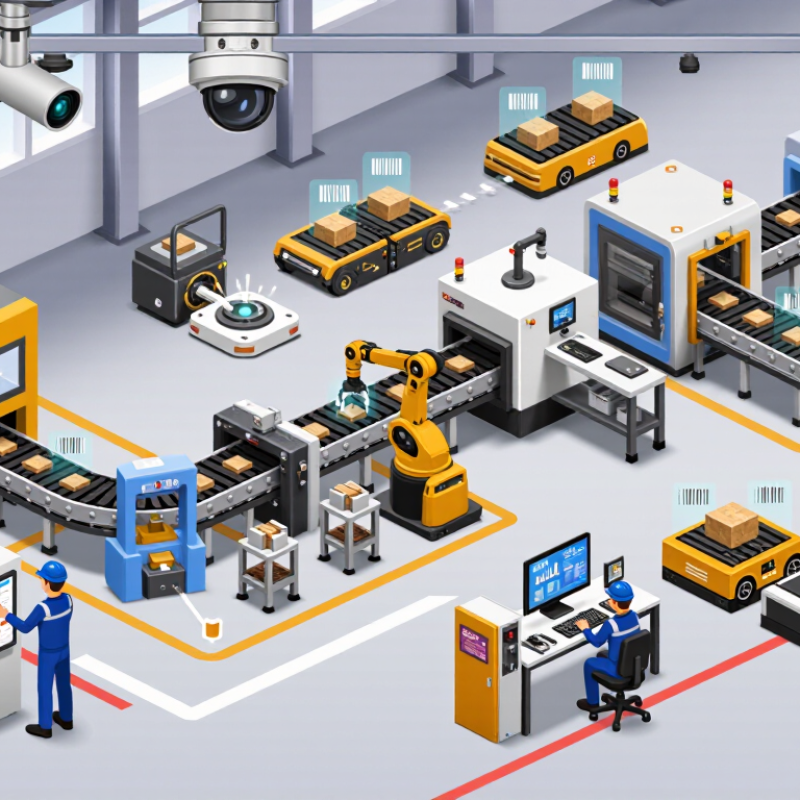
Manufacturing solutions combine the equipment, software, processes, and expertise needed to make products consistently. They can include production machines, sensors, scheduling tools, quality checks, maintenance plans, and staff training. The mix depends on the product and the factory. A small workshop may need a reliable work-order system more than a fully automated line.
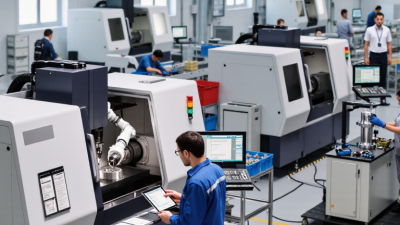
On the floor, these parts work together. A sensor can flag an unusual temperature, while production software records the stoppage and alerts a technician. Quality controls may use gauges or camera inspections to catch defects before parts are packed. Good records help teams trace where an issue began. That matters on Monday.
Solutions also cover the less visible work: planning material deliveries, setting up equipment, and reviewing how tasks move between stations. These details affect whether a line waits for parts or builds up unfinished goods. Managers can compare planned output with actual results and adjust schedules or maintenance. Numbers help, but they do not explain everything. A dashboard may show frequent delays without revealing that a tool is awkward to reach or training was rushed. Those observations require time on the floor, and they can change what the factory needs.
The Core Components of a Manufacturing Solution
What Are Manufacturing Solutions and How Do They Work?
The Core Components of a Manufacturing Solution
A manufacturing solution connects equipment, people, materials, and information to make production more predictable. It may include machines, work instructions, planning tools, quality checks, and maintenance routines. The exact mix depends on the product and the factory.
Equipment performs the physical work. Software can schedule jobs, record output, and flag delays, while sensors track details such as temperature or machine speed. Operators use this information alongside clear instructions. A dashboard is only useful when its readings match what workers see on the floor.
Materials and workflow matter just as much. A production plan should account for incoming parts, storage space, and the time needed at each station. Quality checks can catch a loose fitting or a measurement that drifts beyond tolerance. Small gaps remain. Data may be incomplete, and a process that works on one shift may struggle on another.
Maintenance keeps equipment available through inspections, planned servicing, and timely repairs. Teams also need training and a way to report problems without delay. These components work together, but they do not fix poor decisions by themselves. A factory should review results regularly and adjust its solution when products, staffing, or demand change. That review is easy to postpone.
How Manufacturing Solutions Work Step by Step
A manufacturing solution turns a production problem into a coordinated set of process, equipment, software, and workforce changes. The work starts on the factory floor: observe a shift, trace material from storage to packing, and record cycle time, defects, and machine downtime. Ask operators where delays occur. Their notes often reveal issues dashboards miss.
Next, set a measurable target and map the current workflow. A team might aim to reduce changeover time, then select tools such as machine sensors, digital scheduling, or automated inspection.
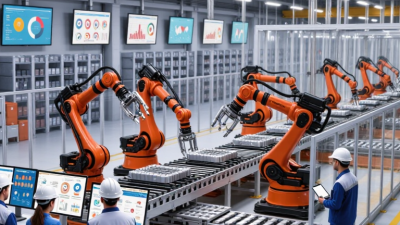
In World Robotics 2024, the International Federation of Robotics reported 541,302 industrial robots installed worldwide in 2023, with 4,281,585 operating in factories. That scale shows why automation matters, but a robot alone does not fix a poorly designed process.
Pilot the chosen changes on one line. Connect equipment data to production records, train workers on the new steps, and compare results with the baseline each week. Track practical measures: good units per hour, scrap rate, and unplanned stops. If the numbers worsen, investigate before expanding. That takes patience. Data can be incomplete, and early targets may be too optimistic. After adjustments, extend the solution to similar lines, while keeping operator feedback in the review. A tidy dashboard is useful; it is not proof that the process works.
Common Types of Manufacturing Solutions
Manufacturing solutions combine software, equipment, and operating methods to control how a factory plans, builds, and checks products. Common types include enterprise resource planning (ERP), manufacturing execution systems (MES), industrial automation, quality management, and predictive maintenance. ERP connects purchasing, inventory, and orders; MES tracks each job on the shop floor, often at machine level. That can show where a batch waits, which station is behind, and whether materials are running low. Automation handles repeatable tasks such as palletizing or precise screw fastening. Useful, but not magic. The International Federation of Robotics’ World Robotics 2024 report recorded 4,281,585 industrial robots operating worldwide in 2023, a 10% year-over-year increase. That figure shows automation’s scale, not that every plant needs robots.
Quality systems log inspection results, defects, and corrective actions; predictive-maintenance tools flag unusual vibration or heat before a motor fails. Supply-chain planning tools help match production schedules with supplier lead times and changing demand. Deloitte’s 2024 Smart Manufacturing Survey found that 92% of surveyed manufacturers expect smart manufacturing to drive competitiveness within three years. Yet sensor data can be noisy, and older equipment may lack reliable connections. I may be over-crediting software here: unclear work instructions still create defects, only faster. A practical start is one measurable bottleneck, such as rework at a packing line, followed by a review of results with operators.
Where Manufacturing Solutions Are Used
Manufacturing solutions are used wherever materials must become consistent, traceable products. In automotive and electronics plants, production software coordinates work orders, machines, and inspection records. A line supervisor can spot a stalled station on a live dashboard, rather than finding out at shift’s end. In food and pharmaceutical facilities, batch records and sensor alerts help teams monitor temperature, ingredients, and process steps.
They also matter in energy-intensive operations. The International Energy Agency’s Energy Technology Perspectives 2023 reports that industry accounts for about 37% of global energy use. Energy-monitoring systems can reveal when a furnace, compressor, or refrigeration unit consumes more than expected. It is not magic. A faulty sensor can still mislead operators, so measurements need regular checks and skilled interpretation.
For smaller factories, cloud production tools and machine sensors can help track downtime without replacing every piece of equipment. Deloitte’s 2024 Smart Manufacturing and Operations Survey found that 92% of surveyed manufacturers viewed smart manufacturing as a key competitiveness driver over the next three years. That ambition meets practical limits: older machines may not share data, and employees need time to learn new workflows. The fit matters. A useful solution should address a specific bottleneck, such as repeated defects or late orders, before adding more dashboards.