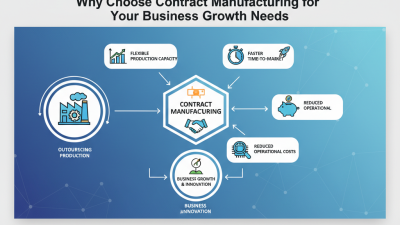
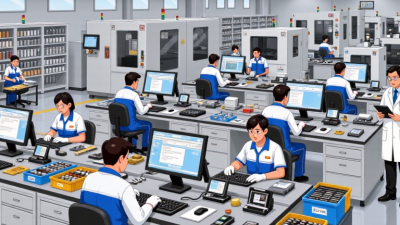
Global buyers often compare more than unit prices. They need dependable production, clear communication, and products that arrive as specified. State contract manufacturing offers a practical route for companies seeking an experienced production partner without building a new facility. The arrangement may cover sourcing, assembly, quality checks, packaging, and shipment coordination. Details matter. A sample inspection, a documented production schedule, and a clear point of contact can prevent small issues from growing.
For buyers serving several markets, the value depends on fit, not promises. A manufacturer should explain its capabilities, equipment, quality process, capacity, and limits in plain terms. Ask how it handles material changes, production delays, and corrective actions. Request relevant records and verify references where possible. A polished presentation is not proof. Nor is a low quote. State contract manufacturing may help control investment and scale output, but it does not remove the buyer’s responsibility to define specifications and monitor performance. Trade-offs in lead times, logistics, and day-to-day control deserve a closer look. This guide explores why global buyers consider state contract manufacturing, what evidence to review, and which questions can reveal whether a supplier is a reliable long-term match. The answer is rarely simple. Good decisions begin with specific requirements, realistic forecasts, and honest conversations about what each side can deliver.
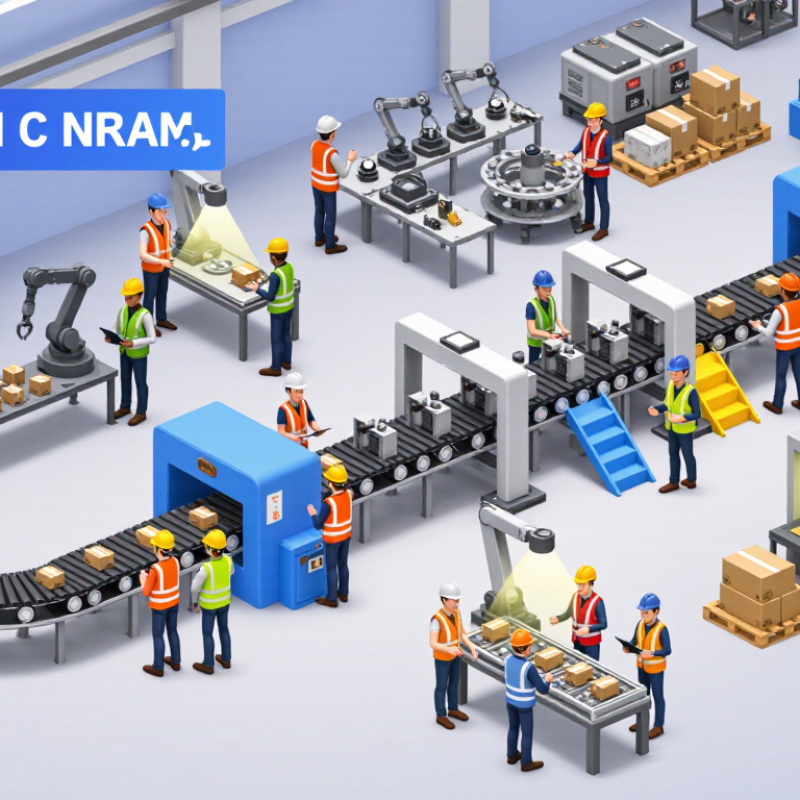
State contract manufacturing means a business hires an independent manufacturer in a particular state to make products to agreed specifications. The manufacturer supplies production capacity, equipment, and trained staff. The buyer typically defines the product design, materials, tolerances, and acceptance criteria. The exact division of responsibility depends on the contract. Terminology can vary, so buyers should confirm what “state” refers to in each discussion.
The arrangement can cover a full production run or a limited step, such as machining, assembly, or packaging. A useful agreement identifies who approves suppliers, handles design changes, inspects finished goods, and manages rejected batches. For example, a buyer might require measurements from each production lot and a clear record of material sources. Details matter. A polished sample does not prove that every batch will match it. Buyers should review production records and quality procedures, then check that delivery schedules and communication practices fit their needs. Some assumptions may still prove wrong once regular production begins. That is a reason to set review points and document changes, not to rely on informal promises.

What contract manufacturing means: a buyer hires an external manufacturer to produce goods under agreed specifications and terms.
A typical workflow moves from defining product requirements to production and delivery. The numbers show sequence only—not duration, market share, or survey results. Responsibilities and steps vary by agreement.
A contract manufacturing project usually begins with a product brief, drawings, target volumes, and quality requirements. The manufacturer reviews these details and identifies materials, equipment, production steps, and likely constraints. A sample or pilot run can reveal issues that a drawing may miss, such as a difficult assembly fit or inconsistent surface finish. Small details matter. A clear specification helps both teams judge whether the first sample meets expectations.
Once the sample is approved, the teams confirm production schedules, inspection points, packaging, and shipping arrangements. During manufacturing, documented checks can track dimensions, appearance, and batch records. Buyers should agree on how defects are reported and who approves changes before production continues. The process is not perfectly linear. A material delay or a failed inspection may require a revised schedule, and that can be frustrating. Regular updates, dated approvals, and traceable records help keep decisions visible from the factory floor to delivery.
Global buyers choose state contract manufacturing when they need a production partner with clear processes and accountable communication. A dependable team can translate drawings, material requirements, and packaging instructions into controlled work steps. That matters. Buyers should ask how incoming materials are checked, how production changes are approved, and how inspection records are stored. Specific answers are more useful than broad promises.
A well-managed facility may offer documented quality checks, sample runs, and production updates that help buyers plan around shipping dates. For example, a lot record can connect a finished shipment to its materials and inspection results. Video meetings and written reports also help when teams work across time zones. Still, the fit is not automatic. A supplier’s capacity, technical skills, and delivery schedule should be verified against the actual product and order volume. A lower quote can become costly if specifications are misunderstood or corrective work is needed. Buyers can reduce that risk by reviewing sample parts, confirming tolerances, and agreeing on how defects will be handled before full production begins. The paperwork can feel tedious. It also prevents avoidable surprises.
For global buyers, choosing a state-based contract manufacturer means checking more than quoted unit cost. Ask how the team controls incoming materials, production changes, and finished-goods inspection. Request sample inspection records and walk through a real production area, if possible. Look for clear work instructions, calibrated measuring tools, and traceable lot records. Small details matter. A mislabeled carton can delay an entire shipment.
Capacity should match your forecast, but verify it against equipment, staffing, and current commitments. Ask what happens when a machine goes down or a key material arrives late. A capable partner can explain its backup plan without promising that nothing will go wrong. Check how quickly it reports defects, schedule changes, and cost adjustments. Communication across time zones needs named contacts and written updates, not just reassuring calls. A pilot run helps test these habits before volume increases. Still, it may not reveal every issue. That is worth remembering. Compare lead times, payment terms, freight arrangements, and quality expectations side by side. The best fit is often the partner that gives specific evidence, admits limitations, and responds consistently when plans change.
| Evaluation Factor | What to Verify | Evidence to Request | Why It Matters to Global Buyers | Priority |
|---|---|---|---|---|
| Quality Management | Documented quality procedures, inspection controls, corrective-action processes, and traceability appropriate to the product. | Quality manual, process flow, sample inspection records, nonconformance and corrective-action examples, and audit results. | Consistent controls help reduce defects, rework, returns, and quality variation across production runs. | Essential |
| Regulatory and Product Compliance | Applicable product, material, safety, labeling, and market-entry requirements for the destination countries. | Relevant certificates or test reports, material declarations, compliance procedures, and a clear explanation of which party holds each responsibility. | Requirements differ by product and market. Buyers need to confirm that products and documentation meet the rules applicable to their intended sales destinations. | Essential |
| Production Capacity and Flexibility | Available equipment, current utilization, staffing, shift patterns, lead times, and ability to handle demand changes. | Capacity plan, production schedule assumptions, bottleneck analysis, ramp-up plan, and contingency arrangements. | Verified capacity helps buyers assess whether the manufacturer can meet forecast volumes and manage peaks without compromising quality or delivery. | High |
| Total Cost Transparency | Quoted costs, tooling and setup charges, packaging, inspection, freight assumptions, payment terms, and potential cost changes. | Itemized quotation, stated inclusions and exclusions, tooling ownership terms, and written assumptions for pricing and delivery. | A comparable cost breakdown helps buyers evaluate total procurement cost rather than relying on unit price alone. | High |
| Supply Chain Resilience | Critical material sources, supplier qualification, inventory approach, alternate sourcing options, and disruption response procedures. | Supply-chain map for critical inputs, sourcing and escalation procedures, risk assessment, and continuity plan. | Visibility into upstream dependencies helps buyers assess exposure to shortages, transport disruption, and extended replenishment times. | High |
| Engineering and Process Capability | Ability to review product requirements, develop or refine manufacturing processes, and manage engineering changes. | Examples of process documentation, prototype or pilot workflow, change-control procedure, and responsibilities for design approvals. | Early technical alignment can identify manufacturability issues before they affect production schedules, cost, or product conformity. | High |
| Intellectual Property and Confidentiality | Controls for drawings, specifications, tooling, access to customer information, and handling of confidential materials. | Confidentiality and IP terms, access-control practices, document-handling procedures, and written tooling ownership provisions. | Clear contractual terms and practical controls help protect proprietary information and clarify ownership throughout the relationship. | High |
| Delivery and Export Readiness | Order planning, packaging, export documentation responsibilities, shipping coordination, and communication of delivery changes. | Order-to-shipment workflow, sample shipping documents where appropriate, packaging specifications, and delivery escalation process. | Defined handoffs and documentation reduce avoidable delays and help buyers coordinate inbound logistics and receiving operations. | High |
| Communication and Account Management | Named points of contact, reporting cadence, time-zone coverage, issue escalation, and working-language requirements. | Proposed communication plan, escalation contacts, sample status report, and response-time expectations agreed by both parties. | Reliable, documented communication makes it easier to resolve issues and coordinate decisions across locations and time zones. | Medium–High |
| Environmental and Social Practices | Relevant environmental permits, waste and resource controls, workplace safety practices, and supplier conduct expectations. | Applicable permits, policy documents, audit information, and records that support the buyer’s responsible-sourcing requirements. | Documented practices help buyers evaluate operational risks and meet applicable internal or customer requirements. | Medium–High |
Evaluation method: Compare potential partners against the same requirements, verify claims with records or site assessments, and document any gaps, owners, and corrective actions before production approval.
Cross-border manufacturing adds more than freight cost. Buyers must manage longer lead times, customs documentation, currency shifts, and uneven supplier visibility. The World Bank’s 2023 Logistics Performance Index found that a container takes an average of 44 days to travel from export-port entry to departure from its destination port. That average can hide painful variation. A delayed component may leave an assembly line waiting, even when most shipments arrive on schedule. Small buffers matter.
Disruptions can also reshape routes quickly. UNCTAD reported in 2024 that weekly container-ship transits through the Suez Canal had fallen 67% from their peak amid Red Sea disruption. For buyers, this can mean rerouted cargo, higher insurance costs, and revised delivery dates. There is a less visible risk: production records, inspection results, and change approvals may not travel as clearly as the parts themselves. A drawing updated in one country can be missed at a distant factory. It happens. State contract manufacturing can reduce some coordination gaps when roles, quality checks, and escalation steps are agreed in writing. Still, audits and clear reporting do not eliminate risk; they make problems easier to spot before a shipment is already at sea.